
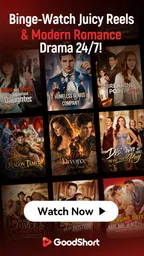





GoodShort - Short Dramas Hub review
 Analysis by Appsdrops
I can see the appeal of GoodShort within a few minutes: it turns romance and other dramatic stories into short video episodes that fit into the gaps in a day. Rather than asking me to settle in for a full-length film, it offers a steady stream of compact scenes with cliffhangers designed to make the next tap tempting. That makes it easy to try, though the more important question is whether the format keeps earning a place in my routine once the initial curiosity wears off.
It is an entertainment app from GoodNovel, free to install, with a Teen content rating. The audience response is substantial: it has a 4.7 average from around 4.6 million ratings and more than 50 million installs. Those numbers suggest that the short-drama format has found plenty of viewers, but they do not guarantee every story will suit your taste. I’d treat it as a focused option for people who enjoy quick, serialized fiction rather than as a replacement for every kind of streaming or reading.
Why the first few sessions feel easy
The format is the main draw. Episodes are built to deliver a piece of a story quickly, so I can watch one while waiting for food, taking a short break, or winding down before bed. The brief runtime also lowers the commitment barrier: I don’t need to remember where I left off in a long film or set aside a whole evening just to see whether a premise works for me.
Romance is central to the app’s pitch, and that gives the experience a clear identity. If I’m in the mood for emotional turns, relationship tension, and serial storytelling, short dramas are a natural fit. A single scene can establish a conflict, introduce a reveal, or leave a character at a decision point. The result is more like watching a story unfold in installments than browsing a conventional library of standalone films.
That pace is also the first trade-off. Cliffhangers make it easy to continue, but they can make a story feel engineered around the next episode rather than around a satisfying scene. I would not open the app expecting the measured build-up or visual polish of a feature film. It works best when I want quick emotional momentum and am happy to accept a more compressed style.
For a realistic everyday use, imagine having ten minutes between errands. I can watch a short installment without needing headphones for a full movie-length session or a quiet stretch of free time. If I’m interrupted, the episodic structure gives me a natural stopping point. The same convenience can work against me, though: one cliffhanger can turn a planned short break into several episodes if I’m not paying attention to the clock.
Choosing it over familiar entertainment
Compared with mainstream video services, GoodShort is a narrower choice. A large streaming platform is generally better when I want a broad mix of genres, longer productions, or a complete film in one sitting. GoodShort makes more sense when I specifically want a fast, serialized drama and don’t mind that stories are divided into small pieces.
It also differs from reading romance on an e-book or serialized-fiction app. Reading lets me control the pace and imagine the characters’ voices; short dramas put the story on screen, which can make emotional exchanges immediate and easy to follow while I’m tired. The cost of that immediacy is less control over pacing and a more passive experience. If I like lingering over prose, this may not satisfy me as well as a book.
For someone who already watches short-form video, the key distinction is that the draw here is narrative continuity, not simply a succession of unrelated clips. I’d use it when I want a story with recurring characters and a next episode to return to. If I’m only looking for a few funny or informative clips, a general short-video feed is likely a better match.
What keeps it useful after the novelty
The lasting value depends less on the novelty of vertical, bite-sized storytelling and more on whether I find stories I want to follow. A useful way to test that is to sample a few different premises rather than judging the whole app by the first drama that catches my eye. If one style doesn’t click, another may; if the recurring cliffhanger rhythm itself starts to feel repetitive, switching titles may not solve the underlying issue.
I’d also treat the app as a mood-specific habit rather than a daily obligation. Short installments are convenient precisely because they can fill spare moments, but that does not mean every spare moment needs a story. Keeping it for a commute break or a quiet evening gives it a clear role. If I start opening it automatically and then feel unsatisfied by the time spent, that is a sign to step back rather than chase the next episode.
One practical tip is to decide in advance how long I want to watch. The format is built around continuation, so a small time boundary helps preserve the convenience that makes it attractive. Another is to stop after a complete emotional beat when possible, rather than immediately following every cliffhanger. That makes it easier to remember a story without letting the app dictate the length of a session.
The free download makes it easy to try without paying upfront, but in-app purchases range from $0.99 to $299.99 per item. That range is worth taking seriously. I would explore the experience with spending turned into a conscious decision: check the purchase prompt before tapping through, and don’t assume that every story or episode will be available at no extra cost. If you prefer entertainment with a predictable all-in subscription or a one-time purchase, this payment structure may feel less comfortable.
The recurring costs of attention and upkeep
There is little conventional maintenance to describe beyond keeping the app current. Version 3.2.7.2127 supports Android 7.0 and later, so people on older Android devices should check their system version before trying it. The more meaningful upkeep is personal: keeping track of ongoing stories, choosing what to continue, and deciding whether purchases fit your budget. With episodic entertainment, a growing list of unfinished dramas can turn a relaxing app into another queue to manage.
I find it helpful to be selective. Rather than treating every appealing thumbnail as a commitment, I’d start one story at a time and see whether its tone and pacing hold my attention. That avoids scattering attention across several cliffhanger-driven plots. It also makes it easier to tell whether I genuinely enjoy the storytelling or am simply responding to the urge to see what happens next.
The app’s 3.2.7.2127 version number is useful for identifying the release installed, but it does not by itself tell me how often I’ll want to return. That depends on the variety of stories that appeal to me and the role I want entertainment to play. I would keep it updated through the app store and review purchase choices with the same care I use for any entertainment app with optional spending.
Where fatigue can set in
The main risk is repetition. Serialized romance can be absorbing, but a steady diet of intense turns and unresolved endings may start to feel like the same emotional pattern in different packaging. This is especially true if I watch several episodes back-to-back. Taking a break or alternating with a complete film, a book, or a different genre can make the format feel fresh again.
Another limitation is that short episodes are not automatically convenient for everyone. If I prefer to finish a story in a single sitting, frequent stopping points can be frustrating. If I watch in noisy places, dialogue-heavy scenes may be harder to follow without giving the screen more attention. And if I want substantial character development at a slower pace, compact installments may feel rushed.
The Teen rating is a useful signal for families considering the app, but I would still make viewing decisions based on the individual viewer and the stories they choose. A broad age label cannot tell me whether a particular romance or dramatic conflict is a good fit for every teenager. For younger viewers, I’d take time to understand what they are watching and how in-app purchases are handled on the device.
It is also worth asking whether the app’s spending model suits your habits. The listed purchase range reaches $299.99 per item, so I would not rely on a vague intention to “be careful” if impulse purchases are a concern. Review the purchase settings available on your device and pause at checkout screens. If you want a service where the total cost is simple to predict, another entertainment option may be a better choice.
Who should make room for it
I’d recommend giving GoodShort a try if you enjoy romance-led stories, like episodic cliffhangers, and often have short pockets of downtime. It can be a convenient companion for a lunch break or a quiet stretch before bed, especially when a full movie feels like too much commitment. Its large audience and 4.7 average rating show that many users enjoy the format, although personal taste in story pacing matters more than popularity.
I’d skip it, or keep it as an occasional extra, if you dislike cliffhangers, want a broad library of long-form films, or prefer reading at your own pace. It is also not the best fit if unpredictable optional purchases would make the experience stressful. In those cases, a book, a conventional streaming service, or free short-form video may better match what you want from entertainment.
My long-term verdict is that GoodShort earns a place when I use it deliberately: a few short stories that fit real breaks, not an endless default feed. The novelty of bite-sized drama can wear off, and the serial format can encourage longer sessions than planned. But for viewers who specifically want compact, continuing romance stories and are comfortable managing optional spending, it offers a distinct kind of easy entertainment. I’d install it, sample carefully, and keep it only if the stories—not just the cliffhangers—make me want to return.
What we like
- Episodes are short enough for quick viewing breaks.
- A broad catalog offers several drama genres.
- New stories can make the catalog feel fresh.
- Portrait video suits one-handed phone viewing.
- Episode previews help set expectations before watching.
What could be better
- Some series end on cliffhangers that require another episode.
- The catalog may vary by region.
- Subtitles may not be available for every title.
- Frequent episode releases can make story pacing feel slow.
- Video streaming can use substantial mobile data.





