


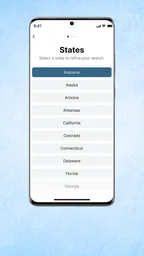

Foreclosure Home Search review
 Analysis by Appsdrops
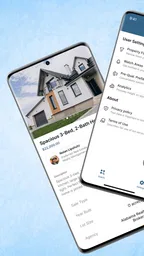
When I look for a home, I want more than a broad search box: I want a practical way to spot properties that may call for extra research before I spend time arranging a viewing. Foreclosure Home Search is built around that narrower starting point. It is a free home-search app from Heavy Hammer, aimed at people exploring foreclosure listings and homes for sale in their area.
That focus is useful, but it also sets expectations. I see this as a discovery tool rather than a complete home-buying service. Its value depends on whether foreclosure properties are relevant to your search and whether you are willing to verify promising leads before making decisions. The app is rated for Everyone, so its subject matter is real estate rather than specialized professional software, but the buying process it touches still deserves careful judgment.
What free access is worth
The app is free to download, which makes it easy to try without committing money just to see whether its foreclosure-search approach suits you. That is the clearest cost fact I can rely on. I would not treat “free” as proof that every part of a property search is covered or that a listing is ready for a purchase; it simply means the app itself has no stated purchase price here.
For a first pass through a local market, free access can be meaningful. You can use the app as one research stop, then decide whether its results are relevant enough to keep in your routine. That is a lower-risk proposition than paying upfront for a service before you know whether foreclosure opportunities exist in the places you care about.
The app has an average rating of 3.8 from around 4,800 ratings, with about 1,500 written reviews. It has passed one million installs, which suggests a sizable audience has tried it, but those figures are context, not a guarantee that it will fit your needs or that each listing will suit your situation.
How it can help with a real home search
The most useful way to approach Foreclosure Home Search is as a lead-finding tool. If I were comparing areas, I would use it to see whether foreclosure homes are worth adding to my wider search, then investigate individual properties through appropriate channels before making plans around them. That separation matters: finding a possible lead is not the same as confirming its condition, status, or suitability.
Imagine you are considering a move and have a few neighborhoods in mind. You could check for foreclosure opportunities in the area, note any properties that seem worth a closer look, and compare those leads with ordinary homes you find elsewhere. Rather than assuming a lower price or a quick purchase, I would use the result to create questions: Is the property still available? What condition is it in? What would I need to learn before arranging a viewing? That workflow turns a search result into a starting point, not a conclusion.
A less obvious benefit of a dedicated foreclosure search is that it can help you decide where not to spend effort. If your preferred area produces few relevant leads, you can shift attention to a nearby location or return to conventional home listings. If you do find candidates, you can reserve time for the extra checks that this kind of search warrants. Either way, the app can help organize your early exploration without replacing due diligence.
I would also keep a simple comparison note outside the search itself: the property, the area, the source, and the questions still open. That is particularly useful when you are looking at several homes across different neighborhoods. A shortlist based only on attractive photos or a promising headline can be misleading; a shortlist that records what remains unverified is more useful when you talk with an agent or other qualified professional.
Where the focused approach has limits
A foreclosure-only angle is not the same as a broad real-estate search. If you want to compare the full range of available homes, including ordinary listings, you will likely want a general property app or other established listing sources alongside this one. The focused search may be relevant for a particular strategy, but it should not be your only window onto a housing market.
Foreclosure properties can also demand more investigation than a typical casual browse suggests. A listing can prompt interest without answering the practical questions that determine whether a home is a realistic option. I would never infer from an app result alone that a home is currently available, in good condition, priced attractively, or straightforward to buy. Confirm the details independently before budgeting, traveling, or making a commitment.
Another trade-off is that a specialized search has less value if your priorities are settled elsewhere. If you are looking for a move-in-ready home, need a particular feature, or want a broad comparison of homes in a price range, a conventional search service may be the better first stop. This app is most compelling when foreclosure opportunities are a deliberate part of your search, not when you simply want every possible property in one place.
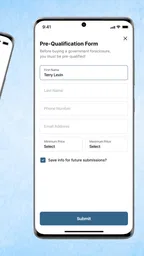
I would be cautious about treating any search app as an authority on the buying process. The app can help surface possibilities, but decisions about financing, legal details, inspections, and the property’s current status call for confirmation from the relevant sources and professionals. That is not a flaw unique to this app; it is a sensible boundary for any property-discovery tool.
Who is most likely to get value
I would recommend trying it if you are actively researching foreclosure homes and want a dedicated place to begin finding leads. It may also suit a buyer who is still deciding whether this route belongs in their search at all: free access lets you test whether the local results are useful before building a larger process around them.
It is less suited to someone who expects a one-stop platform for every stage of buying a home. A first-time buyer who is unfamiliar with foreclosure transactions should be especially careful not to confuse finding a listing with understanding the risks or next steps. I would pair the app with broad-market comparisons and independent advice, rather than relying on it to answer questions that go beyond discovering homes.
People browsing casually may also get little from its narrower purpose. If you are only collecting inspiration or comparing everyday listings, a general real-estate app is likely to provide a more natural fit. In contrast, a buyer who has already decided to include foreclosures can use this app as a focused supplement and judge its usefulness by the quality of leads they can verify.
The app is currently at version 2.5.25 and requires Android 7.0 or later. It was released on June 27, 2017, and its continued presence in the home-search category gives it a clear purpose, but I would still check that it runs well on your device and that its current results are helpful in your area before depending on it. Those are practical checks, not reasons to assume that an older release date makes the app unusable.
My verdict on trying it
For a buyer who specifically wants to explore foreclosure homes, I think Foreclosure Home Search is worth a trial because it costs nothing to download and gives the search a clear focus. The value is in discovering leads and deciding what deserves further investigation, not in treating the app as proof that a property is a bargain or a safe purchase.
I would skip it as my primary home-search tool if I needed comprehensive coverage of ordinary listings, or if I expected the app alone to handle the checks involved in buying a foreclosure. Used alongside broader property sources and careful verification, it can play a sensible supporting role. If the results in your area do not produce leads you can confirm, there is little reason to keep it at the center of your search.
Heavy Hammer’s app is best approached with a curious but cautious mindset: use it to find possibilities, compare them with the wider market, and verify each detail before acting. That makes its free access a useful way to explore a specialized corner of home buying, while keeping the final decision firmly grounded in research beyond the search screen.
What we like
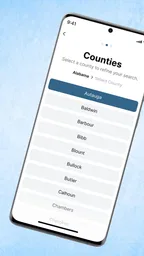
- Search listings by location to focus on a preferred area.
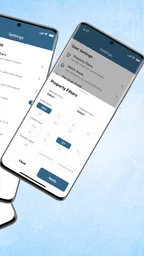
- Filters help narrow results to homes that match your criteria.
- Property details can make comparing listings more convenient.
- A dedicated foreclosure focus helps surface relevant opportunities.
- Useful for buyers researching alternatives to traditional home sales.
What could be better
- Listing availability may vary by location.
- Some property information may be incomplete or outdated.
- Foreclosure purchases can involve complex legal steps.
- Listings may require substantial repairs or renovation.
- The app may not cover every foreclosure property in your area.





