




DAZN - Watch Live Sports review
 Analysis by Appsdrops
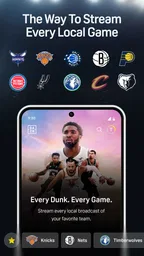
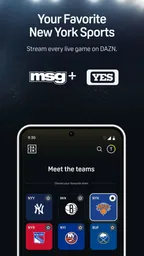
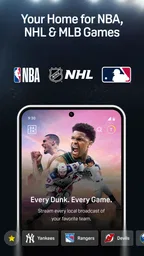
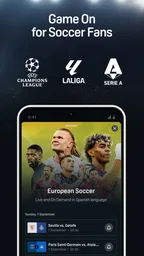
I think of DAZN as a sports-viewing hub for people who follow more than one competition and want live events alongside replays and other on-demand coverage. Its mix spans basketball, hockey, baseball, boxing, soccer and FIFA+, so it can be useful when my viewing habits shift from one sport to another. The important qualification is that having a sport in the app does not mean every event is available to every viewer: what I can watch depends on the competition and the rights that apply where I am.
One app for a varied sports routine
DAZN is a free-to-download sports app from developer DAZN, but I would not confuse that with free access to all the sports video inside it. In-app purchases range from $0.29 to $749.99 per item, a very broad spread that makes checking the specific offer in the app store essential before committing. I would first look for the event or competition I actually want to follow, then inspect the terms attached to that viewing option rather than assuming that a download includes a season or a particular match.
The app has an average rating of 4.4 from around 670,000 ratings, and it has passed 50 million installs. Those figures suggest it has reached a large audience, but they do not tell me whether its selection fits an individual fan. A person who mainly wants one local team may be better served by a service focused on that team or league. DAZN makes more sense to me when a household follows several kinds of sport, or when boxing and soccer sit alongside regular league viewing.
Its broad catalogue is also a practical trade-off. A wide choice is valuable if I want to switch between an NBA game, a boxing event and soccer coverage without treating each as a separate destination. But breadth can make the app feel less straightforward than a single-league service: before settling in, I need to confirm that the exact event I have in mind is available in my region and under the viewing option I intend to use.
How live and on-demand viewing fit together
The combination of live and on-demand sports is the most useful idea behind DAZN. Live viewing suits the events I want to follow as they happen; on-demand access is a better fit when work, travel or family plans make the broadcast time inconvenient. That flexibility is especially helpful for sports with long schedules, because I can build viewing around my day rather than treating every event as an appointment.
In practice, I would use the app differently depending on the event. For a game I care about, I would check availability before it begins, then open the app early enough to avoid making setup part of the opening minutes. For a less essential event, I would decide afterward whether catching up is worth the time. That small distinction helps me avoid scrolling through a crowded sports menu when I have only a short break.
A realistic use case is a weekday evening when I cannot watch a live match from the start. I can check whether the event is available on demand, then choose between watching later and following something live that fits the time I have. I would not assume that every live event necessarily has the same replay arrangement, though. If a particular match matters, it is sensible to inspect its page and the available viewing choices before relying on a later catch-up.
What the app's history tells me—and what it does not
DAZN was released on June 22, 2018, and the app supports Android 7.0 and later. That gives the product an established history rather than the feel of a newly launched experiment, while the minimum Android requirement leaves older devices outside the supported range. I would check my device’s system version before troubleshooting a download problem; if it is below Android 7.0, upgrading the operating system or using another supported device is the practical first step.
The release date is a useful marker, but it is not evidence of a particular feature change or redesign. I cannot responsibly treat the app’s current sports mix as proof that a specific capability was added in a specific update. What matters to an existing user is the current experience: whether the event they follow appears, whether the viewing option suits their schedule, and whether the app remains usable on their device.
For someone returning after time away, I would approach the catalogue as something to recheck rather than assume it is unchanged. Sports rights and regional availability can shape what a viewer sees, so a fan should verify their competition in the app before building a routine around it. That is more useful than relying on old expectations or on the idea that a large service necessarily carries every event that matters to them.
Choosing the right viewing option
The price range for in-app purchases is wide enough that I would treat each purchase as a separate decision, not as a hint that one standard subscription fits everyone. Before paying, I would read what the offer covers, how long access lasts if that is stated, and whether it includes the specific event or competition I want. I would also check renewal and cancellation terms shown during checkout, so I understand the commitment before confirming it.
This is where DAZN differs from a conventional free sports-news app. A news app can be enough for scores, headlines and quick updates; DAZN is for people who want video coverage and are prepared to assess the cost of the viewing they need. If my main interest is simply knowing the result, paying for video access would be unnecessary. If I regularly watch several sports, paying may be easier to justify, but only after I confirm that the relevant content is included in the offer available to me.
For occasional viewers, a one-off event purchase may be more sensible than paying for ongoing access, if that option is offered for the event in question. For regular followers, a longer-term offer may be worth comparing, but I would not choose one just because it appears alongside a live event. The useful question is not which offer looks largest or most prominent; it is how often I will actually watch the content it covers.
Where the experience can fall short
The biggest limitation is that a broad sports identity can create expectations the actual catalogue may not meet. A fan who downloads the app for one team or a particular competition could discover that the relevant coverage is unavailable in their location or requires a purchase that does not suit their budget. I would check that specific case first, rather than downloading on the assumption that the app’s list of sports guarantees access to every match.
Cost is another real friction point. The app itself is free, yet the purchase range extends from small amounts to very high-priced items. That makes the checkout details more important than the download button: I would pause to confirm whether I am buying access to one event, a broader package or something else. Anyone who dislikes navigating paid sports access, or who only watches a couple of events a year, may find a free broadcaster’s coverage or a focused alternative easier to live with.
There is also a difference between having content available and having the right content easy to find. A fan who follows several sports may welcome the variety, while someone who only wants one competition may prefer a dedicated league app with a narrower purpose. I would give DAZN a fair trial by searching for the exact team, event or competition I care about first. If those results are not clear or the available purchase does not match my needs, there is little reason to keep browsing.
Who I would recommend it to
I would recommend DAZN to sports fans who value a single place to explore different kinds of coverage and who are comfortable checking availability and purchase terms before watching. Boxing followers, soccer viewers, and people interested in the listed North American leagues may find the range appealing, particularly when their schedules make on-demand viewing useful. Its Teen content rating is also a practical reminder that the app is aimed at teen and older audiences, not specifically designed as a young child’s sports destination.
I would be more cautious about recommending it to someone with a strict budget, a single must-watch team, or no interest in paid video. In those cases, a local broadcaster, a league-focused service or a free scores app may be a better match. The best alternative depends on the priority: reliable access to one competition, low-cost highlights, or broad live viewing. DAZN’s value is strongest when its actual local selection overlaps with several of a viewer’s interests.
For households sharing a device, I would also make the viewing plan explicit before buying anything. Decide which competitions matter, check whether each is available, and compare the purchase options against how often the family will watch. This avoids paying for a broad offer that sounds appealing but turns out to serve only one person’s occasional event. It is a simple check, but it makes a much better basis for a decision than the app’s overall popularity.
My verdict and what I would check next
Overall, DAZN is most compelling as a flexible sports-video destination rather than a universal pass to every match. Its mix of live and on-demand viewing can fit around an unpredictable schedule, and its coverage spans enough sports to reward fans with varied interests. The counterweight is that availability and purchase details need personal checking; the app’s breadth does not remove the need to verify the event that matters to me.
Before installing, I would check that my Android device runs version 7.0 or newer. Then I would search for my exact competition, confirm the event’s viewing choices, and review the price and terms shown before making a purchase. The app is rated for Teens, is free to download, and has in-app purchases, so those details deserve attention alongside the sports catalogue rather than after I have already settled on a plan.
My recommendation is conditional but positive: if I follow multiple sports and want live viewing with an on-demand option for busy days, DAZN is worth exploring. If I only need scores, want one specific team, or do not want to compare paid offers, I would look at a narrower or free alternative first. For existing users, the sensible habit is to recheck the availability and terms for the next event they care about. That keeps expectations grounded in what they can actually watch, while leaving room to benefit from the app when its selection lines up with their interests.
What we like
- One subscription gives access to a broad selection of live sports.
- Replays let viewers catch up after a match has ended.
- Highlights make it easy to revisit key moments.
- Supported devices include many smart TVs and streaming players.
- A watchlist helps keep track of upcoming events.
What could be better
- Sports and events vary by country due to broadcast rights.
- Some major matches may require an extra purchase.
- Live streams can lag behind real-time scores.
- Video quality depends on connection speed and stability.
- A paid subscription is needed for most content.




