




CrownCards - Trading Cards review
 Analysis by Appsdrops
I like the idea behind CrownCards: a trading-card app where the digital pull can connect to a physical card you choose to have shipped home. That makes it more tangible than a collection game built entirely around screens. But collecting also involves personal choices about accounts, purchases, and sharing information, so I’d approach it with curiosity rather than assuming the experience is automatically straightforward. My view is that CrownCards is most appealing when you understand what you want from a card before you start chasing the next one.
What makes a digital pull feel different
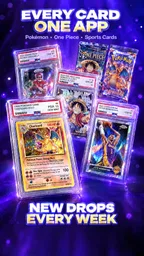
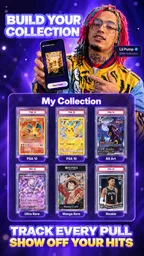
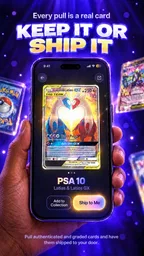
CrownCards is an entertainment app from CrownCards, and its central appeal is the bridge between digital collecting and owning a real trading card. I find that distinction important. A digital collection is easy to browse and keep organized, while a physical card has the familiar appeal of holding it, displaying it, or adding it to a binder. The option to connect the two gives the app a clearer purpose than simply filling a screen with collectibles.
That same combination calls for a little more thought than a conventional card-collecting game. When an item can become a physical delivery, the decision is no longer only about whether a card looks good in a collection. You may also care about the condition of the card, the details of delivery, and whether the total commitment makes sense to you. I’d treat each pull as a collecting choice, not as a reason to keep going automatically.
The app is free to download, but that should not be confused with every possible collecting action being free. Before committing to anything that involves a real item, I would read the in-app terms and any displayed costs carefully. That simple habit is especially useful for anyone who usually taps through game screens quickly and only checks the details afterward.
Trust starts with what you can actually see
Trust in a collecting app is not something I’d judge from a polished presentation or a large audience alone. I look for clear choices at the moments that matter: what I’m agreeing to, what information I’m asked to provide, and what happens when I choose a physical card rather than keeping it digital. CrownCards’ premise makes those moments worth checking because the experience can move beyond the app itself.
I would not assume anything about permissions, data handling, or account controls without seeing the relevant screens and settings directly. A practical first session is to notice what the app requests, read the wording before accepting, and explore account settings before building a collection. If a prompt asks for information that seems unrelated to a choice you’re making, pause and decide whether you’re comfortable proceeding.
The app has an average rating of 4.5 from around 22,000 ratings, with roughly 2,500 written reviews. Those figures can help indicate that many people have tried it, but they don’t answer individual questions about shipping, privacy, card condition, or support. I’d use other collectors’ comments as prompts for what to investigate, not as a substitute for checking the terms and choices shown in the app.
Make the first session an inspection, not a buying sprint
My preferred way to try a card app is to separate browsing from commitment. First, I’d look around and learn how digital collecting is presented. Then I’d check what the app explains before any action that could lead to a physical shipment. This small pause helps distinguish the fun of seeing a card from the separate decision to acquire or send it.
A useful question to ask yourself is whether you’d still be pleased with a card if it stayed digital. If the answer is no, take more time to understand the physical option before making a choice. If the answer is yes, the digital collection can be enjoyable on its own terms, without pressure to turn every interesting pull into a delivery.
This is also where I’d pay attention to account controls. Before collecting seriously, find out what options the app visibly provides for managing your account and review them at a calm moment. Knowing where those controls are is more useful than searching for them only after you have a problem or have shared information you later wish you had kept private.
The moments when personal information matters
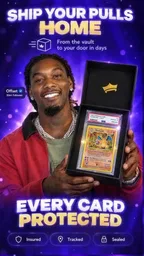
The most sensitive point in CrownCards is the transition from a digital item to a real-world delivery. Shipping a physical object normally requires practical delivery details, so I would expect that stage to deserve more attention than ordinary browsing. Read the delivery information carefully, check that the details you enter are necessary for the action you want, and avoid entering them until you have decided that shipping is worthwhile.
I’d also be deliberate about using the app in shared spaces. A quick look at a collection on your own phone is different from letting someone else browse while your account is open. If you hand over your device to show a card, stay nearby and avoid leaving account or delivery screens visible. That is a simple everyday precaution, not a claim about a particular security feature.
For a realistic example, imagine checking the app during a commute and spotting a card you like. I would save the decision for later rather than entering delivery details in a hurry, especially on a public connection or while distracted. At home, I could review the card, read the relevant terms, and make a considered choice. The extra pause is worthwhile whenever the action involves personal details or a physical item.
There is another practical trade-off: digital convenience can make collecting feel frictionless, while physical ownership introduces delivery and storage considerations. If you live in a place where receiving parcels is inconvenient, or you simply do not want to share delivery details with an app-based service, keeping your interest to digital collecting—or choosing a traditional local card shop—may suit you better.
How it compares with familiar ways to collect
Compared with a standard digital card game, CrownCards has a more material goal: a digital pull may connect to a real card. That is a meaningful difference for collectors who enjoy physical binders or want something they can handle away from a screen. The trade-off is that a digital-first experience is usually simpler to keep entirely online, while a physical option calls for additional decisions and care.
Compared with buying singles from a local shop or a conventional marketplace, an app-based pull may feel more playful and surprising. But it is less direct if you already know exactly which card you want. When certainty matters—say, you need a specific card to complete a set—I’d favor a route where the exact item is selected before purchase. CrownCards makes more sense for someone who enjoys discovery and is comfortable treating the outcome as part of the experience.
It also differs from browsing a physical shop because you cannot inspect a card in person before making a digital choice. That matters to collectors who are especially particular about condition or presentation. I would not assume that a screen view tells the whole story of a physical card. If condition is central to your decision, read the app’s relevant explanations before choosing shipment and decide whether the information available meets your standards.
Who I think will enjoy it—and who may not
I can see CrownCards working well for someone who already enjoys trading cards but wants a convenient digital collection, with the possibility of bringing selected cards into the physical world. It may also appeal to a casual collector who likes the anticipation of a pull and does not need every choice to be a carefully targeted purchase. The app has reached over 500,000 installs, which suggests a substantial audience, though popularity alone does not tell me whether its approach fits a particular collector.
I would be more cautious if you are trying to stick to a strict collecting budget, dislike uncertain outcomes, or prefer to choose each card in advance. In those cases, set a personal limit before opening the app and stop when you reach it; do not let the promise of a physical card turn casual browsing into an unplanned commitment. If you mainly want specific cards, direct purchases are usually a better match for that goal.
Collectors who do not want to provide delivery details may still find the digital side interesting, but they should decide whether that alone offers enough value before investing time. Likewise, anyone under the app’s Mature 17+ age rating should not treat it as an app intended for younger users. The age guidance is a practical part of deciding who should use it, not a detail to overlook just because card collecting can seem family-friendly.
Version, availability, and a sensible way to try it
The current version is 1.5.8, and it requires Android 8.0 or later. CrownCards is free to install, so trying the browsing experience need not begin with a payment. I would still keep a clear distinction between installing the app and agreeing to any later action that might involve spending, personal information, or delivery.
My suggested workflow is simple: install it only if the age rating is appropriate, explore the collection at your own pace, locate account settings, and read the details shown before making a physical choice. If you decide to ship a card, review the delivery information before confirming. This approach preserves the fun of discovering cards while keeping the important decisions in your hands.
The strongest reason to try CrownCards is the link it creates between digital discovery and a physical collection; the strongest reason to pause is that this link makes careful choices more important. I’d recommend it to adult collectors who enjoy the surprise of a pull and are willing to inspect the terms before moving from screen to shipment. If you want guaranteed access to a specific card, prefer to avoid sharing delivery details, or want collecting to stay purely digital, another approach will likely feel more comfortable.
What we like
- Collecting cards offers a clear goal for each play session.
- Trading lets players work toward cards they want.
- Card artwork gives the collection a distinctive look.
- A growing collection can keep long-term players engaged.
- Matches add a competitive goal beyond collecting.
What could be better
- Building a strong collection may take considerable time.
- Trading depends on finding players with compatible needs.
- Card values can shift as the game changes.
- Competitive matches may favor experienced collectors.
- The experience may feel repetitive after many sessions.





