
Rebel Glam: Dress Up Games review
 Analysis by Appsdrops
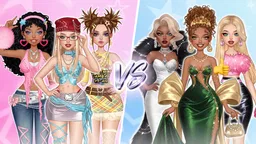
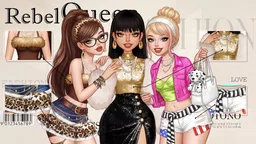
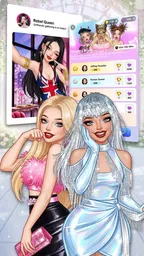
Rebel Glam: Dress Up Games is a fashion game for the moments when I want to experiment with a look rather than manage a complicated campaign. Its appeal is easy to understand: style an avatar, play with makeup, and see how a makeover changes the overall impression. I find that focused idea more inviting than a game that buries outfit choices under long tutorials, timers, or layers of management.
It is a free simulation game from 31 Dress up Games, with a Teen-free, Everyone content rating. The current release is version 1.38, and the game arrived on April 23, 2026. Those details make it straightforward to place: this is a casual dress-up experience, not a life simulator or a competitive fashion contest. If you enjoy trying out visual combinations at your own pace, that distinction matters.
A focused makeover game, not a fashion-management sim
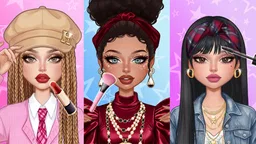
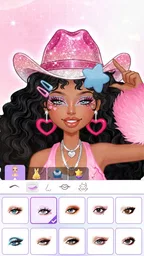
The central activity is personal styling. Rather than asking me to build a fashion business or keep a character’s schedule, the game invites me to work on an avatar’s appearance. Makeup and makeover choices give the experience a little more scope than simply swapping clothes, because I can think about how the face and the broader style work together.
That focus is also the main trade-off. Players who like turning a single outfit into a complete look may find the format relaxing and approachable. Those who want a deep wardrobe economy, a narrative, social competition, or detailed character-life systems should look elsewhere. I wouldn’t approach it expecting a sprawling simulation; the pleasure is in making visual decisions, not in unlocking a complex world.
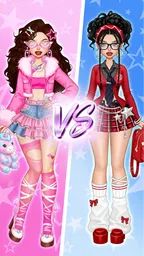
The title’s “Rebel Glam” identity suggests a bolder fashion mood, but I would treat that as a cue for the kind of styling fantasy rather than a promise that every item or makeover follows one strict aesthetic. The useful question is whether you enjoy experimenting with a character’s appearance. If you do, the theme gives that experimentation a clear starting point without requiring fashion expertise.
Why the makeup-and-outfit combination matters
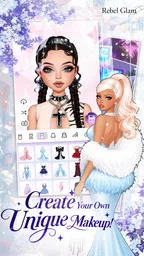
In dress-up games, it is easy for clothing to do all the work while makeup feels like an afterthought. Here, the stated emphasis on both makeup and makeover makes the face part of the creative decision. I’d use that to build a look in stages: settle on the mood first, then choose makeup that supports it, and only afterward refine the outfit. That workflow is more satisfying than selecting items at random because it gives each choice a purpose.
A practical tip is to change one element at a time when a look feels off. If the outfit is already working, try adjusting the makeup before replacing everything. That makes it easier to spot whether the clash comes from color, intensity, or the overall direction. Dress-up games often encourage quick tapping, but a little deliberate comparison can turn a merely busy look into one that feels cohesive.
I also like this kind of game as a short creative break. A realistic everyday use is opening it while waiting for a ride or taking a quiet pause between tasks, making one avatar look, and stopping when the combination feels finished. Because the core idea is immediately understandable, it suits those brief windows better than games that require remembering a mission or planning a long session.
Who is likely to enjoy it
I’d recommend it first to players who enjoy avatar styling, makeup experimentation, and low-pressure visual play. It may also work well for someone who wants a casual game to share ideas about color and style with a younger player, though an adult should still make the final call about any game’s suitability for a particular child. The Everyone rating is reassuring as a general content classification, but it does not tell a parent everything about how purchases or play work.
It is less suitable for someone who wants realistic beauty advice. The game’s purpose is creative styling, not teaching application techniques that translate directly to real makeup. Likewise, players who need a strong story, frequent challenges, or a measurable skill curve may find the activity too open-ended. I’d choose a narrative fashion game or a competition-focused alternative if progression and goals are what keep me engaged.
Compared with the usual dress-up options, Rebel Glam’s useful distinction is its explicit pairing of avatar fashion with makeup and makeover play. Some alternatives lean mainly on collecting clothes, while others make scoring or timed challenges the point. This one sounds better suited to unhurried styling than to chasing a leaderboard. That can be a strength if I want room to experiment, but a limitation if I need the game to continually tell me what to do next.
What the current release tells returning players
Version 1.38 is the current release, so anyone returning after an earlier install can check whether their device is running that version before deciding how to judge the present experience. The version number alone does not reveal which features changed, and I would not infer a new wardrobe, interface, or mode from it. What it does offer is a clear reference point: a returning player can compare the current build with their own previous experience rather than relying on assumptions about an update.
The game has a 4.4 average from around 35,000 ratings, alongside roughly 700 written reviews and more than 10 million installs. That level of uptake suggests it has reached a sizeable audience, while the rating gives a quick indication that many players respond positively. I still wouldn’t treat popularity as proof that it fits every taste: a casual styling game can be well-liked by its intended audience and still disappoint someone looking for substantial progression.
For existing players, the most meaningful way to assess the current state is to revisit the activity that originally appealed to them. Does styling still feel enjoyable? Is the balance between makeup and outfit choices enough to keep a session fresh? Those are better questions than expecting a version number to guarantee a particular change. If you have been away, approach it as a current dress-up game and judge the creative loop on its own terms.
Costs, device fit, and a sensible first session
The game is free to download, but it includes in-app purchases priced from $0.49 to $24.99 per item. That range is worth keeping in mind before handing a phone to a child or treating the game as a no-cost activity. I’d start without buying anything and see whether the free experience already gives enough room to enjoy styling. If a purchase is being considered, make the decision deliberately rather than assuming every item is included just because the download costs nothing.
For installation, the listed minimum operating-system requirement is Android 7.0. Check that your device meets it before troubleshooting a failed install; compatibility is a more sensible first step than assuming the game itself is broken. The game is also marked for Everyone, but that age label and the presence of optional purchases are separate considerations. Parents may want to review purchase controls on the device before letting a child play independently.
For a first session, I’d avoid trying to create the most elaborate look immediately. Pick a simple style direction—soft, dramatic, or playful—then see how the avatar changes as you pair makeup with clothing. Once the look has a coherent mood, experiment with one contrast, such as a softer face with a bolder outfit. This small process helps reveal whether the game’s creative choices appeal to you, and it avoids the frustration of tapping through options without a sense of what you are trying to make.
Where the experience may fall short
The clearest limitation is that a styling-first game depends heavily on whether its available creative choices feel satisfying to you. Someone who quickly runs out of ideas, or who prefers goals and rewards to self-directed play, may not get much from the central loop. I would also be cautious about expecting every session to feel different: when the core activity is assembling an avatar’s look, variety depends on how much enjoyment you get from changing combinations.
There is a second trade-off in the free-to-play model. Optional purchases can make the experience less straightforward for players who want every styling choice without spending, especially if they are sensitive to in-game offers. The published item-price range makes it sensible to set expectations before playing. I’d skip the game if you want a strictly purchase-free experience and prefer not to manage spending prompts at all.
It is also not the right pick for players who want to learn practical makeup skills or get feedback grounded in real-world fashion rules. A game can encourage visual experimentation, but that is different from instruction. For those needs, a dedicated tutorial or a more realistic styling tool would be a better fit. Rebel Glam makes the most sense when the goal is playful self-expression rather than expertise.
My verdict and what I would watch next
Overall, Rebel Glam: Dress Up Games is a good match for casual players who want to style an avatar with makeup and fashion choices, without committing to a demanding simulation. I like the clear creative focus and the possibility of treating each look as a small experiment. I would recommend trying it if you enjoy visual customization, while keeping the purchase options and open-ended format in mind.
When deciding whether to keep it, I’d watch for the things that matter to your own play style: whether the available styling choices continue to inspire you, whether the current version feels comfortable on your device, and whether the free experience is enough for your needs. Those are practical tests, not promises about future updates. The version number identifies the current build, but it is wiser to wait for concrete release details before expecting specific additions.
My bottom line is simple: choose it for a relaxed makeover session, not for deep progression or realistic beauty guidance. The game has attracted a large player base and holds a 4.4 average, but the best reason to try it is more personal—if putting together a distinctive avatar sounds enjoyable, its focused fashion-and-makeup concept is a pleasant place to start. If you need a plot, demanding challenges, or a completely purchase-free experience, another kind of game will probably suit you better.
What we like
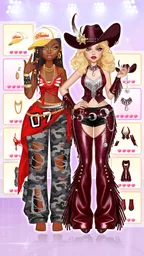
- Offers a wide selection of outfits and accessories to try on.
- Makes it easy to experiment with bold and edgy fashion looks.
- Provides a relaxed experience suited to short play sessions.
- Appeals to players who enjoy styling characters and creating looks.
- Lets players explore fashion choices without real-world costs.
What could be better
- Gameplay may feel repetitive once you have tried many outfits.
- Some items or features may require in-app purchases.
- Ads may interrupt the styling experience.
- The dress-up format offers limited challenge for some players.
- Fashion options may not appeal to players who prefer realistic styles.







