






Pokémon TCG Pocket - Card Game review
 Analysis by Appsdrops
The first thing I like about Pokémon TCG Pocket is how little commitment it asks for before a card-collecting session begins. I open a pack, look through the cards, and immediately have something new to inspect or work toward. That makes Pokémon TCG Pocket an easy fit for a short break, rather than a game that expects me to settle in for a long match every time I launch it.
Opening a pack is the first action
This is a free card game from The Pokémon Company, built around the familiar Pokémon Trading Card Game collection. Its central appeal is not simply owning a large pile of cards: it is the small reveal of turning over a pack, recognizing a familiar Pokémon, and seeing whether the cards give you a reason to keep exploring. The game is rated for Everyone, so its collecting focus is approachable for younger players as well as adults who remember the physical cards.
The daily pack allowance gives the routine a clear shape. You can open two booster packs each day at no cost, which means there is a natural starting point even if you have only a minute or two. I find that structure more inviting than a collection game that immediately pushes me to decide how much time or money I want to invest. A pack is a complete little activity: open it, enjoy the reveal, and decide whether to look through your collection or leave the next step for later.
That simplicity is also a useful way to set expectations. Pocket is first and foremost about collecting, not a full replacement for every part of the physical trading card hobby. If you mainly want the tactile experience of handling real cards, trading in person, or building a deck for face-to-face play, an app cannot recreate those parts. But if you enjoy the anticipation of opening packs and keeping a digital collection, the format makes the ritual easy to bring into an ordinary day.
A small routine that fits real life
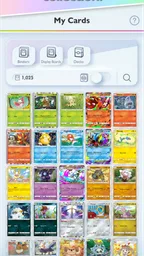
A realistic use case is opening a pack while waiting for a bus or taking a short lunch break. I can get the main pleasure of the game without needing to organize a group, carry cards, or protect a long block of free time. Later, when I have more attention to spare, browsing what I have collected can turn that brief visit into a longer one.
That split between a quick opening and optional follow-up is one of the game’s strongest design choices. It gives casual players a reason to return without making every visit feel like homework. It also means the experience can be satisfying even when I do not have the energy to play a lengthy card session. The trade-off is that a player who wants constant, hands-on strategic play may find pack opening too passive as the main attraction.
The feedback rhythm: reveal, inspect, repeat
The core loop has a satisfying rhythm: take the available action, see the cards, assess what changed in the collection, then decide whether to keep browsing or stop. The reward is immediate, but the next goal is personal. A new card might be exciting because I like the Pokémon, because it fills a gap, or simply because its artwork catches my eye. That makes the collection feel more individual than a checklist that only values the rarest result.
My practical tip is to give yourself a small reason to inspect each opening rather than rushing straight back to the next pack. Notice which cards are genuinely new to your collection and which ones you like for their presentation. That habit makes the reward feel more meaningful and helps prevent the loop from becoming a blur of taps and reveals. It is especially useful when you are playing in short bursts and want each visit to leave a distinct impression.
The game’s appeal rests on anticipation, so the rhythm will not land equally well for everyone. Some openings will feel more exciting than others; that unevenness is part of what makes a reveal suspenseful, but it can also frustrate someone who expects every session to deliver a standout card. I would approach each pack as a small chance to enjoy the collection, not as a promise of a particular result. That mindset makes the ordinary openings easier to appreciate.
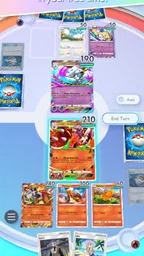
Compared with traditional card games in which most of the time is spent making tactical choices, this loop places more emphasis on discovery and collecting. Compared with a physical pack-opening session, it is more convenient and immediately available, but less tangible. For me, that makes Pocket a complement to the wider Pokémon card hobby rather than a substitute for every way people enjoy it.
What the reward is—and what it is not
The reward is the growing digital collection and the pleasure of seeing what an opening brings. It is not a guaranteed path to a specific card, and it is not the same thing as gaining a physical item. Keeping that distinction in mind matters if you are deciding whether the free daily routine is enough for you. I enjoy the collection more when I treat a card as a discovery rather than measuring every pack against a wish list.
There are in-app purchases, with items ranging from $0.99 to $99.99. Since the game already offers a free daily opening routine, I would start by seeing whether that pace feels satisfying before spending anything. A useful personal rule is to decide in advance whether you are playing for the daily ritual or pursuing a particular collecting goal. If the goal starts turning each opening into a disappointment unless it produces a specific result, stepping back is wiser than buying more in the moment.
The game has attracted a large audience: it has more than 50 million installs, an average rating of 4.6 from around 1.8 million ratings, and roughly 40,000 written reviews. Those figures suggest that the collecting format has broad appeal, but they do not settle whether it suits your own taste. The key question is whether you enjoy the reveal-and-collection loop enough to return when a session is short and its reward is uncertain.
The reset that brings me back
The daily limit is not just a restriction; it gives the experience a natural reset. Once I have used the free openings for the day, I can close the game without feeling that I have missed a long session. The next visit has a simple reason to happen: there are fresh daily packs to open. That reset is particularly helpful for someone who wants a collectible game in small doses rather than one that takes over an evening.
At the same time, the same structure will feel slow to a player who wants to open packs continuously without spending. If you prefer a game where each session can be extended through a steady stream of active decisions, the limited daily rhythm may feel more like waiting than progress. I would not recommend choosing Pocket on the assumption that the free routine will quickly satisfy an intense collecting urge. It works better when the modest pace is part of the appeal.
One small workflow that helps is separating the pack ritual from collection browsing. I can open the daily packs during a spare moment, then save a proper look through the collection for when I have time to enjoy it. That avoids turning a quick break into aimless scrolling, while still giving interesting pulls room to stand out. It also makes it easier to stop after the reveal instead of continuing simply because the app is open.
Who will enjoy the pace
I would recommend the game to Pokémon fans who like collecting, people curious about the card hobby, and anyone who wants a low-pressure mobile activity built around brief visits. It is especially appealing if the pleasure is in seeing familiar characters presented as cards and gradually building a digital collection. The Everyone age rating also makes its broad, approachable tone easy to understand, though parents should still decide whether in-app purchases suit their household.
I would steer away from it if your main priority is extended competitive play, physical ownership, or uninterrupted pack opening without spending. Those are reasonable preferences, but they are different from what this short-session collecting loop does best. Players who already enjoy the physical Pokémon TCG may appreciate the digital format as a convenient side activity; players looking for a complete stand-in for their usual table sessions may find the difference more noticeable.
The game is free to download, and its current version is 1.7.5, with Android support from version 7.0 onward. Those details make it straightforward to check whether a device can run it and to try the basic routine without an upfront purchase. For me, the more important decision is whether the daily pace sounds pleasant: if you like a quick reveal and a reason to return tomorrow, it is a good match; if you want every session to deliver deep play or a specific collectible, it may not be.
My verdict on the loop
Pokémon TCG Pocket works because it turns collecting into a clear sequence: open, see what appeared, enjoy or inspect the result, then let the session reset until the next visit. I like that it makes a small amount of time feel complete, and I appreciate that the free daily routine gives new players a way to try the central appeal before considering purchases. Its main limitation is the flip side of that ease: the experience can feel passive or slow when you want more control over what you collect or more sustained activity.
If you already enjoy Pokémon cards, or simply like the anticipation of a digital pack reveal, I think it is worth trying as a casual daily ritual. Go in for the collection rather than a guaranteed chase, and decide beforehand how you feel about optional spending. If that balance suits you, the loop is easy to return to; if you need longer strategic sessions or the feel of real cards, a different card-game experience will likely serve you better.
What we like
- Quick matches make it easy to play in short sessions.
- Daily free packs help grow a collection without spending.
- Polished animations make card reveals feel rewarding.
- Simple rules welcome players new to the Pokémon TCG.
- Trading adds a social way to collect cards.
What could be better
- Card battles offer less depth than the tabletop game.
- Pack openings rely partly on luck.
- Premium currency can make collecting expensive.
- Trading rules may restrict which cards you can exchange.
- Online play requires a stable internet connection.







