



Pokémon Sleep review
 Analysis by Appsdrops
I find Pokémon Sleep most appealing when I treat it less like a game to “win” and more like a gentle reason to pay attention to my bedtime routine. Its central idea is unusual: sleep is part of the play, and the Pokémon you encounter are tied to how you rest. That makes it a different kind of simulation game from one built around constant tapping, building, or competition. It is a relaxed fit for people who already enjoy Pokémon and want a low-key morning ritual, but a poor match for anyone who expects a conventional game to play actively throughout the day.
A sleep routine with Pokémon at its centre
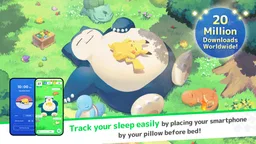
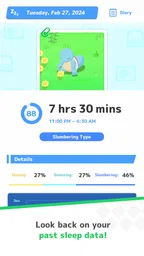
Made by The Pokémon Company, this free game asks you to track sleep with a compatible smart device and use that sleep session to discover Pokémon sleep styles. The appeal is easy to understand: instead of chasing a high score during a spare moment, you return after resting and see what your night brought. The Pokémon theme gives the routine a playful reward, while the simulation format provides a reason to check in and keep building familiarity over time.
That framing matters. I would not install it expecting a medical sleep tool or a detailed substitute for a dedicated sleep-tracking service. The game’s point is to turn sleep tracking into a Pokémon experience. If you want a playful nudge to keep a steadier routine, that can be motivating. If you need precise analysis to investigate sleep problems, I would use a purpose-built health tool and ask a qualified professional for guidance rather than treating a game as an authority.
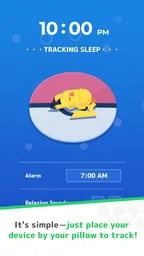
The basic rhythm suits a real-life schedule better than many mobile games: prepare for sleep, let the tracking session happen, and return in the morning. On a workday, that can make the game an easy check-in before breakfast instead of another app demanding attention during the evening. I like the idea, but it only works if the tracking setup fits your habits. A phone or device that must be placed in a particular way, charged, or kept near the bed can turn a relaxing routine into a small nightly chore.
What the free entry point does—and does not—tell you
The game is free to download, and its in-app purchases range from about one dollar to nearly one hundred dollars per item. That is useful context for deciding whether to try it, but it does not tell me what each purchase contains, how often the game presents offers, or whether spending changes the pace of progress. I would not assume that every purchase is necessary—or that every item is purely cosmetic—without checking the current in-game descriptions before paying.
For a cautious first run, I would start without spending. Give the routine enough time to see whether you actually enjoy checking in after sleep, whether the tracking method is convenient, and whether discovering Pokémon sleep styles feels rewarding to you. That is a better test than judging the game from a shop screen. If you later consider buying something, decide what specific friction it solves for you and set a spending limit first; the broad purchase range makes that especially sensible.
The audience is large enough to signal broad interest: Pokémon Sleep has over ten million installs, an average rating of 4.4 from around one hundred and forty thousand ratings, and roughly eight thousand eight hundred written reviews. Those figures are a snapshot of popularity, not a guarantee that the tracking experience will suit every device or bedtime routine. The game is rated Everyone, so its presentation is aimed at a wide audience, though younger players may still need an adult’s help understanding purchases and setting up a device.
Progress without turning bedtime into a chore
Sleep-based progress has an inherent trade-off: you cannot sensibly grind it by staying awake and tapping faster. That is refreshing if you are tired of games that reward constant attention, but it also means the game’s pace is tied to something you should not manipulate just to advance. I would avoid cutting sleep short, changing a healthy schedule, or becoming anxious about a session because of what the game might show. The routine should fit around rest, not the other way around.
A practical tip is to make the tracking step part of an existing habit. For example, I would set up the device after brushing my teeth, then leave the game alone until morning rather than repeatedly checking it at night. In the morning, I would review the result when I already have a few quiet minutes. This makes the app less likely to create screen time right before bed and keeps its reward tied to a routine I would want to maintain anyway.
Another useful trade-off is consistency versus flexibility. If your bedtime shifts often because of work, caregiving, travel, or an irregular schedule, a game organised around sleep sessions may feel less predictable than a typical daily game. That does not automatically make it unusable, but it changes what “progress” should mean: I would judge it by whether it remains a pleasant companion when life varies, not by whether I can maintain a perfect streak. If missing a session feels like failure, this is probably not the right kind of motivation for you.
Pokémon Sleep is also not an ideal choice for someone who wants a game they can enjoy independently of sleep. Its concept makes the overnight routine central, so it will not replace a traditional Pokémon adventure or a hands-on simulation game. If your main goal is to collect or play actively during a commute, choose a game designed for short active sessions instead. Here, the morning discovery is the point, and that quiet pace is either the charm or the limitation.
Fairness, purchases, and choosing your own pace
There is no reason to frame this as a competitive contest unless the experience itself gives you a reason to do so. The core idea is personal: your nights, your discoveries, and your relationship with the routine. I would approach it as a collection-minded sleep game rather than a leaderboard challenge. That mindset also helps keep the purchase question in proportion: spending should be a personal choice, not a response to pressure to keep up with another player.
Still, I cannot make a firm claim about competitive balance or the precise effect of purchases from the available purchase facts alone. The listed range establishes that optional in-app purchases exist and that individual items can vary substantially in price; it does not establish what advantages they provide, whether progress is gated, or how players compare. If those details matter to you, inspect the item descriptions and current game explanations before buying. I would be wary of paying on the assumption that a purchase will improve sleep tracking or guarantee particular Pokémon encounters.
My own rule would be simple: enjoy the free routine first, then pay only if the specific item and its cost make sense to you. Avoid buying because you feel you must recover a missed night or catch up with an imagined schedule. A sleep-linked game should not encourage you to spend out of guilt. For parents considering it for a child, the Everyone rating is reassuring about the intended audience, but the presence of purchases still makes it wise to review spending controls together.
Compatibility and the practical questions to settle
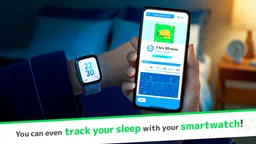
The current version is 3.9.1, and the minimum operating-system requirement is version 8.0. Before installing, I would check that the device you plan to use is compatible with the game’s tracking setup, not just that the app itself runs on your phone. The store summary specifically describes tracking sleep with a smart device, so the most important practical question is whether you have a supported device and are comfortable using it overnight. A phone that meets the operating-system requirement does not, by itself, answer every accessory or setup question.
It is also worth thinking through where the device will sit and whether it will be safe and comfortable there. If you share a bed, have a restless sleep style, or dislike keeping electronics close while you sleep, the tracking routine may be inconvenient. I would test the arrangement for comfort before making it part of every night. Convenience is not a minor detail here: if setup feels fussy, the game’s central loop becomes less enjoyable no matter how charming the Pokémon are.
One uncertainty I would leave open rather than guess about is how the game handles every edge case, such as a disrupted night or an interrupted tracking session. Those specifics can affect whether the app fits someone with unpredictable sleep, so I would check the current in-game guidance before relying on it. Likewise, purchase contents and their effect on progression should be evaluated from the actual descriptions presented at the time, not inferred from the price range. The useful conclusion is not that these details are good or bad; it is that they are worth checking if they would change your decision.
Released on July 18, 2023, the game has had time to establish itself as a distinct take on Pokémon and mobile simulation. That history does not guarantee that every feature or device setup will suit you today, so I would still confirm compatibility in the app store and read current purchase details before committing. The strongest reason to try it is the concept itself: a gentle, Pokémon-themed morning check-in that gives sleep a playful context.
Who I would recommend it to
I would recommend Pokémon Sleep to Pokémon fans who enjoy collecting, people who like small routines, and anyone who wants a softer alternative to games that ask for frequent active play. It may also work for someone trying to make bedtime feel more inviting, provided they see it as entertainment rather than a sleep-health solution. The best everyday scenario is a person who already intends to sleep on a fairly regular schedule, has a comfortable tracking setup, and enjoys a brief morning discovery without needing to optimise every result.
I would skip it if you dislike tracking sleep, cannot use a compatible device comfortably, want a game with active play at any time, or know that streaks and collection goals make you anxious. I would also choose a dedicated health app or professional support if your main concern is understanding sleep quality. Pokémon Sleep can add a little fun to a routine, but it should not carry responsibility for diagnosing or fixing one.
My trust verdict
For me, the most trustworthy way to approach this game is to keep its promise modest: it turns sleep tracking into a light Pokémon-themed activity. It is free to start, rated for Everyone, and built around a premise that is easy to explain. The rating and install figures show that plenty of people have tried it, but they cannot settle the personal questions that matter most: whether the setup is comfortable, whether the morning loop stays enjoyable, and whether the purchase options fit your budget.
I would try it without spending, establish a comfortable routine, and decide after a little time whether the experience adds enjoyment rather than pressure. If it makes mornings more cheerful and leaves your sleep schedule alone, that is a good result. If it turns rest into a score to chase, or the device setup becomes a nightly hassle, stepping away is the sensible choice. That balance is what makes Pokémon Sleep worth considering: it is a charming, unusual simulation game when it serves your routine, and not something you need to organise your routine around.
What we like
- Sleep tracking turns rest into a playful Pokémon collecting routine.
- Different sleep styles encourage repeat play and discovery.
- The relaxed pace suits players who prefer low-pressure games.
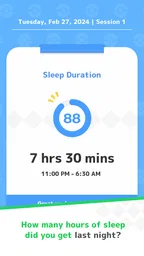
- Sleep reports make nightly habits easy to review.
- The Pokémon artwork and animations are charming.
What could be better
- Accurate tracking requires leaving the phone near your bed.
- Keeping the app active overnight can drain battery.
- Some features work best with a compatible sleep tracker.
- Progress depends on maintaining a consistent sleep schedule.
- Frequent notifications may feel intrusive to some players.







