


Magic: The Gathering Arena review
 Analysis by Appsdrops
I find Magic: The Gathering Arena easiest to judge not just as a digital card game, but as a way to bring a demanding tabletop hobby into moments when a physical deck and a play partner are out of reach. Its rules can be intricate, and a match asks for sustained attention, yet the phone version makes it possible to learn and play in shorter sessions. That convenience comes with trade-offs: small-screen reading, frequent decisions, and a steep learning curve can make it less comfortable than a relaxed, face-to-face game.
Reading the board and finding your way around
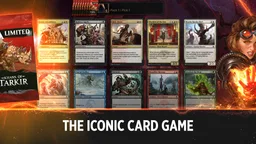
Built by Wizards of the Coast LLC, this free card game has a 4.2 average from around 301,000 ratings and has passed five million installs. Those figures suggest a substantial audience, but they don’t make the game automatically welcoming to newcomers. Magic’s card text, timing rules, and interactions still take patience to understand, especially when several effects appear in the same turn.
On a phone, the main challenge is not simply seeing cards; it is keeping the whole board in mind while inspecting details. A creature, a spell, and a triggered ability can all matter at once. I’d recommend taking time to read cards before committing them, rather than treating the interface like a fast arcade game. The ability to pause and inspect what is happening is part of playing well, not a sign that you are behind.
A useful habit is to approach each turn in stages: check what your opponent has available, review your own cards, then make one decision at a time. This reduces the chance of tapping through a sequence and later realizing that a card had a less obvious use. It also makes the game easier to follow if you are still learning the vocabulary of Magic.
The familiar card-game structure helps once the basics click. You are building a collection and using it to play, so learning one deck’s plan can be more manageable than trying to understand every card you encounter. I would begin with a straightforward strategy and keep a note of effects that repeatedly surprise you. That is more useful than chasing every new possibility before you know what you enjoy.
What the phone format makes easier—and harder
Compared with a physical tabletop game, Arena handles much of the procedure for you. You don’t need to arrange cards, track every rule interaction by hand, or find another person at the same table before starting. That makes it a practical way to fit a match into spare time and to explore the game when friends are unavailable.
The screen also compresses information. In person, a player can physically point to a card or ask for a moment to read it; on a phone, the board and text share limited space. If your vision makes small text uncomfortable, or if you prefer to take in a whole table at a glance, a larger display may be a better way to play when available. I would not choose a tiny phone screen for a long session if reading card details already tires you.
There is a difference between learning the rules and learning the interface. A new player may need to process both simultaneously: what a card does, and what the game is asking them to do next. I find it helpful to avoid multitasking during early matches. Giving the game your full attention makes it easier to understand the sequence of actions and notice why a play succeeded or failed.
Motor effort, pace, and sensory load
Card play is less dependent on rapid physical input than many action games, which can make Arena appealing if quick, repeated movement is not your preference. The central work is choosing cards and considering consequences. Still, the interface demands deliberate taps, and a mistaken selection can feel costly when you intended to inspect or play something else. Playing slowly and confirming each choice is a sensible approach, especially while the controls are unfamiliar.
There is also a mental and sensory workload that is easy to underestimate. Animations and changing board states can compete with the task of reading a card, while an opponent’s turn may require you to stay alert for a response. If visual motion or a dense screen is tiring for you, shorter sessions are likely to be more comfortable than trying to play through fatigue. I would treat a match as focused screen time rather than something to run casually in the background.
One practical way to reduce pressure is to separate practice from performance. When learning a new deck, focus on understanding its purpose instead of trying to make the cleverest possible play every turn. Once its common choices become familiar, you can spend more attention on the opponent and less on decoding your own cards. This small change makes a complex game feel less like a constant test.
Where it fits into an ordinary day
A realistic use case is a quiet break at home: I can settle in, play a match, and stop when I need to return to another task. It is less suited to a crowded commute or a noisy waiting room if you need to concentrate on card text and board changes. The game’s turn-based nature avoids the reflex test of a real-time action game, but it does not remove the need to stay mentally present.
That distinction matters if you are looking for something to play while listening closely to a conversation, watching a child, or moving between errands. I would not count on being able to dip in and out without losing track of a complicated position. On the other hand, if you have a calm window and enjoy planning several moves ahead, the phone format offers a convenient alternative to arranging a tabletop session.
Compared with simpler mobile card games, Arena asks more of you: there is more rules knowledge to acquire and more information to weigh. Compared with paper Magic, it removes the need to manage the physical cards and coordinate a local game, but you lose the social ease of discussing a play across the table. Neither format is universally better. I’d choose the app for solo practice and convenient access, and paper play when conversation and shared presence are the point.
Cost, commitment, and deciding whether to start
The game is free to install, with in-app purchases ranging from $4.99 to $199.99 per item. That wide spread is worth keeping in mind if you are curious but cautious about spending. I’d start by learning whether the game itself suits you before buying anything. A large collection is not a substitute for understanding what kinds of decks and matches you actually enjoy.
There is a genuine commitment beyond money: learning the card pool and rules takes time, and the appeal depends on whether you like that process. If you want a quick, low-reading game with little to remember between turns, this may feel like work. If you enjoy studying interactions, revisiting a match to understand a decision, and gradually getting better at a strategy, the depth is part of the reward.
Its Teen content rating is another useful point for households deciding what belongs on a shared device. I would still consider the individual player’s comfort with competitive play, screen time, and purchases rather than treating an age label as a complete guide. For a younger or brand-new player, it can help to sit together at first and talk through card choices instead of leaving them to make sense of every interaction alone.
Who may find it difficult
The game is not the best fit for everyone who likes cards. A person with difficulty reading dense text on a small screen may prefer physical cards, a larger display, or a simpler digital game. Someone who wants casual conversation while playing may find the focus required by Magic’s evolving board state gets in the way. And if learning detailed rules feels frustrating rather than satisfying, the depth that attracts longtime fans may become a barrier.
Players who are sensitive to busy screens or who need frequent breaks can still approach it on their own terms, but I would not describe the experience as effortless. Keeping sessions short, choosing a familiar deck, and avoiding play when tired are useful adjustments. They improve the odds of enjoying the strategy instead of struggling through a wall of information.
A thoughtful choice for the right kind of player
The current version is 2026.65.0.7335, and the game supports Android 7.1 or later. It has been available since March 17, 2021, giving it a long-running place among digital card games. For me, its strongest point is the way it lets a player engage with Magic without needing a physical setup; its main weakness is that the same detailed rules and card text that create depth can be demanding on a phone.
My recommendation is conditional but positive. If you want to learn Magic, have a comfortable screen, and like making considered decisions, Arena is a worthwhile place to begin. Start slowly, focus on one play style, and treat reading as part of the game rather than a hurdle to rush past. If you need a low-pressure distraction, easy glanceability, or a strongly social experience, a simpler card game or a tabletop match may serve you better.
What I appreciate most is that access here is a question of fit, not a blanket promise that every player will find the interface comfortable. The app lowers practical barriers to getting a game started, while leaving the cognitive demands of Magic largely intact. For players who enjoy that challenge, it can make a complex hobby more available in everyday life; for others, the physical table or a less intricate game remains the more inclusive choice.
What we like
- Free-to-play access lets newcomers try the game without an upfront purchase.
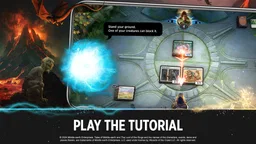
- Tutorials explain core mechanics and help beginners get started.
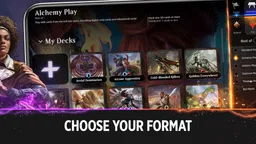
- A wide range of cards supports varied deck-building strategies.
- Regular events offer fresh ways to play and earn rewards.
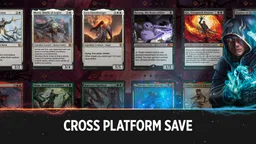
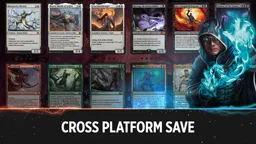
- Cross-platform account access keeps progress available on supported devices.
What could be better
- Card collection growth can feel slow without spending money.
- Random card packs make it hard to target specific cards.
- Matches can take a long time when opponents play slowly.
- The interface may feel crowded on smaller phone screens.
- A stable internet connection is required to play.







