



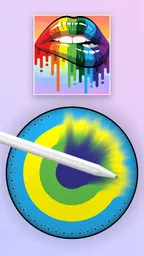
Eye Color Mix review
 Analysis by Appsdrops
I like a casual game best when its main idea is clear from the first move, and Eye Color Mix has a nicely focused premise: paint, match colors, and see what creative combinations you can make. It turns color mixing into a light simulation game, giving you a simple activity to dip into whenever you want something easygoing. Rather than asking for a long commitment, it invites you to start experimenting and enjoy the small satisfaction of getting a blend to look right.
Getting started with color
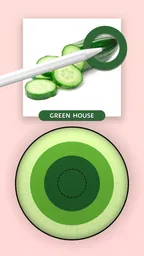
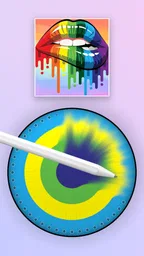
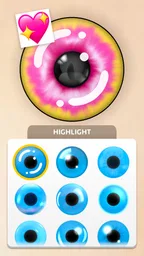
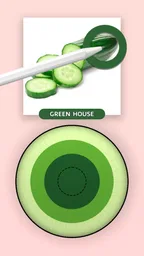
The first action is easy to understand: choose colors, apply paint, and work toward a match. That straightforward setup is a big part of the appeal. I don’t need to learn a complicated control scheme before I can begin, and the central idea stays in view as I play. The store description sums up the loop as painting, matching paint, merging colors, and getting creative, so the game’s identity is immediately apparent.
That clarity also makes Eye Color Mix feel approachable for players who prefer relaxed mobile games. Its coloring concept is easy to grasp, while mixing adds a little more thought than simply filling a space with a chosen shade. I find that combination appealing: the task remains casual, but I still get to make decisions about how colors might work together.
The game sits in the simulation category, though its approach is deliberately accessible rather than demanding. It is centered on a small, visual activity and the pleasure of trying to reach a satisfying result. If you enjoy hands-on creative games, or just want a brief change of pace from action-heavy titles, this color-mixing setup has an inviting quality.
A simple action with room to experiment
Color is the whole point, which gives each action an immediate purpose. I can think about what shade I want, make a choice, and see how the paint comes together. That action-and-result relationship is what makes the basic loop readable: do something with the colors, check the outcome, and decide whether the result feels right.
There is a pleasant creative angle here, too. Matching colors is not only a matter of following a task; it also gives me a reason to pay attention to the shades themselves. The game’s premise encourages experimentation, and the best moments are likely to be the ones where a combination comes together in a way that feels satisfying. It keeps the experience grounded in a visual reward rather than a complicated story or a deep simulation system.
Because the concept is so direct, it is easy to imagine playing in short stretches. I can open the game, focus on a color-matching task, and leave when I have had my fill. That makes it a comfortable option for casual play, especially for anyone who likes games that explain themselves through their central action instead of a lengthy introduction.
Feedback that keeps the loop moving
A good casual game needs to make the result of an action feel clear. In a paint-and-mix game, that feedback comes from seeing colors change and comparing the result with the shade you are trying to achieve. The visual nature of the activity gives the player something immediate to judge, and that is a natural fit for a game built around matching and merging paint.
I enjoy this kind of rhythm because the decision-making stays small and personal. I try a color, look at what happened, and consider what adjustment could bring me closer to the target. There is no need to treat every move as a high-stakes choice. Instead, the fun is in watching the result and deciding whether I want to refine it or move on.
That feedback can make even a simple task feel engaging. The player is not just tapping without context; the point is to connect a color choice to a visible outcome. When a blend looks closer to what I had in mind, that serves as a modest reward in itself. When it does not, the next attempt feels like a chance to approach the problem differently rather than a reason to abandon the session.
The strongest part of the concept is how directly it links a creative choice to a visible result. That connection suits a relaxing simulation game, and it gives the loop a clear pulse: act, observe, and try again. It is a small-scale pleasure, but that is exactly what makes the game easy to return to for a few minutes.
The satisfaction of getting a match
In a color-focused game, the reward does not have to be elaborate to work. Getting a shade closer to the one you want can feel worthwhile because the player has seen the process unfold. The game’s core promise is built around that creative payoff: paint, match, merge, and enjoy the result. For me, that is a more appealing hook than a system that piles on complexity without making the basic action more satisfying.
The reward also comes from the freedom to engage with color as a creative material. Even when there is a clear goal to match, the process invites a little curiosity about how one shade can meet another. That balance between following a task and enjoying the act of mixing is what gives the premise its charm.
It is worth approaching the game with the right expectations. This is a casual coloring game, not a deep art studio or a demanding strategy challenge. Its value lies in having a clear activity that can feel calming and gratifying. If you want elaborate tools or extensive creative control, the simple premise may feel limited. If you want a quick color-matching experience, that simplicity is a strength.
Why another session begins
The reset is part of the appeal. Once one color task has run its course, the idea of trying another combination gives the experience a natural reason to continue. The player can return to the same basic actions—painting, matching, and merging—without needing to relearn the game. That makes the loop easy to pick up again, whether I have a few spare moments or feel like spending longer with a series of color challenges.
Starting over does not have to mean the experience feels repetitive right away. Color itself offers plenty of room for small variations, and the player’s attention can shift from one shade to another. The familiar structure becomes a kind of comfort: I know what I am here to do, and I can focus on the next result rather than figuring out a new set of rules.
At the same time, repetition is an important consideration. The core activity is intentionally narrow, so players who need a broad range of mechanics may want more variety than this premise is designed to provide. I see the game as best suited to short, relaxed sessions where the pleasure comes from the immediate task, not from a long progression or an ever-expanding set of systems.
Who will enjoy this simulation game?
Eye Color Mix is a good fit for players looking for a free, casual coloring game built around matching paint and combining colors. It is rated Everyone, which makes its approachable theme easy to understand across a broad audience. The game has reached over ten million installs and holds a 4.5 average from around 248,000 ratings, signs of a sizeable audience for its simple creative premise.
It is also a reasonable pick for people who like visual tasks and prefer their mobile games to be easy to enter. The loop does not ask me to plan a long session before I begin. I can start with a color choice, follow the result, and decide whether I want another round. That low-friction structure is useful when I want something relaxing rather than a game that demands concentration for a long stretch.
The game is developed by CrazyLabs LTD and was released on September 23, 2023. Its current version is 1.7.0.0, and it requires Android 8.0 or later. It is free to download, with optional in-app purchases ranging from $2.99 to $9.99 per item. Those purchases are worth keeping in mind if you prefer to avoid spending inside games, but the basic pitch remains easy to understand before you decide whether it suits you.
A few practical expectations
What I appreciate most is that the game does not need a complicated explanation to communicate its appeal. If mixing colors sounds fun, the premise is right there. If you are mainly searching for a story-driven game, a competitive challenge, or a detailed simulation, this is probably not the experience you have in mind. The best way to approach it is as a light creative diversion with one central activity.
That focus is also why the game can be a comfortable choice for brief breaks. Its visual tasks give each session a recognizable beginning and end: make a color choice, see how the match turns out, and decide whether to continue. There is a gentle sense of progress in trying to get a result right, without requiring the player to treat every attempt as a major commitment.
For a casual game, a clear core loop matters more than a long list of features. Here, the loop is easy to describe and easy to remember. The action is mixing and applying paint; the feedback is seeing the color outcome; the reward is landing on a satisfying match; and the reset gives me a reason to try another one. That is a tidy formula for a game intended to be picked up whenever the mood strikes.
My verdict on the loop
I would recommend Eye Color Mix to anyone who wants a straightforward color-mixing game with a relaxed tone. It makes its central action clear, gives the player an immediate visual result to consider, and uses the possibility of another color task to keep the session moving. The experience is deliberately simple, but that simplicity helps it work as a quick creative break.
The main caveat is that the same narrow focus may not hold everyone’s attention for long. Players who want lots of different systems or a more demanding challenge could find the loop repetitive. For me, though, the appeal is precisely that I can return to the basic pleasure of experimenting with paint without facing a steep learning curve.
Overall, this is an easygoing simulation game with a clear reason to play and a natural reason to begin another round. If matching shades, combining colors, and enjoying small visual wins sounds appealing, it is worth a look in your app store. Go in expecting a simple coloring experience rather than a sprawling game, and its action-feedback-reward-reset rhythm makes a lot of sense.
What we like
- Lets you preview different eye colors on a portrait.
- Offers a simple way to experiment with colored contact looks.
- Useful for planning a subtle or dramatic style change.
- Can make casual photo edits more engaging.
- Provides a visual reference before trying colored lenses.
What could be better
- Results depend on clear lighting and a sharply focused photo.
- Some eye shapes may be difficult to edit precisely.
- Color previews may not match real contact lenses.
- Edited photos can look unnatural when the shade is too strong.
- A suitable portrait is needed to get convincing results.







