



DIY Bubble Tea Simulator review
 Analysis by Appsdrops
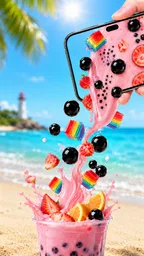
I like small simulation games when they give me a clear little activity to settle into, rather than asking me to learn a complicated system before the fun starts. DIY Bubble Tea Simulator has an appealingly simple premise: prepare a boba-style drink, then bring a playful prank element into the mix. That combination makes it sound suited to a quick break or a lighthearted moment with friends, though it is a narrower experience than a full café-management game.
DIY Bubble Tea Simulator is a free simulation game from Pageto Production, with an Everyone age rating. Its current version is 1.0.7, and it runs on Android 7.0 or later. The game has a 3.4 average from around 1,000 ratings and has passed one million installs. Those figures suggest that plenty of people have tried it, while the middling average is a sensible reason to approach it with measured expectations rather than assuming it will suit everyone.
What the free download is worth
The clearest cost advantage is straightforward: you can try the game without paying to download it. That makes it an easy, low-commitment choice if you are curious about a playful bubble-tea activity, or if you want something simple to show a younger player. I would treat “free” as a reason to sample it, not as a promise that every part of the experience is free or that the game offers exceptional depth; the price fact alone only establishes that the game itself is free to get.
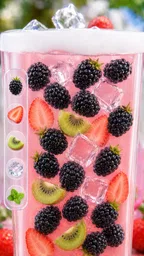
For me, the useful question is whether the central activity sounds enjoyable enough to revisit. Mixing and shaking a drink gives the game a tactile, make-believe focus, and the prank angle adds a social joke rather than turning the premise into a serious business simulation. If that is the kind of low-pressure play you want, the free entry point is appealing. If you expect a detailed recipe catalogue, long-term progression, or a robust café to manage, I would look for a game whose description specifically promises those things.
The developer, Pageto Production, presents the game as a DIY bubble-tea experience rather than a realistic restaurant tool. That distinction matters when deciding what value means here. I would judge it by whether the drink-making and comic setup provide a pleasant short session, not by whether it teaches real preparation techniques or recreates the work of running a shop.
A playful activity, not a café-management challenge
The premise points toward a small, focused loop: create a drink and use the result for a prank. That gives the game a different appeal from the usual simulation alternatives, where the main attraction is often keeping a business running, optimizing a routine, or managing a growing collection of tasks. Here, the likely draw is the silly contrast between making something that looks tempting and using it to surprise someone.
That focus can be a strength. A player who just wants a quick, understandable activity does not necessarily need staff schedules, inventory planning, or a long tutorial. The theme is also easy to explain to someone watching: you are putting together bubble tea, and the joke is part of the point. I can see it working as a short shared laugh during downtime, especially for someone who enjoys food-themed games but does not want a demanding management challenge.
It is also important not to confuse a pretend drink-making game with a recipe guide. A virtual mixing activity may be entertaining, but it is not a substitute for instructions on ingredients, measurements, food safety, or how to make boba in a real kitchen. If your goal is to learn how to prepare bubble tea, a cooking guide or recipe-focused app is a much better fit. This game’s value is entertainment, not practical culinary instruction.
How I would make a short session count
One useful way to approach a game built around a simple gag is to treat each play session as a little performance rather than expecting a long campaign. If I were showing it to a friend, I would let them take the lead on assembling the drink, then make the reveal the punchline. That gives the activity a social purpose even if the underlying simulation is brief. It is a better fit for a few minutes of playful interaction than for an evening when I want a story or a deep system to master.
A second practical tip is to decide what you want before opening it. If you are looking for a relaxed, food-themed distraction, the premise is a reasonable match. If you are hoping to compare recipes, build a business, or unlock a large set of long-term goals, those expectations may make a small prank-focused game feel thin. Setting that boundary is especially helpful with a title whose average rating is 3.4: the public response is mixed enough that I would try it with modest expectations and see whether its particular joke lands for me.
A third trade-off is the social framing. The prank idea may be amusing when shared with someone who enjoys silly surprises, but it may not be the main attraction for a player who simply wants to decorate drinks or experiment with flavors. If the joke does not appeal to you, the central concept may have less staying power. I would choose a more conventional drink-making or café simulation if I wanted the creative activity to stand on its own without a prank component.
Where the limitations matter
The narrow premise is the main limitation I would keep in mind. A game centered on preparing one kind of treat has less obvious variety than a broad cooking simulator, and the prank element may divide players rather than broaden the appeal. That does not make the game a poor choice; it means its value depends heavily on whether you enjoy this specific blend of drink-making and mischievous humor.
I would also be cautious about recommending it to someone seeking a polished, substantial simulation. The category can cover everything from casual tactile activities to elaborate management games, and this title’s premise belongs closer to the light, playful end. The 3.4 average gives me another reason not to promise a universally satisfying experience. A free download can make experimentation easy, but it cannot make a narrow concept feel deep to a player who wants more systems or a more realistic challenge.
For younger players, the Everyone rating makes the intended age audience broad, but a parent should still decide whether the prank theme fits their household. The idea is comic rather than serious, yet “prank” means the humor depends on surprise. I would suggest playing together first if you want to see how the joke is presented and whether it feels fun rather than annoying to the person on the receiving end.
There is also a useful distinction between a game for watching and a game for sustained solo play. The drink-and-prank premise has an obvious moment to share with another person, so it may work better as a brief conversation starter than as a quiet, lengthy pastime. If you usually play alone and want a strong sense of progression, a more expansive simulation is likely to deliver better value for your time.
Who is most likely to enjoy it?
I would recommend giving it a try if you like casual food-themed games, enjoy goofy surprises, or want something easy to introduce to a friend without explaining a complicated setup. It may also suit someone who is curious about the bubble-tea theme but does not need a realistic recipe or a detailed shop-management experience. The low-cost barrier makes it a reasonable experiment for those players.
I would skip it if you dislike prank humor, want a serious business simulator, or expect a game to teach you how to make an actual drink. It is also not my first choice for someone who needs a deep solo game with extensive systems. In those cases, a conventional cooking simulator, a café-management game, or a real recipe resource will better match the goal.
For an everyday scenario, imagine a short break when a friend is nearby and you want a simple shared distraction. One person can focus on the drink-making idea while the other waits for the comic payoff; the appeal is in the small reveal, not in optimizing a long chain of tasks. On a commute or during a quiet solo moment, it may still serve as a light diversion, but the social joke is less useful when there is nobody to share it with.
My verdict on trying it
DIY Bubble Tea Simulator is easiest to recommend as a free, casual experiment for players who like a very specific kind of silliness. Its identity comes from pairing a boba-inspired activity with a prank, not from promising an all-purpose cooking or management experience. I appreciate that focused idea, but I would not mistake a playful premise for proof of depth, and the average rating reinforces the need to keep expectations realistic.
If the combination sounds entertaining, I think it is worth trying and judging on its own terms. If you want richer simulation systems, real drink-making advice, or a prank-free creative game, I would choose another option instead. My final take is simple: the free download makes it easy to test, but the prank-centered concept is what determines whether it feels worthwhile. For the right player, that is enough for a cheerful short break; for everyone else, it may be a quick novelty rather than a lasting favorite.
What we like
- Simple controls make drink preparation easy to learn.
- Colorful visuals give the simulator a cheerful look.
- Custom drink combinations encourage creative experimentation.
- Short play sessions suit casual mobile gaming.
- The bubble tea theme offers a lighthearted change of pace.
What could be better
- Some players may find the drink-making tasks repetitive.
- The simulator offers limited challenge for experienced players.
- Progress may feel slow if new options unlock gradually.
- Touch controls can make precise ingredient choices tricky.
- The gameplay may lack appeal for players who dislike simulators.







