
Toast - Local Restaurants review
 Analysis by Appsdrops
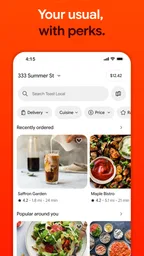
I find Toast - Local Restaurants most useful when I already have a restaurant in mind or want to make a meal plan with less back-and-forth. It brings ordering, reservations, and rewards together in one food-and-drink app, which can make a familiar local restaurant easier to deal with. The important caveat is that its usefulness depends on whether the restaurant I want is available through Toast; it is not a universal directory or a replacement for every restaurant’s own ordering setup.
From choosing a restaurant to finishing an order
My practical starting point is to think about the meal first: am I collecting food, hoping to eat at a particular time, or simply returning to a place I already like? Toast is designed for those restaurant-related tasks, so it makes the most sense when I use it as part of a specific plan rather than opening it with the expectation that it will solve every dining decision.
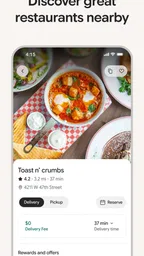
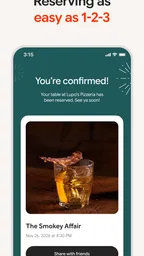
For a planned meal, I would check whether the restaurant I want supports the action I need, then review the available choices before committing. Ordering and reserving are different jobs, and the app’s value is that both fit within the same restaurant-focused experience. I still treat the restaurant’s own details as important: menus, availability, and the terms of an offer are the things to read carefully rather than assume will be identical across every business.
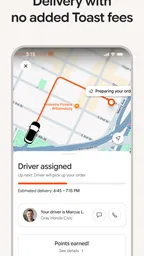
A realistic example is deciding on dinner after work. If I know where I want to eat, I can use the app to see whether ordering or making a reservation is an option, then take care of that task before the evening gets busy. That is a modest convenience, but it can prevent the familiar scramble of searching through messages, switching between a booking service and a separate ordering channel, and trying to remember where a loyalty offer lives.
The app is made by Toast, Inc., and its focus is local restaurants rather than broad meal planning or grocery shopping. I would not expect it to compare every nearby restaurant, provide a complete guide to a city’s dining scene, or make a restaurant available if that business does not use Toast for the relevant service. For discovery across many unrelated places, a general maps or restaurant-search app may be a better first stop.
Check the restaurant and the task before you rely on it
One useful habit is to confirm that the restaurant is the correct one before going further. Local businesses can have similar names, and the restaurant you remember may not offer the same options through every ordering channel. I would verify the location and the meal details before placing an order or planning a visit around a reservation. That small check matters more than rushing through the first screen.
I also separate “I want to eat there” from “I want to place an order now.” If I’m hoping to dine in, a reservation is the relevant path; if I need food to take away, an order is the useful one. Keeping that distinction clear helps avoid spending time in a flow that does not match the plan. It is an ordinary point, but it is exactly where an all-in-one restaurant app can save effort when used deliberately.
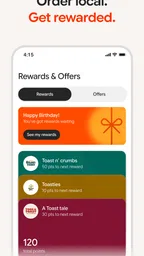
Rewards are another reason to make Toast part of a repeatable routine. If I regularly visit a participating restaurant, checking the rewards area as part of the ordering process can help me keep track of the value attached to those visits. I would not treat rewards as a reason by themselves to choose a restaurant, though. The meal, convenience, and the restaurant’s own terms should come first; a loyalty benefit is worthwhile only when it fits a place I already want to support.
Settings and habits that make repeat visits easier
I would begin by checking the account and notification settings that are available in the app, then keep only the prompts I find useful. For a person who orders occasionally, a quiet setup may be preferable; someone who uses it for regular restaurant visits may want timely reminders or updates. The sensible approach is to review those choices rather than assume that every alert is necessary. This is a general settings habit, not a claim that Toast offers a particular toggle or shortcut on every device.
For repeat use, I find it helpful to make a simple routine: choose the restaurant, confirm the task, review the order or reservation details, and then check whether rewards apply. Doing those steps in the same order reduces careless mistakes, especially when I’m ordering in a hurry. It also makes it easier to notice when a restaurant’s available options differ from what I expected instead of tapping through automatically.
A second useful pattern is to handle the decision before the busiest part of the day. If I already know where I’m eating, I can check the restaurant’s options earlier rather than waiting until I’m hungry and short on time. That does not guarantee availability, but it gives me a chance to adjust the plan. For a group meal, I would also settle the restaurant and timing with everyone before making a reservation or placing an order; the app cannot resolve uncertainty among the people making the plan.
These habits are more valuable than trying to find secret functions. Toast’s practical strength is bringing restaurant tasks and rewards into one place, not requiring a complicated system to master. I would avoid assuming that a feature shown for one restaurant will appear for another, and I would read each restaurant’s details instead of treating the app as if every business followed one identical process.
Where Toast fits among restaurant apps
Compared with a restaurant’s own app, Toast can be convenient when I want a shared way to handle participating businesses rather than installing a separate app for each one. Compared with a broad delivery marketplace, its appeal is more focused: restaurant ordering, reservations, and rewards are the central reasons to use it. Which option is better depends on the place and the task, not on a universal ranking.
If I am choosing among unfamiliar restaurants, a map or review service may give me a wider discovery experience. If I have a favorite local place and want to interact with it through Toast, this app may be the more direct route. If the restaurant’s own channel offers the precise service I need and Toast does not, using that channel is the sensible choice. I see Toast as a useful companion to other ways of finding and contacting restaurants, rather than a reason to abandon them all.
There is also a practical trade-off in keeping restaurant activity in a single app: convenience depends on participation. The experience can feel streamlined for a restaurant that supports the task I want, but less helpful when a business is not available or when its options do not match my plans. Before building a routine around it, I would test it with the places I actually visit. That is more informative than judging the app only by its feature list.
What to expect from the app itself
Toast is free and has an Everyone age rating. It has an average rating of 4.8 from around 41 thousand ratings, with about 5.9 thousand written reviews and over one million installs. Those figures suggest that many people have found a reason to use it, but they do not guarantee that a particular restaurant or workflow will suit me. I would judge it by whether it supports the places I visit and makes those visits easier.
The app was released on March 9, 2020, and its current version is 3.15.0-production, with Android 8.0 as the minimum operating system. I would keep it updated through the app store so I’m using the current release, especially if I rely on it for a planned order or reservation. On a device that does not meet the minimum Android version, I would look for another way to handle the restaurant task rather than assume the app will run properly.
My main limitation is not that the idea is too complicated; it is that usefulness is tied to the restaurant and the specific service available there. Someone who rarely returns to the same local restaurants may get less value from rewards and repeat ordering. Someone who wants one app to search broadly, compare every option, and cover every dining situation may also prefer a more general restaurant or delivery service.
Who I would recommend it to
I would recommend Toast to people who regularly visit local restaurants that support it, especially anyone who likes having ordering, reservations, and rewards gathered in one place. It is particularly appealing when I already know which restaurant I want and would rather manage the practical steps without jumping between several restaurant-specific tools.
I would suggest skipping it as a primary dining app if the restaurants I use do not appear in it, if I mainly need broad discovery, or if I prefer to manage every restaurant directly through its own channel. It is also not a substitute for checking the details of a reservation or order. A convenient interface can help organize a plan, but the user still needs to make sure the selected restaurant, time, and order are right.
Overall, Toast is a focused option for turning repeat visits into a smoother routine. I like the combination of restaurant ordering, reservations, and rewards because it supports practical tasks rather than trying to be an all-purpose dining guide. Its strongest use is simple: find a participating restaurant I already want to visit, choose the relevant service, review the details, and make the same careful checks each time. If that describes how I eat out, it is worth trying; if I need universal coverage, another option will likely serve me better.
What we like
- Order from nearby restaurants for convenient pickup or delivery.
- Browse menus and place orders directly through the app.
- Save time by ordering ahead for pickup.
- Discover local dining options in your area.
- Review order details before submitting your purchase.
What could be better
- Restaurant availability may vary by location.
- Delivery options depend on each restaurant.
- Menu prices may differ from in-store prices.
- Some restaurants may have limited ordering hours.
- A stable internet connection is needed to place orders.





