




OpenTable review
 Analysis by Appsdrops
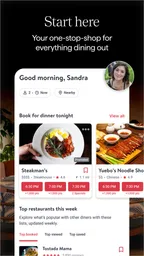
Finding a restaurant that fits the occasion is only half the job; getting a table at the right time can be just as important. OpenTable brings restaurant discovery and reservations together, giving diners a straightforward place to start when they are planning a meal out. I like the appeal of that simple idea: instead of treating the search and booking as separate chores, the app is built around helping you find a suitable restaurant and reserve it.
Restaurant discovery and booking in one place
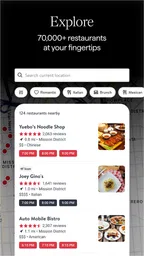
OpenTable is a free Food & Drink app from OpenTable, aimed at people who want to discover and book restaurants. That makes its purpose easy to understand whether you are arranging a casual dinner, planning a special meal, or simply looking for somewhere new to try. Its focus is practical rather than complicated: help diners narrow down their options and move toward a reservation.
The app has a 4.7 average from around 195,000 ratings, and it has been installed over 10 million times. Those figures suggest that restaurant discovery and reservations are useful enough to bring a broad audience to the service. They do not tell me which restaurant will suit a particular diner, of course, but they do give the app a strong presence among food and dining tools.
A useful starting point when plans are taking shape
When I am choosing a place to eat, the decision often comes down to more than the food. The occasion, the people coming along, and the timing all matter. A reservation app can make that process feel less scattered by putting discovery and booking under the same roof. OpenTable’s core promise is precisely that combination, which gives it a clear role before a meal rather than during it.
I also appreciate that this is a focused proposition. The app does not need an elaborate pitch to explain why someone might open it: you are looking for a restaurant, or you want to book one. That clarity is helpful for first-time users and for returning diners who want to get straight to planning. The most important test is whether it helps turn a vague idea—“let’s go out somewhere”—into a restaurant choice and a reservation.
What the current version tells us
The current version is 26.27.1. That is a concrete marker of the app’s present release, but a version number alone does not describe exactly which features have changed or how the interface has evolved. I would rather keep those points separate than assume that a higher version number automatically means a particular improvement. What is clear is that OpenTable remains centered on restaurant discovery and booking.
For someone already using the app, the version number is mainly useful as a reference when checking that their installation is current. The meaningful question is whether the experience continues to support the task they came for. In this case, the product’s defining job remains easy to identify: help people discover a restaurant and book the right one. That consistent focus is valuable even when release details are not part of the app’s main pitch.
There is an important difference between verified product facts and expectations about future releases. I can say that the app has a current version and a clear booking purpose; I cannot responsibly turn that into claims about redesigned screens, new search tools, or particular reservation options. For readers comparing restaurant apps, that distinction keeps the review useful: it describes what OpenTable is for without dressing assumptions up as release notes.
How that focus affects existing users
For returning users, a dedicated restaurant-booking app can become a familiar planning tool. The appeal is not necessarily that every outing requires a reservation, but that the option is there when coordinating a meal calls for one. A single place to begin the search and make a booking can also make the planning stage feel more direct, particularly when a group needs to settle on where to meet.
OpenTable’s broad adoption gives existing users a reason to keep it in their dining toolkit, while its free price removes a purchase decision from getting started. The app is rated for Everyone and supports devices running Android 8.0 or later. Those details matter when deciding whether it is suitable for a household or compatible with an older Android device. They are practical considerations, not a promise that every restaurant or reservation scenario will work the same way.
The app has around 55,000 written reviews in addition to its ratings. That volume shows that many people have chosen to share feedback, though individual experiences can naturally differ. When using any booking service, I would still treat the restaurant and the reservation details as the important parts of the plan. The app’s role is to facilitate discovery and booking; the meal itself depends on the place you choose.
Where expectations should stay realistic
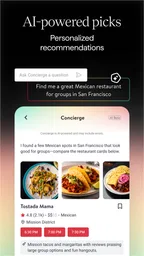
OpenTable’s concise store description sets a clear expectation: discover and book the right restaurant. That is a useful promise, but “right” is personal. One diner may be looking for somewhere suitable for a celebration, while another just wants an easy option for an ordinary evening. A recommendation or discovery tool can help organize a search, but the final choice still belongs to the person making the plans.
I would also avoid assuming that a restaurant app can settle every detail of a night out. The central value here is discovery and reservations. Diners should pay attention to the restaurant and booking information shown in the app and make choices based on their own needs. Keeping that boundary in mind makes the service easier to judge: it is a planning aid, not a guarantee of a perfect meal or a substitute for personal preferences.
For people who rarely make restaurant reservations, the app may be most useful on occasions when booking ahead matters. For frequent diners, it can have a more regular place in the planning routine. Neither pattern is inherently better; it comes down to how often you eat out and whether you like arranging a table before you go. The practical appeal is strongest when restaurant discovery and a reservation are both part of the same task.
What I would watch as the app develops
Future releases are where users will be able to judge the product’s evolution more clearly. I would look for changes that make the central journey—finding a restaurant and booking it—more convenient, while treating any particular feature as an expectation rather than a fact until OpenTable actually confirms it. That approach gives existing users something meaningful to watch without inventing a roadmap.
It is also worth watching how well the app continues to serve both occasional planners and regular diners. A focused experience should make it easy to get started, while giving returning users a reason to come back when another meal needs planning. Improvements are most relevant when they support that core purpose rather than adding complexity for its own sake. Until a change is confirmed, the fairest description is that OpenTable remains a restaurant discovery and booking app.
Who may find it useful
I would consider OpenTable if I wanted a dedicated way to look for restaurants and handle reservations in one app. It is an especially natural fit for anyone who likes to arrange dining plans ahead of time or wants a recognizable starting point when choosing where to eat. People who rarely book tables may use it less often, but the straightforward purpose makes it easy to understand when the need does come up.
The app’s free price, Everyone content rating, and support for Android 8.0 and later make its basic requirements clear. It is developed by OpenTable and belongs to the food-and-drink space, where convenience and clarity are more important than novelty for their own sake. For me, the best way to judge it is by how smoothly it helps turn restaurant ideas into a booking, rather than by expecting it to solve every part of dining out.
Overall, OpenTable makes a strong case for itself through a simple, practical purpose: discover a restaurant and book the right one. Its 4.7 average and substantial audience point to a service that many diners find worth keeping around, while the current version provides a clear reference for the app as it stands. I see it as a useful planning companion for meals where choosing a place and securing a table go hand in hand. If that is how you like to organize a night out, it is an easy app to consider.
What we like
- Restaurant availability and prices are easy to compare.
- Filters help narrow choices by cuisine and dining preferences.
- Booking confirmations are provided in the app.
- Saved restaurants make it easier to revisit favorites.
- Reviews from diners can help inform your choice.
What could be better
- Coverage can be limited in smaller towns.
- Popular tables may disappear before a booking is completed.
- Some restaurants require a credit card to reserve.
- Cancellation rules vary by restaurant.
- Restaurant details and menus may not always be current.





