Micro SD Card formatter review
 Analysis by Appsdrops
Formatting a microSD card is one of those jobs I’d rather do deliberately than rush: the card may hold the only copy of a photo collection, or it may be headed into a camera that needs a clean start. Micro SD Card formatter is a focused Android utility for that task, rather than a general storage manager. Its purpose is easy to understand, but using any formatter calls for care: formatting can erase what is on the card, and a phone app is not a substitute for checking that the card is the right one and the files are backed up.
When the connection matters—and when the card does
The app belongs to the libraries and demo corner of Android utilities, where the practical question is less about entertainment and more about whether a small tool fits a particular job. It is made by zeecoder, is free to install, and has an Everyone age rating. Its store description points to microSD formatting as the central use, so I would approach it as a single-purpose helper, not as a complete repair suite or a way to recover lost files.
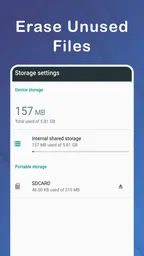
Connectivity is worth considering, but it should not distract from the main risk. Formatting work is centered on the card and the device’s ability to access it; a network connection cannot make an incorrectly selected card safe to erase. I would not plan the task around assuming the app works without internet, nor would I treat a network connection as evidence that the card has been identified correctly. The sensible first move is to inspect the phone’s storage settings and confirm which removable card is mounted before opening a tool that can format it.
That distinction is useful in everyday situations. If I’m about to reuse a card from an old device, I first copy anything I want to keep to another location, then check the card’s contents and label. Only after that would I consider formatting. If the phone has several storage entries or the card is shared between devices, taking a moment to confirm the target matters more than saving a few taps.
A focused tool, not a storage dashboard
The appeal here is its narrow purpose. The ordinary alternatives are a phone’s built-in storage controls, a computer’s card-formatting utility, or the device that will eventually use the card. Each has a different advantage: the phone is close at hand, a computer may make file inspection easier, and a camera or other host can format a card for its own needs. I’d choose among them based on the destination device, rather than assuming a dedicated Android formatter is automatically the best option.
A phone-based formatter can be handy when I’m already using the Android device that reads the card and don’t want to move it to a computer. But if a camera gives a specific instruction to format the card in-camera, I would follow that instead. The host device may prepare the card in the way it expects, which can prevent compatibility headaches later. Similarly, if the card is not visible or behaves erratically, formatting is not my first troubleshooting step; I would check the physical seating and test it in another reader before deciding the card itself needs to be cleared.
The app has an average rating of 3.3 from around 2.1K ratings, alongside 84 written reviews. I read that as a reason to keep expectations measured, not as proof that it will fail or succeed on a particular phone. People’s results with storage tools can depend heavily on the device, Android version, card condition, and the exact job they are trying to do. It has passed 100K installs, which suggests that the use case is familiar to many Android users, but popularity does not remove the need to verify the target before acting.
Using it in real mobile situations
For someone who routinely moves a microSD card between an Android phone and a camera, the convenient moment might be at home before a trip: review the card, copy the keepers elsewhere, and prepare it before packing. I would not wait until standing beside a trail or at an event, when the phone battery may be low, the card may contain recent shots, and there may be no easy way to check a backup. A little preparation turns a potentially stressful operation into a planned one.
Another realistic case is a card inherited from an older device. Rather than format it immediately because it appears unused, I would browse it first and look for folders that belong to the previous owner or device. Formatting is a destructive reset, not a tidy-up button. If I cannot confidently identify what is on the card, I would postpone the operation and inspect it with a file manager or computer. That extra step is especially worthwhile when the card came from a family member or contains files that may not be obvious from its label.
There is also a travel trade-off. A phone is portable, but portability can tempt me to do storage work in a hurry. I’d avoid formatting while navigating, commuting, or relying on the card for an active task. If the phone loses contact with the card during an operation, the outcome can be confusing, and trying repeated actions without checking the card may make matters worse. I prefer a stable, calm setting, with the device connected to power if the task is likely to take time and with the card left undisturbed.
The current version is 20 and the stated minimum operating system is Android 7.0. That makes the app relevant to a range of Android devices, but compatibility with an operating system alone does not guarantee that every phone exposes its removable storage in the same way. If a device does not recognize the card, I would first check its own storage settings and reader hardware. An app cannot format a card the phone cannot access.
What to do if the card or process misbehaves
My main caution is that formatting is not a repair method for every card problem. If a card repeatedly disconnects, reports inconsistent capacity, or contains files I still need, I would stop and investigate before attempting a format. A failing card may become less useful after further writes, and formatting will not restore missing data. For important files, recovery or copying should come before any attempt to reset the card.
If the card is simply intended for reuse and the phone can read it consistently, I would still take a cautious sequence: back up, verify the card’s identity, close anything currently using it, and then use a formatter only when I’m ready to erase its contents. Afterward, I would check that the card appears as expected and, if it is going into a camera or another device, follow that device’s instructions for preparation. This is a practical safeguard, not a claim that the app provides a particular verification feature.
When a format appears to stall or the card vanishes, I would resist tapping through the same action repeatedly. First check whether Android still lists the card; then safely disconnect or restart only as appropriate for the device, and test the card in a separate reader if possible. If the problem follows the card across devices, it may be a card or reader issue rather than a connectivity issue. If it happens only on one phone, the phone’s removable-storage support is a more likely place to investigate.
This is where a computer can be the better alternative. It may make it easier to inspect the card and understand whether the problem is with the files, the reader, or the card itself. A dedicated mobile formatter is most appealing when the card is already accessible and the aim is straightforward reuse. It is not the tool I’d choose when the situation calls for data recovery, diagnosis of hardware failure, or a format requirement specific to another device.
Protecting data and avoiding rushed mistakes
Because the app’s job involves formatting, the most useful habit is to treat every card as if it might contain something worth keeping until I have checked. A backup should be stored somewhere other than the card being formatted. Moving files to another folder on that same card does not protect them from the format operation. If I’m preparing a card for a camera, I would also confirm that the files I want are readable from the backup location before clearing the card.
I’d keep the workflow simple and explicit: identify the card, review its contents, copy anything important, and only then format. If the phone offers more than one storage location, I would not rely on a vague label like “external” without checking. A removable card can be confused with internal storage or another connected device, and the cost of a wrong selection is high. This is a case where slowing down is more valuable than a streamlined interface.
Some users may also wonder whether a formatter can make a card compatible with every device. I would not assume that. Compatibility can depend on the card, the format expected by the camera or other host, and that device’s own limits. If the destination device gives instructions, those should guide the choice. The Android app is best viewed as one possible way to prepare a card, not as a universal compatibility guarantee.
My practical recommendation is to use it only for a card you have identified and backed up, and to let the device that will use the card dictate any special formatting requirements. That advice matters more than whether the job is done on a phone or computer.
Who I’d recommend it to
I can see this app being useful for Android users who regularly handle microSD cards and want a phone-based option for a clear, limited task. It may suit someone reusing a card after its files have been safely copied, or someone preparing storage before inserting it into another device. The free price makes it easy to consider for occasional use, though I would judge it by whether it works with the specific phone and card rather than by expecting a wide set of extra tools.
I would skip it if I mainly need to recover deleted files, diagnose a card that is failing, or manage large collections across several storage locations. A file manager is more suitable for browsing and organizing; a computer is often better for careful inspection; and the target camera or device may be the right choice when it specifies how the card should be prepared. If I only format a card once in a long while, the phone’s built-in storage controls may already be enough, so installing a separate utility may not add much value.
Micro SD Card formatter is a narrowly aimed option rather than an all-purpose storage solution. I’d consider trying it when I want to prepare an accessible card from an Android device, but I would keep the process deliberate and the backup separate. Its 3.3 average and the volume of ratings give a useful sense that it has an established audience, while also leaving room for mixed experiences across devices. For a simple, low-risk reuse job it may be convenient; for valuable data, uncertain card health, or a device-specific format requirement, I’d choose a more cautious route.
What we like
- Formats removable SD cards for reuse in compatible devices
- Helps resolve file system issues caused by incompatible formatting
- Offers a straightforward option for preparing cards for storage
- Can make a card usable after files have been backed up
- Useful for clearing a card before giving it to someone else
What could be better
- Formatting permanently erases files stored on the selected card
- May not support every card reader or Android device
- An interrupted format can leave the card unusable
- Cannot repair physical damage or failing memory chips
- Some features may require a desktop formatter instead





