








Top Eleven Be a Soccer Manager review
 Analysis by Appsdrops
I see Top Eleven as a football management game for people who enjoy making the decisions around a match as much as watching the score. Its appeal is not simply that it lets you run a club; it gives small choices—how to shape a lineup, when to check in, whether to spend resources—a place in a longer managerial routine. That can feel rewarding if you like tending a team over time. It can also feel like a poor fit if you want a quick, hands-on football match with no planning between sessions.
Managing the club is the main event
Made by Nordeus, this free sports game has been around since October 19, 2011, and its staying power makes sense once you understand its focus. You are not mainly controlling a player through every pass and tackle. You are taking the manager’s perspective: preparing a squad, making choices around fixtures, and following the consequences. That shift is important. Someone expecting a conventional football game may find the pace indirect, while a player who likes building a plan can settle into it.
Top Eleven has an average rating of 4.5 from around 7.1 million ratings, with about 66,000 written reviews and over 100 million installs. Those figures point to a large, established audience, though popularity alone does not tell you whether its managerial rhythm suits you. I would treat it as a sign that the format has broad appeal, not as a promise that every match or progression step will feel satisfying.
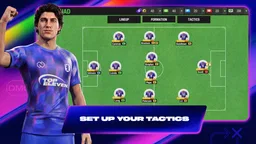
The key pleasure is thinking ahead. Rather than relying on quick reflexes, I find the more interesting question is whether the decisions I make before a fixture add up to a coherent approach. A useful habit is to check the squad with a specific goal in mind—such as improving balance or preparing for the next opponent—instead of making changes just because a menu is available. That keeps the management layer from turning into aimless tapping.
Why the manager perspective works
Top Eleven is strongest when it makes preparation feel meaningful. A fixture becomes a small test of judgment: have I put together a lineup that makes sense, and am I willing to stick with a plan rather than constantly second-guessing it? That kind of decision-making gives the game a different texture from football titles built around direct player control. The reward is less about executing a perfect move with your hands and more about feeling that your choices helped shape the outcome.
That structure also makes it easier to fit into a day than a full match-focused game, provided you are comfortable checking in around the management loop. For example, on a commute I might open the game to review the squad and make one deliberate adjustment, then leave the deeper decision-making for a quieter moment. The useful distinction is between a quick check and a complete play session: a short visit can maintain your routine, but it may not deliver the same satisfaction as sitting down to consider the team properly.
My practical advice is to avoid treating every decision as urgent. Pick one or two priorities for a session, make the changes that support them, and then let the fixture provide feedback. This gives you a clearer sense of what your choices accomplish than changing several things at once. It is a small way to make the management side feel like strategy rather than a string of disconnected adjustments.
Where the experience can become a chore
The same long-term structure that gives the game its appeal can create friction. If you want to start the app, play a complete match through direct control, and leave, a manager-led format may feel too removed from the action. The satisfaction depends on caring about preparation and progress; without that interest, checking in can start to resemble upkeep. I would not recommend it as a substitute for a football game whose main attraction is immediate, hands-on play.
There is also a difference between enjoying a management choice and feeling nudged to keep up with a routine. When a game asks for repeated attention, a busy week can make the habit less enjoyable. My way around that is to decide in advance how often I actually want to check in, rather than letting every notification or available action dictate my schedule. If you prefer games that remain equally rewarding after long gaps, this is worth considering before you commit.
Purchases are another point to think about. The game is free to start, but it offers in-app purchases ranging from $0.49 to $249.99 per item. That broad spread makes it sensible to set a personal spending limit before playing, especially if you are competitive and feel tempted to accelerate progress. I would first see whether the basic management loop holds my attention without paying; if it does not, spending is unlikely to fix the underlying mismatch.
Its Everyone age rating makes it broadly accessible, but that does not mean every player will enjoy the same parts of it. A younger football fan may like the idea of running a club, while someone who wants an arcade-style match could find the managerial emphasis less exciting. The rating is useful context for suitability, not a guide to the amount of patience or planning the game asks from you.
How it compares with other football games
Compared with football games centered on controlling players directly, this one puts more weight on decisions made around the pitch. That is a meaningful trade-off, not a lesser version of the same experience. If you get pleasure from shaping a squad and seeing how preparation plays out, Top Eleven has a clear identity. If your favorite part is timing a tackle, threading a pass yourself, or scoring through direct input, a more action-led football game will probably be a better use of your time.
It also differs from management games that are chiefly about detailed simulation or extended, uninterrupted sessions. Top Eleven’s more approachable mobile framing can make it easier to revisit in short windows, but frequent check-ins are not automatically convenient. A game that is easy to open can still demand a recurring commitment. I would choose it over a hands-on alternative only when I specifically wanted the club-management perspective, not simply because I wanted football on my phone.
One useful test is to ask what you want to feel after a session. If the answer is “I made a smart adjustment and want to see how it works,” this is likely to click. If you want the immediate rush of personally controlling a match, it probably will not. That simple distinction is more helpful than judging the game by its sport label alone.
Who is likely to enjoy it most
I would recommend it to football fans who enjoy tactics, team-building, and gradual progress, especially those who like checking in briefly and returning to a club they have been shaping. It may also suit players who enjoy comparing plans and learning from results rather than expecting to win through reflexes alone. The game is free to download, runs on operating systems from version 7.1 onward, and has been available since 2011, so it is an established option for people curious about mobile football management.
I would suggest skipping it if you dislike persistent routines, want every session to have a clear beginning and end, or find in-app purchase offers distracting. It is also not my first choice for someone seeking a realistic, direct-control match experience. Those preferences are not minor caveats: they go straight to the game’s core. A player can respect the management idea and still decide that a different kind of football game is more enjoyable.
A measured recommendation
After spending time with its manager-first approach, I think Top Eleven earns its place for a particular kind of football fan: someone who likes the planning behind a club more than controlling every moment on the pitch. Nordeus has built a format with a broad audience and a clear identity, and the strongest reason to try it is that distinctive focus. The weakest reason would be expecting a conventional match game and hoping the menus somehow become the main attraction.
My recommendation is to start free, keep your early sessions focused, and notice whether preparing a team feels enjoyable in its own right. If it does, the game can become a satisfying pocket-sized management routine. If you find yourself checking in only to avoid falling behind, or wishing you could take control of the players directly, move on without guilt. The best fit is a patient football planner, not someone chasing instant on-pitch action.
With an Everyone rating and a 4.5 average, it is easy to understand why so many people have given it a chance, but I would still judge it by the rhythm you prefer. For me, its appeal is real but conditional: the managerial choices need to be the fun, not a barrier between you and the football. Try it if that sounds like your kind of game, and keep your expectations—and spending—deliberate.
What we like
- Easy-to-read match commentary keeps games engaging.
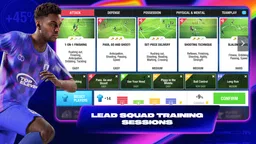
- Training sessions provide a clear way to develop players.
- Live events add fresh objectives throughout the season.
- Tactics can be adjusted to suit different opponents.
- Club customization lets managers create a distinct identity.
What could be better
- Progress can feel slow without frequent play.
- Player auctions may require careful timing and patience.
- Match outcomes can feel difficult to influence directly.
- Some upgrades and resources take time to earn.
- Online competition can be challenging for new managers.







