
NBA 2K Mobile Basketball Game review
 Analysis by Appsdrops
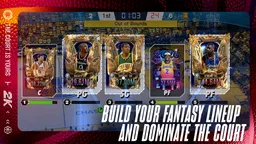
I like basketball games that let me make a few meaningful decisions in a short session, and NBA 2K Mobile Basketball Game is built around that kind of stop-and-start play. It is a free sports game from 2K, Inc., a Take-Two Interactive affiliate, centered on assembling a basketball lineup and taking it into matches, live events, and player-versus-player games. Its appeal is easy to understand: there is always another piece of team-building or another court challenge to work toward. The catch is that the more you want to compete, the more you need to manage your time, resources, and expectations.
Building a repeatable court routine
My most useful advice is to treat each visit as a small routine rather than trying to do everything at once. Start by deciding whether you want a quick match, progress through an event, or time against another player. That choice matters because the game’s different activities ask for different kinds of attention. A short session works best when I pick one goal first, play toward it, and then stop instead of bouncing between modes without a plan.
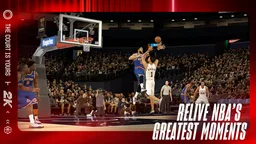
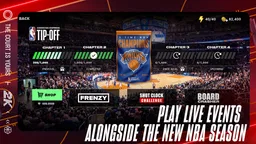
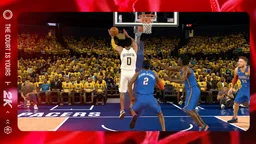
The basic loop is satisfying for basketball fans: play, improve the team, and return with a stronger lineup. The team-building layer gives matches a longer-term purpose, while real-time PVP makes the same sport feel less predictable than playing against the game alone. Live events and moments inspired by basketball history add variety around that core. I would not approach those activities as interchangeable, though. Competitive play is a better fit when I want to react to an opponent, while an event is more appealing when I want a structured objective to work through.
For an everyday example, I might open the game during a break, check which activity fits the time I have, and focus on that instead of beginning a longer run I cannot finish comfortably. If I have only a few minutes, a compact session is the sensible choice; if I have time to concentrate, I can give a live match more attention. That simple distinction helps keep the game enjoyable rather than making every visit feel like another task on a checklist.
The game has been available since April 17, 2019, and its current version is 10.20.12700869. It is rated for Everyone, which makes the theme broadly accessible, although the competitive elements and in-app purchases are still worth considering for younger players. The game is free to start, but purchases range from $0.49 to $199.99 per item. I recommend deciding in advance whether you are comfortable spending before playing, rather than treating a purchase as the default solution whenever progress slows.
Settings that shape a match
Before settling into regular play, I would spend a little time testing the available control and presentation settings. A basketball game can feel very different depending on how comfortable its controls are for your hands and how much of the screen you want to devote to the action. Rather than copying another player’s setup, try a brief session, notice which actions feel awkward, and change one thing at a time. That makes it easier to tell whether a setting helped or whether the problem was simply unfamiliarity.
This is especially useful if you switch between playing casually and taking PVP seriously. In a relaxed match, a control scheme that feels intuitive may matter more than one that gives you the most deliberate input. Against a live opponent, missed or rushed actions are more frustrating, so consistency becomes valuable. I would settle on a comfortable setup before competing, then avoid changing it in the middle of a run unless something is clearly getting in the way.
It is also worth checking how the game presents its match information and event objectives. When I know what an activity is asking me to accomplish before I begin, I can choose a suitable lineup and avoid spending a session chasing the wrong goal. This is a small habit, but it turns the game’s variety into an advantage: instead of treating every mode as another place to grind, I can use each one for a particular reason.
I would not promise that a settings adjustment will make someone instantly better. The more useful result is reducing friction: familiar controls leave more attention for reading the court and choosing what to do next. If the game feels uncomfortable at first, give yourself a few low-pressure matches to learn the rhythm before deciding whether the controls suit you. Players who dislike touch-based sports controls may still prefer a different basketball game or a console experience, where input and screen size feel different.
Small habits that save time
One effective habit is to check the event goal before spending time on a match. It helps me avoid playing on autopilot when a specific objective would call for a different approach. Another is to keep a clear priority for team development: decide which improvement matters most to your current lineup, then direct your attention toward that rather than chasing every available reward. These are not secret shortcuts; they are ways to make the game’s existing activities feel more deliberate.
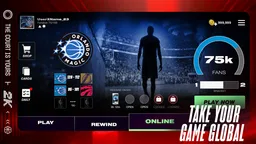
A second useful pattern is to separate practice from competition. When I am learning how a lineup feels or getting used to a control choice, I prefer a lower-pressure session. When I want the challenge of a human opponent, I can then focus on decisions rather than experimenting with the basics. Real-time PVP is a genuine attraction here, but it also makes an uneven or rushed session more noticeable. Going in with a settled plan is more rewarding than expecting each match to be a perfect test of skill.
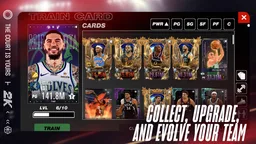
Team-building benefits from patience. Rather than assuming that the newest addition automatically fixes a lineup, I would think about whether it improves the way I actually play. A roster decision is useful when it supports a role or approach I rely on; otherwise, it can become another distraction from the matches themselves. This is a practical trade-off for anyone drawn to collecting and upgrading: the collection side can be enjoyable, but it is easy to spend more time planning than playing if every option becomes a priority.
The game’s reported average rating is 4.7 from around 599,000 ratings, and it has passed 10 million installs. Those figures suggest that it has found a substantial audience, but they do not answer the personal question that matters more: whether its mix of match play, team progression, and competitive pressure fits your taste. I would use the rating as context, not as a promise that every session will feel balanced or that the game will suit someone who only wants a simple, offline-style basketball experience.
Where the competitive loop can feel demanding
The strongest parts of NBA 2K Mobile also create its main limitation. There is a lot to think about beyond the next possession: lineup choices, events, and progression all compete for attention. If you enjoy working toward a stronger team, that structure gives you reasons to return. If you mainly want to play a straightforward basketball match without managing a longer-term loop, the surrounding systems may feel like overhead rather than added depth.
Live competition is not always the best choice for a casual session. A real opponent can make a match more exciting, but it also means you cannot expect the same calm pace as a solo activity. If you are tired, distracted, or still getting used to the controls, an event or a practice-minded session may be a better use of your time. This is one reason I would not judge the whole game from a single competitive match: the different activities serve different moods.
In-app purchases are another consideration. Since the game is free to begin and offers items from $0.49 to $199.99, the spending range is broad enough that players should set their own boundaries. I would not buy something simply because a session feels slow or because another player seems to have a stronger team. Enjoyment should come from the basketball and the goals you choose, not from feeling pressured to pay to keep up. Parents may want to supervise purchases even though the age rating is Everyone.
There is also a platform trade-off. On a phone, the game’s pick-up-and-play structure is convenient, but a smaller screen and touch controls are not everyone’s preferred way to play sports games. Someone looking for the deepest simulation, a dedicated couch experience, or a purely offline game may be happier with a different option in the basketball category. NBA 2K Mobile makes more sense for players who want mobile matches tied to ongoing team development and the possibility of facing other people.
Who will get the most from it
I would recommend it to basketball fans who enjoy both the action of a match and the gradual decisions around building a team. It is also a good fit for people who like variety: live events provide changing goals, while PVP offers a human challenge when they want one. The game’s 10 million-plus installs and 34,000 reviews show that it has a broad mobile audience, but the right player is still someone who enjoys a repeatable progression loop rather than only looking for a quick, one-off game.
I would be more cautious about recommending it to someone who dislikes competitive play, does not want to manage upgrades, or prefers games with no purchase prompts. A younger player can enjoy the basketball theme, but the purchase range makes household spending rules sensible. And if you mainly want a pure simulation where the management layer is secondary, it is worth comparing it with other basketball titles before committing your time.
For a new player, my practical starting approach is simple: learn the controls in a low-pressure session, inspect the objective before choosing an activity, and give your team one clear development priority. Once that routine feels natural, try PVP when you want a tougher test. This avoids the common trap of treating every mode and every possible upgrade as equally urgent, and it gives you a clearer sense of which parts of the game you genuinely enjoy.
A measured recommendation
NBA 2K Mobile Basketball Game works best when I approach it as a mobile basketball habit: choose an activity that fits my time, play with a purpose, and keep team-building focused. Its combination of live events, historical moments, and real-time competition offers more variety than a basic match-only sports game, while the long-term progression gives regular sessions a reason to connect. That variety is a strength, but it also asks the player to manage attention and, potentially, spending.
My verdict is positive for fans who want basketball on their phone and enjoy improving a lineup over time. The free entry point makes it easy to try, and its large audience is encouraging, but neither removes the need to decide whether its competitive and progression-focused style suits you. If you want quick matches with a little strategy around the edges, it is worth a look. If you want an uncomplicated, purchase-free, or deeply simulation-focused alternative, I would choose something closer to that preference instead.
What we like
- Smooth controls make it easy to move players and take shots.
- Live events offer fresh challenges and rewards throughout the season.
- Collecting cards gives players a clear path to build a stronger roster.
- Quick matches suit short play sessions.
- A range of NBA stars and teams adds variety to lineup building.
What could be better
- Progress can slow down when upgrade materials become scarce.
- Some rewards and features encourage in-app purchases.
- Online matches may feel uneven when opponents have stronger lineups.
- A stable internet connection is needed for many features.
- Repeated event formats can make long-term play feel routine.







