
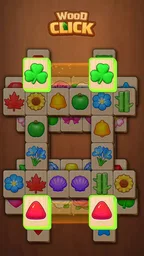
Click Wood review
 Analysis by Appsdrops
When I want a quiet break rather than a game that demands constant attention, a simple board puzzle can be just the thing. Click Wood presents itself as wooden mahjong with large tiles and calm gameplay, a straightforward pitch that puts relaxation ahead of spectacle. Its appeal is easy to understand: familiar-looking tiles, an uncluttered premise, and a style meant to make a few minutes of play feel easy to fit into the day.
A calm take on wooden mahjong
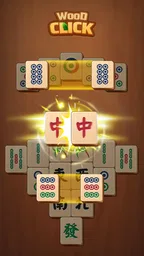
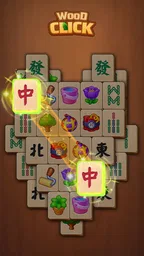
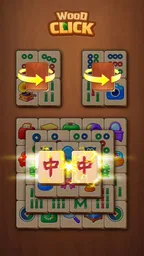
As a board game, Click Wood is aimed at players who enjoy a measured pace and visual puzzles. The wooden theme gives the game a warm, tactile identity, while the promise of big tiles suggests a presentation designed to keep the pieces easy to see. I like that the concept does not try to dress itself up as something more complicated than it is. It sets an expectation of relaxed mahjong-inspired play, which is a useful starting point for anyone browsing for a casual puzzle.
The game is free to download, and it is rated for Everyone. That makes it approachable for a broad audience, including people who simply want to try a new puzzle without paying up front. Heartsnet is the developer, and the current version is 1.11.2. The game was released on January 30, 2026, and requires Android 7.0 or later. Those details make it easier to judge whether it fits your device and expectations before you install it.
There is also a sizeable player community around the game: it has passed five million installs and has an average rating of 4.6 from around 80,000 ratings. Those figures suggest that Click Wood has found an audience, though popularity alone cannot tell you whether its pace or presentation will suit your taste. I would treat them as useful context, not a substitute for deciding whether a calm wooden mahjong game is what you want.
What the game’s pitch gets right
The strongest part of the concept is its clarity. “Wooden mahjong with big tiles and calm gameplay” tells me what kind of mood the game is aiming for without promising a sprawling adventure or a competitive challenge. For players who enjoy a game that feels gentle and visually legible, that focus is appealing. It also makes Click Wood easy to distinguish from board games built around fast reactions, elaborate stories, or head-to-head pressure.
That simplicity can be a real advantage when you are choosing a game for short breaks. A relaxed puzzle is easier to approach when you do not want to learn a long list of systems before getting started. I can see Click Wood working best for someone who wants to settle into a familiar kind of tile-based activity and enjoy the process at their own pace. The emphasis on large tiles is especially relevant to the experience: clear pieces can make a board easier to read and keep attention on the puzzle rather than the interface.
Progress without assuming pressure
With any puzzle game, progression can affect whether a relaxing idea stays relaxing. Some players like a steady sense of accomplishment; others prefer a game that lets them focus on the individual puzzle in front of them. Click Wood’s calm positioning gives it a promising tone, but it does not by itself establish how stages are arranged, how difficulty changes, or whether the game adds timers or other challenges. I would not assume those details from the theme alone.
That distinction matters because “calm gameplay” is a mood promise, not a complete explanation of the rules. If you are choosing a game specifically to unwind, it is reasonable to pay attention to how you respond to its actual pace after installing it. The concept points toward a low-pressure experience, but your enjoyment will depend on the puzzles and progression you encounter. I prefer to judge a game by that practical experience rather than inventing a particular level structure or claiming that every session is stress-free.
For players who enjoy the ritual of looking over a board and making deliberate choices, the premise has a natural appeal. It sounds suited to patient play rather than reflex-driven action. That can make a difference if you are looking for a relaxing mahjong game to keep on your device for occasional downtime. At the same time, players who need a strong sense of competition or a complex progression system may want to decide whether this understated style is enough for them.
Spending and purchase context
Click Wood is free to install, with in-app purchases priced from $1.99 to $9.99 per item. That is the clearest purchase context to keep in mind. You can begin without an upfront purchase, while optional paid items are available inside the game. The presence of those purchases does not, by itself, tell me what they contain or how much they affect play, so I would avoid treating them as either essential or purely cosmetic without seeing their descriptions in the app.
For a fair decision, I would separate the download price from the in-game spending question. Free access gives you a chance to try the game’s look and feel before deciding whether it belongs in your routine. If you are cautious about spending, check each purchase prompt carefully and use your device’s purchase controls in a way that suits you. That is sensible advice for any game with paid items, not a claim about how Click Wood handles purchases or whether it encourages them.
There is no need to spend simply because a game offers optional purchases. The useful question is whether the free experience gives you the kind of calm board play you wanted. If it does, you can enjoy that value without assuming that a paid item is required. If a purchase catches your eye, take a moment to read its in-game description and price before confirming. This is a practical way to keep control of your entertainment budget while still giving a free-to-start game a fair chance.
Fairness and the solo-player question
Fairness can mean different things in a board game. In a competitive title, players may care about equal access to tools and whether purchases create an advantage. In a personal puzzle game, the main concern may instead be whether spending changes the challenge or simply adds convenience. Click Wood’s public-facing details establish that it offers in-app purchases, but they do not explain their effect on gameplay. I would not label the game pay-to-win or claim that purchases are irrelevant without that information.
The game’s relaxed mahjong framing may appeal more to people seeking a personal puzzle session than to those looking for a ranked contest, but the format alone does not prove whether multiplayer or competitive features exist. So my fairness verdict has to stay measured: the purchase range is clear, while the relationship between those purchases and gameplay is not. If that relationship is important to you, inspect the in-game purchase descriptions before spending and decide whether the terms feel acceptable.
For a casual player, fairness also includes whether the game respects the mood it advertises. A calm visual style is a good start, but the full experience depends on the way play unfolds. I would give Click Wood credit for a focused, low-key identity, while keeping expectations realistic until I had experienced its puzzles and any purchase prompts firsthand. That balance is more helpful than either praising it as completely pressure-free or criticizing it based on assumptions.
What to check before settling in
Some details matter more to one player than another. If you care about offline play, accessibility options, ads, account requirements, or how progress is saved, look for those details in the game and its app-store information before making it part of your routine. I am not treating any of those features as present or absent; they are simply the kinds of practical questions that can shape whether a casual game works well for you.
The same goes for content beyond the main puzzle idea. A game can have a clear theme and still differ from what a particular player expects in its session length, board variety, or difficulty curve. The safest approach is to use the free download as an opportunity to see whether the presentation and pace feel right, then review any purchase prompts on their own terms. That gives you a grounded impression without relying on guesses.
Click Wood’s broad age rating and large audience make it easy to consider as a general-interest puzzle, but individual preferences still matter. Large tiles and a wooden look may be appealing if you value a readable, cozy presentation. If you prefer dramatic visuals, a deep strategy layer, or competitive stakes, the game’s understated pitch may not be the main attraction for you. Neither response is wrong; it is simply a matter of choosing a game that matches the kind of break you want.
Who may enjoy Click Wood
I would point casual puzzle fans toward Click Wood if they are curious about a calm, mahjong-inspired board game with a wooden style. Its main draw is the combination of a familiar tile-based concept, prominent pieces, and an explicitly relaxed mood. It may also suit someone looking for a free game to try in spare moments, provided they are comfortable checking the optional purchase details for themselves.
On the other hand, anyone who wants firm assurances about competitive balance, a particular progression system, or the exact role of paid items should make those points part of their own pre-install check. The game’s theme is easy to grasp, but a theme should not be mistaken for a full description of every mechanic. Keeping that in mind helps set fair expectations and avoids disappointment based on features the game has not promised.
There is a reassuring straightforwardness to this kind of product. Click Wood is not presenting itself as a sprawling, high-pressure game; its identity is centered on wooden mahjong and calm play. For me, that clear positioning is the most compelling reason to give it a look. Whether it becomes a regular pick depends on how its puzzles feel in practice, but the premise is an inviting one for a quiet gaming break.
My final take
Click Wood makes a simple, appealing promise: a relaxed board-game experience built around wooden mahjong and big tiles. Its free entry point, Everyone rating, and established player base give it broad appeal, while the optional purchases mean it is worth paying attention to spending prompts rather than tapping through them automatically. I appreciate the focused concept and the calm tone it aims for.
My recommendation is measured but positive for players who want an easygoing puzzle rather than a competitive spectacle. The game’s strengths are its clear identity and approachable presentation; the key practical question is whether its actual puzzles suit your preferred pace. Try it with those expectations, review any purchase descriptions before paying, and decide based on the experience you get. For a low-key wooden mahjong game, Click Wood is an inviting option to explore.
What we like
- Simple rules make the game easy to pick up.
- Wooden visuals create a calm and uncluttered look.
- Short rounds suit quick play sessions.
- Increasing difficulty offers a steady challenge.
- Offline play is useful when you have no internet access.
What could be better
- Ads may interrupt play between rounds.
- Later levels can feel repetitive.
- A single mistake may force you to restart.
- The challenge may feel too simple for experienced puzzle fans.
- Some stages rely on trial and error.







