

Chess Master: Board Game review
 Analysis by Appsdrops
Chess has a way of making a simple board feel like a whole world of possibilities. Chess Master: Board Game leans into that familiar appeal with a clear promise: become a chess master. It is a free board game from One Way Street Entertainment, and its appeal rests on the game’s enduring mix of careful planning, sudden reversals, and satisfying decisions. I find that focus refreshing: rather than needing an elaborate premise, chess gives every move a reason to matter.
A familiar board, a focused first impression
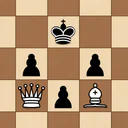
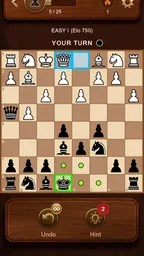
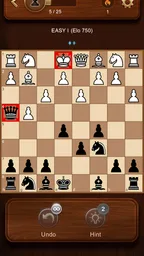
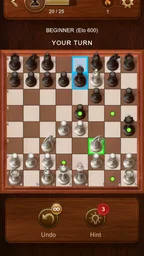
As a mobile chess game, Chess Master: Board Game is easy to understand at a glance. The board and pieces are the center of attention, and the rules are the language that carries the experience. That makes it approachable for someone who already knows chess, while the master-focused framing gives newer players an inviting goal to work toward. The concept is straightforward, but chess itself is anything but shallow.
The first impression is shaped by restraint. A chessboard does not need a sprawling fictional setting to create tension; the changing position of the pieces does that work. Each move alters the shape of the contest, and even a quiet stretch can feel charged when both sides are weighing their options. I like that the game’s identity is rooted in a pastime people can recognize immediately, rather than in a story that would compete with the board for attention.
That simplicity also helps the game fit naturally into a phone or tablet routine. Chess can be approached as a brief mental exercise or as a longer session spent considering a position. The underlying game supports both moods because its pace comes from the players’ choices. You can take a moment to think, reassess the board, and decide whether a move is worth the risk. For me, that makes it a good match for players who want a deliberate game rather than a stream of rapid distractions.
A classic mood without extra clutter
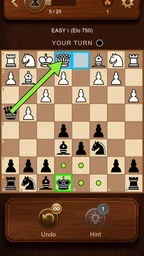
The visual language of chess is unusually strong: alternating squares, recognizable pieces, and a board whose meaning is clear before the first move. That shared visual vocabulary gives Chess Master: Board Game an immediate point of entry. You do not have to learn a complicated fictional world before you can understand what is happening. The board itself is the setting, and every piece has a role that is easy to identify.
Because the game’s central image is so familiar, the most important artistic choice is clarity. A chess game depends on reading the position accurately, so visual presentation should support concentration rather than pull it away. The board is not merely decoration; it is the surface on which the whole contest unfolds. I appreciate how naturally this kind of game can create a composed atmosphere: the orderly grid encourages attention, while the pieces give that order a competitive purpose.
The setting also keeps the experience grounded. There is no need for a larger narrative to explain why a move matters. A pawn advancing, a piece changing direction, or a king coming under pressure can reshape the position on its own. That is one reason chess still feels so expressive after generations of play. The board looks still, but the possibilities are constantly shifting beneath that calm surface.
Sound and the rhythm of thought
Chess is a game in which pauses are part of the action. A player may make a move quickly, then spend much longer examining what the opponent could do next. That stop-and-start rhythm is not a weakness; it is the texture of a thoughtful match. Chess Master: Board Game benefits from the same quality, because the tension comes from anticipation as much as from movement. The moment before a decision can be just as engaging as the decision itself.
Sound in a board game has a delicate job. It can make an interaction feel tangible, but it should not overwhelm the concentration that chess asks for. I think the strongest mood for a chess experience is one that leaves room for the player’s own thinking. When the board remains the focus, the quiet stretches become useful rather than empty: they give you time to trace threats, compare options, and notice a possibility you might have missed on first glance.
This measured pace also makes the game feel different from action-oriented mobile titles. There is no need for constant escalation when a single move can change the balance of a position. Chess rewards patience, and a good session often includes moments where the best thing to do is stop and look again. I enjoy that slower cadence because it makes the game feel intentional. The player is not just reacting to a sequence of prompts; they are actively shaping the course of play.
For anyone approaching chess as a way to unwind, that rhythm can be a pleasant change of pace. It is mentally engaging without requiring a noisy or complicated presentation. For someone who enjoys a challenge, the same pauses become opportunities to think several moves ahead. The game’s mood is therefore flexible: relaxed when you want a calm board-game session, more intense when the position becomes difficult to solve.
Why the mechanics hold the experience together
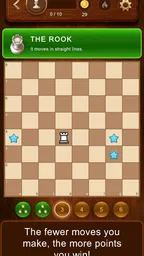
Chess has a remarkably compact set of rules, yet those rules produce an enormous range of decisions. Every piece moves in a defined way, but the meaning of a move depends on the entire board. A player has to balance attack, defense, space, and the safety of the king. That is the mechanical strength behind a title built around chess: the system is easy to recognize, but mastery takes time, observation, and practice.
The promise to become a chess master is especially appealing because it describes a journey rather than a one-time unlock. Improvement in chess often comes from learning to see more clearly. You begin to recognize familiar patterns, anticipate consequences, and avoid moves that looked tempting only a moment earlier. I find that kind of progress rewarding because it belongs to the player. A better decision is not just a score on a screen; it reflects a more thoughtful understanding of the board.
At the same time, a chess game has to respect the integrity of its central mechanics. Players come to the board expecting a contest of legal moves and strategic judgment. That expectation is what makes the format so durable. Whether you are a casual player returning to the game or someone who studies positions closely, the same basic rules offer room to engage at your own level. It is a welcoming foundation without being a simplistic one.
Chess Master: Board Game is categorized as a board game, and that description suits its identity. It does not need to disguise chess as something else to make it engaging. The pieces, the grid, and the turn-by-turn decisions are enough to sustain a match. For me, that is a strength: the game’s mechanics and its mood point in the same direction. A calm presentation fits a contest that asks you to think, while the competitive stakes keep that calm from turning bland.
It is also a useful choice for different kinds of players. Beginners can focus on understanding how the pieces work and what makes a position safe. More experienced players can look for deeper plans and try to anticipate a sequence of replies. The game’s central challenge does not need to change for those groups; chess naturally offers different levels of depth depending on how much attention a player brings to it.
A broad audience for a timeless contest
Chess Master: Board Game is rated for Everyone, which fits the broad, familiar nature of chess. It is a game people can discover at different ages and continue returning to as their skills develop. Its audience is also reflected in its scale: it has more than ten million installs and an average rating of 4.8 from around 382,000 ratings. Those figures suggest that the game has reached a substantial community, while the recognizable rules help explain why chess translates so well to mobile play.
The game was released on June 2, 2023, and its current version is 12.33. It is free to play and supports Android 7.0 and later. I mention those details because they help set expectations for someone deciding whether to try a mobile chess game, but the more important point is that the central appeal is not tied to a passing trend. Chess remains the reason to open it: a clear board, a set of rules, and an opponent whose next move you have to anticipate.
For searchers looking for a free chess game for Android, the simple format is part of the attraction. There is no learning curve around an unfamiliar genre before the real challenge begins. If you know chess, you can settle into the contest; if you are learning, the promise of becoming stronger gives each match a useful purpose. Either way, the game is built around a form of play that can be as casual or demanding as you make it.
Where the atmosphere finds its balance
The most coherent thing about Chess Master: Board Game is how naturally the pieces of its identity align. The board offers a quiet setting, the rules create meaningful decisions, and the measured pace gives those decisions room to breathe. The title’s master-focused message adds a sense of aspiration without needing to turn the experience into a story-driven adventure. It keeps the mood centered on the player’s relationship with the game: look, think, move, and learn from what follows.
That balance is what I would point to when recommending it. It is not the kind of game that depends on spectacle to hold your attention. Its appeal comes from the mental space it creates and the way a familiar position can suddenly become complicated. One move can open a route, weaken a defense, or make you reconsider the whole plan. Those moments give the board a quiet drama that feels earned rather than forced.
There is something satisfying about a mobile game that trusts its underlying activity. Chess already has tension, variety, and a clear reason to keep improving. A focused presentation lets those qualities remain visible. If you are looking for a board game that encourages patience and careful choices, this one has a strong foundation. If you are already a chess fan, its appeal is even more direct: it brings the familiar contest into a convenient digital form.
My overall take
Chess Master: Board Game is at its best when it lets chess be chess. The board provides a recognizable visual setting, the turn-based rhythm supports concentration, and the mechanics give every match room to develop in its own way. I like the composed mood it suggests: there is enough tension to keep you invested, but the experience still leaves space to think rather than demanding constant reaction.
It is a sensible pick for newcomers who want a clear entry point into chess and for returning players who simply enjoy the game’s lasting strategic appeal. Its strong community reach adds reassurance, while the free price makes it easy to consider as a casual download. Most of all, the master-oriented promise feels fitting because chess rewards learning over time. You do not need a complicated world around the board when the next move already offers a fresh puzzle.
If your idea of a good mobile game includes quiet concentration, recognizable rules, and room to improve, Chess Master: Board Game is worth a look. I see it as a straightforward, inviting way to spend time with one of the most enduring board games around. The atmosphere stays focused, the pacing belongs to the player, and the mechanics remain the main event. That combination gives the game a calm but compelling character—and makes each new position feel like a chance to think a little better.
What we like
- A familiar chess layout makes the board easy to read.
- Short matches fit comfortably into a quick break.
- Chess rules make it accessible to players with prior experience.
- The game provides a low-pressure way to practice tactics.
- It offers a focused alternative to more visually busy games.
What could be better
- New players may need guidance on chess rules and notation.
- The experience can feel repetitive without varied challenges.
- Small screens may make precise piece selection less comfortable.
- Players seeking fast action may find chess too slow.
- Match quality depends on the available opponent options.







