



Bingo Voyage - Live Bingo Game review
 Analysis by Appsdrops
I think Bingo Voyage makes the most sense as a relaxed, repeatable bingo game: open it when you have a few spare minutes, follow the called numbers, and decide how much attention you want to give each round. Its appeal is less about changing the familiar rules than about making digital bingo easy to dip into. If you enjoy keeping an eye on several cards and like the possibility of a larger jackpot, it is worth a look. If you want a quiet, strictly offline pastime or dislike in-game spending options, you may prefer a simpler alternative.
How a round fits into a spare moment
This is a board game from VERTEX GAMES PTE. LTD., built around bingo rather than a broad collection of unrelated activities. That focus is useful: you can arrive knowing what you want to do, rather than first learning a complicated ruleset. The core rhythm is familiar—watch the numbers, check your cards, and respond as the round develops—so newcomers can settle in without a long tutorial-style commitment.
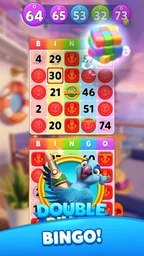
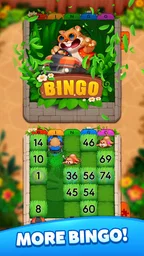
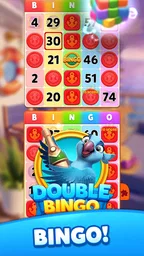
The practical question is how much attention you can give it. A single card suits a short break when you want to follow every call carefully. More cards create a busier session and make the game’s multi-card appeal more apparent, but they also demand more scanning. I would start modestly, learn the pace, and add cards only when checking them feels comfortable. That small adjustment can make the difference between a satisfying round and a hectic one.
A realistic use case is a commute or a quiet wait, provided you are not doing anything that needs your attention. Bingo is easy to pick up, but keeping track of several cards is not something I would recommend while walking through a crowded area, working, or trying to listen closely to someone. For an evening wind-down, a shorter session may be more enjoyable than chasing one more round after your attention has faded.
The game’s store description emphasizes a large player community and a substantial jackpot. Those ideas make the experience sound lively, but I would treat the jackpot as an exciting possibility rather than a reason to play or spend. Bingo still depends on chance; careful checking can help you avoid missing a number, but it cannot make a win predictable. That is an important distinction if you are coming from a strategy-heavy board game.
Build a comfortable baseline before adding cards
My preferred starting habit is simple: choose a manageable number of cards, settle into the calling rhythm, and check each card in the same order. A consistent scan—left to right, then the next card—reduces the chance of jumping around and overlooking a mark. Once that feels automatic, handling a busier board becomes less intimidating. This is a general way to stay organized, not a special feature the game promises.
It also helps to decide before a session whether you are playing casually or giving the round your full focus. When I am only half paying attention, I keep the workload low rather than assuming that extra cards will make the session more rewarding. If you notice that you are missing calls, that is a useful signal to reduce the pace of your own play or take a break, not to push harder.
Check the choices that affect your routine
Before settling into repeated sessions, I recommend looking through the game’s available settings and controls in the app itself. Confirm what can be adjusted for comfort, such as sound or other presentation options if they are offered, and make sure the way you interact with cards is easy to follow. I would not assume that every convenience setting is present; the useful habit is to check rather than spend a whole session adapting to an option you could have changed.
For a first session, keeping distractions low makes it easier to understand the game’s timing and card layout. If the audio competes with your surroundings, adjust it or play somewhere quieter; if visual scanning is tiring, use fewer cards. These are practical ways to make the experience fit your situation without relying on unconfirmed controls or claiming that one configuration works for everyone.
It is also sensible to check the purchase flow before tapping through any offer. The game is free to download, while in-app purchases range from $0.79 to $199.99 per item. That broad span makes a clear personal spending limit worthwhile, especially if you are playing casually and do not want a session to turn into an unplanned purchase. I would treat optional items as optional and never regard spending as a way to secure a win.
Repeatable habits for faster, calmer play
Experienced bingo players often gain more from consistency than from frantic speed. Keep your eyes moving through cards in a fixed sequence, and avoid switching between screens or other tasks during a round if you are trying to follow several cards. A repeatable scan is particularly useful when the calls come close together: instead of searching randomly, you know where your attention goes next.
Another helpful pattern is to increase complexity gradually. Play a few rounds with a lighter card load, then add another only if you can still follow the calls without feeling rushed. If the game’s available options let you select the number of cards, use that choice as a comfort setting, not as a challenge to maximize every round. If they do not, keep your focus on the controls and pace actually available to you rather than expecting a particular customization.
For a short break, decide on a natural stopping point before you begin. That could be the end of a round or simply the moment you need to return to what you were doing. This habit is more useful than trying to make every session longer: it keeps a quick game from eating into a commute, a work break, or bedtime. It is especially relevant when the promise of a jackpot makes it tempting to continue after you have stopped enjoying the play itself.
These routines do not change the random nature of bingo. They help with attention and comfort, not odds. If you enjoy the small task of checking cards and reacting to calls, that process can be satisfying even when a round does not end in a win. If the only enjoyable outcome for you is winning, the uncertainty may make this a poor match.
Where the format has limits
Multi-card play is the clearest trade-off. It can make a round feel more active, but every additional card increases the amount of information you must track. People who prefer slow, deliberate turns or who find small details hard to follow may be happier with a basic bingo app that keeps the session deliberately simple. Likewise, anyone seeking deep tactical decisions, a long campaign, or a board game that rewards planning over chance should look elsewhere.
The social scale suggested by the game’s large audience may appeal if you like the feeling of joining a busy bingo environment. It may be less appealing if you want a private game with no competitive atmosphere. I would also avoid assuming that a jackpot-focused presentation means a dependable reward: a large prize is not a reliable outcome, and no number of purchases can guarantee one.
Its age rating is Everyone, which makes the theme broadly approachable, but that does not remove the need for household spending boundaries. If a child will play, I would review purchase access together and explain that in-app items cost real money. Adults who prefer games with no optional spending at all may be more comfortable choosing a version that does not include purchases.
The game is free to install, and its current version is 1.58.8. It was released on January 23, 2024, and requires Android 7.0 or later. On the store, it has a 4.8 average from around 194,000 ratings, with over 5 million installs and around 7,700 written reviews. Those figures suggest that it has found a substantial audience, but popularity cannot tell you whether its pace, purchase options, or card load will suit your own habits.
Who I would recommend it to
I would suggest Bingo Voyage to someone who already likes bingo, wants an easy game to revisit, and is comfortable concentrating on number calls. It can work well for a few minutes of casual play, especially if you prefer familiar rules and the added challenge of watching more than one card. The board-game format also makes it approachable for someone who does not want to learn a complex system before starting.
I would skip it if you need guaranteed offline play, dislike chance-led outcomes, or want a strategy game where decisions reliably shape the result. I would also pass if purchase prompts make free-to-play games frustrating for you. A traditional paper bingo session may be a better fit for a group around a table, while a simpler digital bingo game may suit someone who wants less stimulation and a more minimal presentation.
My verdict is that this is best enjoyed with a light touch: begin with a comfortable number of cards, check the settings and purchase choices before settling in, and use a steady scanning routine. That approach makes the game easier to follow without pretending there is a trick to winning. With a 4.8 average and a large player base, it clearly attracts bingo fans, but the right question is whether you enjoy the process as much as the chance of a jackpot. If you do, it is an accessible way to fit bingo into a spare moment; if you want certainty, deep strategy, or a no-purchase environment, another kind of game will serve you better.
What we like
- Live bingo rooms create a lively shared experience.
- Multiple rooms offer variety for different play styles.
- Bright visuals make numbers and cards easy to follow.
- Quick rounds suit short play sessions.
- Social features add interaction beyond calling numbers.
What could be better
- Live rooms may feel busy for players who prefer quiet games.
- Progress can depend on joining rooms at the right time.
- Small text may be hard to read on compact screens.
- Frequent sessions can require a reliable internet connection.
- The bingo format may feel repetitive over time.







