



Bingo Blitz™️ - Bingo Games review
 Analysis by Appsdrops
Bingo Blitz™️ works best when I treat it as a lively, travel-themed spin on familiar bingo rather than a faithful recreation of a quiet hall. The appeal is the combination of quick number-marking, social play, and a steady sense of collecting and progressing. That mix gives a short break more momentum than a plain bingo app, though it also makes the experience busier and more reliant on in-game rewards. If you enjoy bingo with a game-like layer around it, I can see the attraction; if you want an uncluttered card and nothing else, this is not the version I would reach for first.
Why the travel-and-collection loop works
At its core, this is a board game built around bingo, but its personality comes from framing play as a journey. The changing destinations and collectible goals give each session a reason to feel connected to the next one. I like that structure for casual play: I can open the game for a few rounds, make some progress, and stop without needing to commit to a long strategy session.
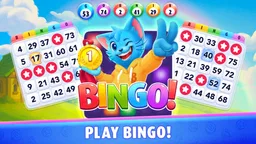
The format suits the small decisions bingo naturally creates. You watch the called numbers, mark the relevant spaces, and decide how much attention to give the round as it unfolds. The extra travel and collection framing makes that simple routine feel less repetitive than playing the same bare card repeatedly. It does not transform bingo into a tactical puzzle, and it should not be mistaken for one; the enjoyment is in the rhythm, the anticipation of a match, and the gradual sense of movement through the game.
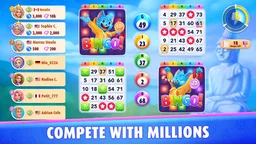
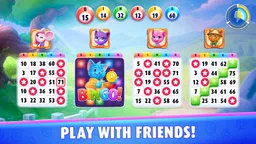
That is also where the social angle matters. Playing alongside friends can make a familiar chance-based game feel more like a shared pastime than a solo time-filler. I would recommend it to someone who already enjoys casual games with company, especially if the group is happy to compare progress and keep the mood light. The social element is a bonus rather than a reason to expect deep teamwork or competitive skill.
For a practical everyday use case, imagine having a short wait before an appointment or winding down after dinner. A few rounds can fill that gap without requiring you to learn complex controls or remember a long campaign. I would still choose a calmer offline game if I expected interruptions: bingo asks you to follow calls as they arrive, so repeatedly putting the phone down can make a round less satisfying.
Small-session play, with a reason to return
The strongest design choice is that the game gives each round a broader context. In a conventional bingo app, the card can be the whole experience; here, collecting and moving through the themed journey help the rounds feel like steps toward something. That extra layer is especially useful for players who find standard bingo enjoyable for a while but want a little more to look forward to between sessions.
My advice is to approach the collection side as a gentle nudge, not a checklist you must finish. If you focus too hard on completing every goal, a relaxed game can start to feel like housekeeping. Playing in short bursts keeps the bingo itself at the center and makes the rewards feel like a pleasant extra. That is a more comfortable way to enjoy a game whose appeal comes from repeated, low-pressure rounds.
It also helps to decide before opening the game whether you have time for a full round. The simple controls may suggest that it is ideal for any spare second, but following number calls still takes attention. I would use it during a settled break rather than while walking, multitasking, or trying to listen closely to something else. That small distinction can make the difference between an enjoyable quick session and a frustrating one.
What the bigger audience says—and what it cannot settle
Playtika Santa Monica has developed a game with broad reach: it has passed 50 million installs, and its average rating is 4.6 from around 1.4 million ratings. Those figures suggest that the blend of bingo, progression, and social play has found a large audience. They are useful context, but they do not tell me whether its busy, reward-oriented style will suit your own taste.
It is free to download, so it is easy to try without paying upfront. The important trade-off is that optional in-app purchases range from a few cents to nearly five hundred dollars per item. That wide span makes it worth setting a personal spending boundary before playing, particularly if you are prone to buying extras to keep a session moving. I would not treat purchases as a necessary part of the appeal: the best reason to play is whether you enjoy the rounds, not whether you can accelerate the surrounding progress.
The game is rated Teen, so I would not assume it is designed specifically for young children simply because bingo is familiar and easy to understand. Parents choosing games for younger players should check the age guidance and consider the in-app purchase range. For adults and teens who like casual games, the approachable rules are a strength; for anyone seeking a strictly traditional, no-frills bingo experience, the added progression and purchase options may feel like distractions.
Where the experience can become frustrating
The main limitation is the same feature that gives the game its identity: there is more going on than the bingo card. Travel themes, collecting, and rewards can make repeated play feel purposeful, but players who want to focus only on calling and marking numbers may find the surrounding layer noisy. I would choose a simpler bingo app if my priority were a clean layout, a slower pace, or a session without extra goals competing for attention.
There is also a tension between relaxed play and progression. Any game that encourages collecting can make a player feel that one more round is needed to reach the next step. That can be motivating in moderation, but it is not always what I want from a casual pastime. I recommend treating progress as optional and stopping when the bingo stops being fun. If you prefer games with a clear finish or a skill-based route to success, this loop may not offer the kind of satisfaction you are looking for.
Because bingo depends heavily on chance, I would not recommend it to someone who wants outcomes to reflect deliberate mastery. You can pay attention and make choices within a round, but the central pleasure is anticipation rather than steadily improving a competitive technique. A strategy board game or a puzzle would be a better fit for players who want every result to follow from planning and skill.
How it compares with other casual bingo choices
Compared with a basic digital bingo room, Bingo Blitz is more about the full package: the themed journey, the collection loop, and playing with friends sit alongside the cards. That gives it more personality than an app that simply reproduces a number caller and a grid. The trade-off is less purity. If your favorite part of bingo is the familiar, quiet routine, a stripped-back alternative may feel more satisfying; if you like a sense of destination and a reason to come back, this one has a clearer identity.
It also differs from many casual board games because it asks for less planning than a turn-based strategy game, yet more ongoing attention than a completely passive idle title. I see it occupying a useful middle ground: accessible enough for newcomers to understand quickly, but layered enough to reward people who enjoy tracking small goals. That makes it a good shared game for friends with mixed levels of experience, provided nobody expects a serious contest.
One useful way to decide is to ask what you want from a session. Choose this if you want familiar bingo wrapped in a continuing, social-feeling journey. Choose a standard bingo app if you want the cards without much else, and choose a puzzle or strategy game if you want agency to matter more than luck. That comparison is more helpful than judging the game only by whether it is free or popular.
Who I would recommend it to
I would put it on the shortlist for bingo fans who like collecting, light progression, and the option to play with friends. It is also a reasonable pick for someone new to mobile board games who wants rules that are easy to grasp and sessions that can fit into a break. Since it is free to download, trying it is low-commitment, as long as you keep the optional purchases in mind and do not confuse spending with enjoying the game.
I would skip it if I wanted a quiet, minimal bingo experience, if interruptions are likely to make following a round difficult, or if I am trying to avoid games that encourage ongoing collection. I would also steer a competitive player toward something more skill-driven. Those are not flaws for every player; they are signs that the game has a particular audience rather than being the right casual game for everyone.
A considered verdict
Released in 2012 and currently at version 6.09.3, Bingo Blitz™️ has the feel of an established game built around a clear idea: make bingo feel like part of a larger, social trip. Its broad popularity is understandable, because the core rounds are approachable and the collection layer gives returning players a reason to keep going. The experience is at its best when I play casually, enjoy the themed progress, and let the rewards stay in the background.
My recommendation is straightforward: try it if you want bingo with more atmosphere and ongoing goals, but go in knowing that the extras are part of the experience, not just decoration. Keep purchases optional, play when you can give the calls your attention, and stop when the reward loop starts to feel like work. For the right player, it is an inviting way to make a few spare minutes more entertaining; for someone who wants pure bingo or a game decided by skill, a simpler or more strategic alternative will be a better choice.
What we like
- Quick rounds make it easy to play during a short break.
- Frequent events add fresh goals beyond standard bingo.
- Power-ups can make tense rounds more engaging.
- Collectible items reward regular play.
- Social features let you connect with other players.
What could be better
- Progress can depend on using scarce in-game resources.
- Timed rounds may feel rushed for relaxed players.
- Some rewards require repeated play to collect.
- Online play requires a stable internet connection.
- Frequent prompts to make purchases may interrupt play.







