


Vinted: Shop & sell pre-loved review
 Analysis by Appsdrops
I think Vinted works best when you treat it as a marketplace to browse with a plan, not a magic shortcut to cheap shopping. Its appeal is the mix of second-hand browsing and direct member-to-member selling: I can look for a particular item, compare individual listings, and consider passing along things I no longer use. The trade-off is that each purchase depends on the specific seller and listing, so patience and careful checking matter more here than they do at a conventional retailer.
Where the second-hand format earns its place
Made by Vinted, this free shopping app is built around buying and selling pre-loved goods. Its community scale is a real advantage: it has passed 100 million installs, and its average rating is 4.5 from around 2.4 million ratings. That reach can make browsing feel lively, but it also means the experience is shaped by a large number of individual members rather than one shop presenting a consistent catalogue.
That distinction is useful to keep in mind. A conventional retailer usually offers predictable product pages and a standard checkout experience; Vinted is closer to browsing a collection of personal listings. The item you find may be a good match precisely because it is not a current, mass-produced option, but condition, photographs, sizing notes, and the seller’s description deserve a closer look than they might on a brand’s own store.
I find the strongest use case is searching with a clear idea of what would count as a good purchase. If I need a particular kind of garment, a specific style, or a replacement for something I already own, I can assess listings against that need instead of getting swept up by a low asking price. This approach also helps with categories where fit and condition are personal: the listing’s details matter more than a polished product image.
Browsing without a target can still be enjoyable, but it is easier to lose track of whether something is genuinely useful or merely tempting. I would save a listing mentally—or use whatever organization the current app version offers only after checking that it is available—rather than assume that every convenient shopping feature works in a particular way. The sensible habit is to compare the actual items in front of you and make decisions from their details.
How I would shop without rushing
For a realistic everyday example, imagine I want a warm layer for the colder months. Instead of buying the first appealing listing, I would check the size information against a garment I already own, inspect the photos for wear, and read the description for anything that could affect comfort or use. If the listing leaves a key question unanswered, I would ask the seller before committing, provided the app offers a suitable way to do so. A few minutes of checking can matter more than finding the lowest listed price.
This is one of the less obvious adjustments for newcomers: shopping second-hand is partly a comparison task and partly a judgment call about the person’s listing. Two items that look similar may differ in condition, fit, or completeness. I would not assume that a familiar brand name guarantees a good match, and I would not treat a brief description as a substitute for examining the available images.
Another useful habit is to decide on a personal ceiling before browsing. A low price can make an item feel like an easy win, but the relevant question is whether it is worth buying for your needs after considering the full purchase process. That rule helps prevent impulse browsing from turning into a pile of “almost right” items, especially when the appeal is novelty rather than a genuine gap in your wardrobe or household.
Selling takes preparation, not just a listing
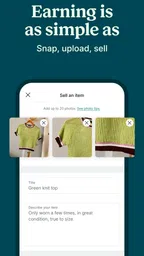
For selling, I would begin with the item itself rather than the app: check its condition, choose clear photos, and write a description that answers the questions I would ask as a buyer. Mentioning visible wear honestly is more useful than trying to make the item sound perfect. A listing is the buyer’s main evidence, so vague wording or an image that hides important details can lead to uncertainty and extra back-and-forth.
It also helps to think about the effort involved before posting. Selling an individual item means responding to interest and preparing it to be sent or handed over according to the options available in the app. That can be worthwhile if I want to clear out usable things, but it is not the same as dropping a bag at a donation point or selling everything in one bulk transaction. Someone who values speed and minimal interaction may prefer a simpler route.
The app’s scale can work both ways for sellers. A large member community gives a listing the possibility of being seen by many potential buyers, but visibility is not a promise of a quick sale. The item, its condition, the quality of the listing, and whether it suits what people are looking for all matter. I would approach selling as a practical way to give suitable belongings another chance, not as dependable income or an instant decluttering button.
What can feel less convenient
The biggest limitation is the variability inherent in person-to-person listings. Product descriptions and photos are created by individual sellers, so presentation and detail can differ considerably. That means the buyer has more responsibility for judging condition and asking sensible questions. If you want identical products, standardized descriptions, and the confidence of buying from a single established retailer, a conventional store is usually the more straightforward choice.
There is also a time cost. Searching, comparing, checking measurements or condition, and deciding whether a listing is trustworthy takes attention. For a routine purchase where any delay is frustrating, browsing a second-hand marketplace may be more work than it is worth. I would be especially cautious about using it when I need an item by a fixed date or cannot tolerate uncertainty about whether the particular listing will suit me.
Second-hand shopping also rewards flexibility. You may find something close to what you wanted rather than an exact match, and a good listing can disappear while you are deciding. I would not let that pressure me into skipping basic checks. If the item’s condition or suitability is unclear, passing is better than buying simply because it seems scarce or inexpensive.
For sellers, the friction is different: photographing and describing items takes time, and there is no guarantee that a listing will attract a buyer. People looking for a rapid, predictable way to sell several belongings may find a local resale service, a donation option, or a bulk buyer more convenient, depending on their priorities. Vinted makes most sense when you are willing to handle items individually and communicate around each sale.
Who is likely to enjoy it
I would recommend Vinted to people who enjoy looking for second-hand finds, are comfortable judging listings individually, and do not mind a little extra effort in exchange for choice. It is also a sensible option for someone who wants to sell wearable or otherwise usable items one at a time rather than discard them. The best experience comes from being clear about what you need, patient about finding it, and willing to read beyond the headline and price.
It is less suitable for shoppers who need a guaranteed match, a uniform retail experience, or a purchase with as little decision-making as possible. It may also frustrate anyone who dislikes taking photos, writing descriptions, or dealing with questions when selling. If convenience is the overriding concern, a standard retailer or a simpler local selling route could be a better fit.
The app is rated Teen, so it is aimed at an older audience than young children. Its current version is 26.41.1, and it requires Android 8.0 or later. Those details make it easier to judge basic compatibility before installing, but the more important decision is whether the member-to-member format suits your habits. The app is free to install; as with any marketplace purchase, I would still read the relevant listing and transaction details carefully before deciding what to buy.
A measured recommendation
With around 19,000 written reviews and a large, active audience, Vinted is clearly a well-established name in second-hand shopping. I would not take popularity as proof that every listing is a good deal, though. The real value lies in finding a specific item that is a sound match—or giving something you own another useful life—while staying alert to the extra judgment the format requires.
My verdict is positive, with a practical caveat: Vinted is worth trying if you value choice and reuse more than instant, standardized shopping. Go in with a shortlist, inspect listings carefully, and be honest about how much time you want to spend buying or selling. If that balance sounds appealing, the app can make second-hand shopping feel approachable; if you want a guaranteed product and a uniform store experience, another option will likely suit you better.
What we like
- Listing an item is straightforward with photos and a simple form.
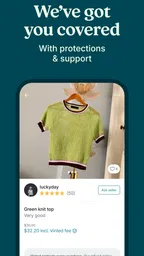
- Buyer protection can add reassurance when shopping through Vinted.
- Search filters help narrow down listings by size and category.
- You can negotiate prices through offers and direct messages.
- Shipping labels are available for many supported delivery options.
What could be better
- Availability of brands and sizes depends on other users' listings.
- Item condition can be difficult to judge from photos alone.
- Some purchases may take longer to arrive than expected.
- Selling requires time for photos and buyer communication.
- Fees and shipping costs can make low-priced items less appealing.




