

Text Number:Phone Text for Now review
 Analysis by Appsdrops
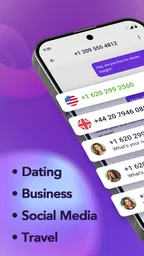
I see Text Number:Phone Text for Now as a practical option for people who want a second number for calls and texts without replacing their everyday line. Its appeal is easy to understand: it is a free communication app built around keeping another number available on the same phone. But a second-number app is only useful when it fits smoothly into the way you already communicate, so I would approach it as a separate line to manage rather than a magic substitute for every phone service.
Getting past the first-use friction
The first question I would settle is what you need the second number to do. If you want a separate contact point for marketplace conversations, one-off projects, or people you do not yet know well, this app’s basic idea makes sense. If you expect it to replace your main number for every important conversation, I would be more cautious. A second line can help separate contexts, but it also gives you another inbox and another place to check.
Text Number:Phone Text for Now is a communication app from Text Number Free text App. It is free to install, though it also offers in-app purchases ranging from $1.99 to $39.99 per item. I would treat that distinction as useful from the start: try the core experience before spending, and check the purchase details in the app store before deciding whether any paid option suits your needs.
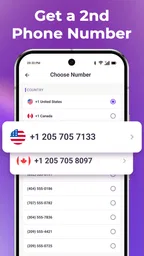
On first opening a second-number app, it is easy to rush through setup and assume the new line is ready for anything. I recommend pausing to identify which number the app is using and making a simple test exchange with someone you trust. That helps you distinguish an app setup issue from a mistake such as replying from your usual number or overlooking which line is active. It is a small habit, but it matters when you are trying to keep personal and less familiar contacts apart.
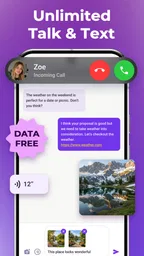
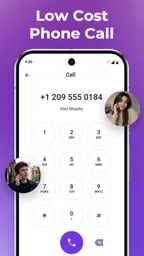
The app’s summary emphasizes texting and calling with another number, but I would not read “unlimited” as a promise that every contact, destination, network condition, or use case will behave identically. Communication apps depend on a working connection and on the other person being reachable. If a message does not go through immediately, check the basics before assuming the app has failed: confirm your internet connection, reopen the conversation, and make sure you are looking at the intended thread.
Set up a clear boundary before sharing the number
A second number is most useful when you decide what it is for before handing it out. For example, you might use it for arranging a sale with a stranger, then keep your regular number for family and close friends. That boundary makes the extra line worthwhile: you can review the less personal conversations separately and avoid mixing them into your familiar contact list. It is not a replacement for good judgment, though; sharing a number still gives another person a way to reach you.
I would also tell close contacts which number to use for which kind of conversation. Otherwise, a friend may send a time-sensitive message to the secondary line while you are only checking your normal messages. The reverse can happen too: someone you intended to keep at arm’s length may end up with your main number because you replied from the wrong place. A quick check of the displayed number before sending is an unglamorous but valuable workflow.
Text Number:Phone Text for Now is rated for Everyone, which makes it broadly accessible as an app, but that age label should not be confused with a guarantee that every conversation initiated through a second number is appropriate for every user. I would still use ordinary care when deciding whom to contact, what personal details to share, and how to handle unexpected messages.
Recovering when a call or text seems stuck
When a message appears to be stalled, I would avoid sending it repeatedly right away. First, check whether the conversation shows the intended recipient and whether your connection is working. Then give the app a moment, return to the thread, and see whether the message state has changed. Repeated attempts can create duplicate texts if the original was delayed rather than lost, which is especially confusing when you are arranging a pickup or sharing a time-sensitive update.
For a call that does not connect, make one deliberate retry after checking the connection and confirming that you are using the second line. If the recipient still cannot be reached, try an ordinary alternative you both already use, such as your regular phone service or a familiar messaging app. That is not a knock against this app; it is a sensible fallback when any internet-based communication route is unreliable at that moment.
If the app behaves strangely after you have switched between conversations or returned to it later, I would close and reopen it before making bigger changes. If that does not help, check whether the app store offers an update. The current version is 1.16.0, and the stated minimum operating system is version 9. Keeping the app and phone software compatible is a straightforward first check, although an update cannot guarantee that a particular network or recipient issue will disappear.
One useful habit is to avoid making the second number your only route for an important appointment, delivery, or urgent arrangement. Send the key detail through a dependable channel you and the other person already trust, or confirm receipt before relying on it. That is particularly helpful when a message needs to arrive at a specific time. A separate number can organize communication, but it should not become a single point of failure for something consequential.
When the phone or recipient is the real obstacle
Not every missed text means the app is at fault. A recipient may have a weak connection, may not be checking that phone, or may be expecting your usual number instead. Before troubleshooting deeply, ask whether the other person can receive messages from other contacts and whether they are watching the right device. For a call, a busy line, poor reception, or a muted phone can produce the same practical result as an app problem: no answer.
It also helps to remember that a second number changes what the recipient sees. If someone saves your regular number under your name, a call from a different line may not be recognized immediately. I would introduce the alternate number in the first message rather than assume the other person will connect it to you. This is a small courtesy that can prevent ignored calls and awkward follow-up texts.
For work, account recovery, or anything where a service must reach you reliably, I would check the service’s own rules before using a secondary number. Some services may handle alternate numbers differently from a personal contact, and the important question is whether that service accepts the number for the task you have in mind. If dependable identity verification is central to the job, your established number may be the safer choice.
How it fits beside familiar communication apps
Compared with using your regular mobile number, the main advantage here is separation: you can offer a different contact point without making every conversation part of your primary line. Compared with a typical messaging app tied to an account or existing contacts, a second-number app is more directly about having another number for calling and texting. That distinction is useful for people who want a boundary, but it also means you should think about which number you are sharing and where replies will arrive.
I would choose a mainstream messaging app instead when the other person already uses it and the conversation depends on its familiar group or account-based workflow. I would stick with my usual phone service for calls that must be easy for family or colleagues to recognize, especially if they already know and trust that number. Text Number makes the most sense when the separate line itself is the point, not when you are looking for every feature of a full messaging ecosystem.
There is also a simple organizational trade-off. A second line can reduce clutter in your personal communications, but only if you remember to check it and keep its purpose clear. If you already struggle to monitor multiple inboxes, adding another channel may create more missed messages rather than less. I would start with one defined use—such as temporary coordination with a new contact—and expand only if that routine feels manageable.
Who I would recommend it to
I would recommend trying it if you want an extra number for practical separation and are comfortable keeping an eye on another communication channel. A realistic example is selling a used item: you can coordinate questions and pickup details through the secondary line, while keeping your main number for people you know. After the exchange is over, you can stop using that channel for the purpose, rather than continuing to share your primary contact information with someone you may never speak to again.
It may also suit someone who needs a distinct line for a small side project or short-term arrangement, provided they do not assume that a second number automatically solves privacy, reliability, or availability concerns. The benefit is control over how you divide conversations. The work is remembering which line you gave out, checking it regularly, and making sure replies come from the number the recipient expects.
The app has an average rating of 4.4 from around 5,200 ratings, with more than 300 written reviews and over 100,000 installs. Those figures suggest that many people have tried it, but I would still judge it against your own needs rather than treating popularity as proof that it will fit every phone, contact, or routine.
I would skip it if you need a single, universally recognized number for important calls, dislike juggling separate inboxes, or expect every online service to accept an alternate line. I would also avoid paying for an in-app item before checking exactly what it offers and whether that addresses a real need. The free starting point makes it easier to test the workflow first; the purchase range is broad enough that a quick review of the terms matters before confirming anything.
A practical verdict on keeping a second line
Text Number:Phone Text for Now has a clear purpose: it gives you another number for calls and texts, which can be handy when you want distance between personal communication and a particular group of contacts. I like that the use case is easy to understand, and I think the app is best approached as a deliberately managed extra line—not as a guaranteed replacement for a regular number or every messaging service.
Before relying on it, set a specific purpose, test the line with someone you trust, and check the recipient and sending number before important messages. Keep a familiar fallback for urgent plans, and check the app store’s purchase details before choosing an optional paid item. Those steps address the most likely frustrations without assuming that every delivery or connection issue comes from the app itself.
At release on March 17, 2026, the app was listed as version 1.16.0. My overall view is that it is worth considering if a separate contact point would genuinely simplify your life and you are willing to manage it thoughtfully. If you need reliability above all else or want every conversation in one place, your regular phone service or an established messaging app is likely the better fit. The strongest reason to use this app is the boundary a second number can create, as long as you keep that boundary clear.
What we like
- Offers a convenient way to get a separate number for texting.
- Can help keep your personal number private.
- Useful for managing messages outside your main phone line.
- May suit people who need a temporary texting number.
- A separate number can make online sign-ups easier to organize.
What could be better
- Number availability may depend on your location.
- Some services may not accept its numbers for verification.
- Keeping a number active may require payment.
- Text delivery can depend on a reliable internet connection.
- A second number can make incoming messages harder to track.





