





Drive and Shop with Shipt review
 Analysis by Appsdrops
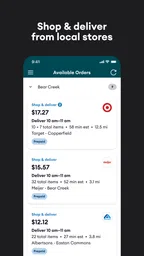
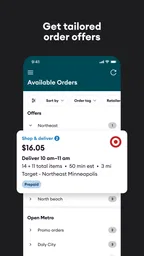
Some work apps are easiest to judge by how well they fit around the rest of life. Drive and Shop with Shipt is aimed at people who want to shop for and deliver groceries on a flexible schedule, with same-day pay as part of its appeal. I think that makes it especially relevant to households weighing whether one person can take on delivery work while keeping everyday plans manageable. It is a business app, but its practical impact is often felt at home: schedules, shared responsibilities, and who is using the device all matter.
How the app fits into a shared household
When someone in a household considers grocery delivery work, the key question is not simply whether an app is easy to open. It is whether the work can fit around school runs, meals, appointments, and other commitments. Shipt’s focus on a flexible schedule makes that idea central. Rather than presenting grocery delivery as a fixed shift in the app’s short description, it emphasizes choosing when to shop and deliver. That can be appealing to someone looking for work they can arrange around other responsibilities.
I would treat the app as a work tool for the person who intends to shop and deliver, not as a household planner. Other people at home may help coordinate the day, but that is different from sharing a work account or expecting the app to manage family schedules. Keeping those roles clear makes the arrangement easier to understand: the shopper handles the work, while the household agrees on when that work makes sense.
That distinction is useful in a shared-device home. If a phone or tablet is used by several people, it helps to be deliberate about who opens the app and whose account is active. Work-related information belongs to the person doing the work, so casual browsing by another household member is not a substitute for that person managing their own activity. This is sensible account hygiene, not a special household feature I would assume the app provides.
The app is free, which lowers the barrier to considering it as a work option. Shipt has more than a million installs, and its average rating is 4.2 from around 42 thousand ratings. Those figures suggest broad interest, though a rating alone cannot tell you whether the work will suit your particular routine. I would use the app’s own details and the terms shown during signup to decide whether it fits your circumstances.
Setting expectations before getting started
A household conversation before signing up can prevent avoidable confusion. Decide who will use the app, which device they will normally use, and how work time will be balanced with shared responsibilities. These are ordinary planning questions rather than features to look for in the app. They help everyone understand that “flexible” does not mean every delivery task will necessarily fit neatly between other plans.
I also recommend keeping expectations realistic. The app’s summary highlights same-day pay and flexible scheduling, but those phrases do not remove the need to review the current onboarding information and understand how the work operates. Read the instructions presented in the app carefully, and make sure the person taking on the work is comfortable with the practical commitments involved. That matters more than relying on a household member’s quick impression of a screen or a short description.
For a shared phone, use clear boundaries. The account holder should be the person who is actually doing the shopping and deliveries, and other people should avoid changing account details or interacting with work tasks on that person’s behalf. If the household needs to discuss a schedule, do that separately rather than treating the work app as a shared family calendar. This keeps personal work activity and household coordination from getting muddled.
Shipt is listed for Everyone, and it has been available since April 14, 2015. Its current version is 4.130.0, with Android support starting at version 7.0. Those details can help a prospective user check basic compatibility and age context. They do not replace reviewing the app’s current requirements or deciding whether the work itself is appropriate for the person who plans to do it.
Coordinating work without overcomplicating things
In my view, the strongest household approach is simple: the shopper decides when they are available, then communicates that plan to the people who share responsibilities with them. A partner or housemate may need to know when the shopper expects to be out, while children may need a straightforward explanation that the adult is working. The app’s flexible-schedule pitch makes coordination important, but it does not mean the app should be treated as a substitute for direct communication.
It can help to agree on a few practical routines in advance. For example, decide how the shopper will let others know about changes to the day, and make sure household tasks are not silently assumed to be covered while they are away. These are general coordination habits, not claims about built-in Shipt tools. Keeping that line clear makes the review more useful: the app supports the shopping-and-delivery work, while a household still needs its own way to stay in sync.
Shared devices deserve the same common sense. If another person needs the phone, the account holder should be aware of that and should avoid leaving work screens open for someone else to handle. It is also worth being cautious when discussing account access. Convenience can tempt people to share credentials, but each household should follow the account instructions and expectations presented by the service rather than assuming that multiple people can operate one account interchangeably.
For someone balancing work with family life, same-day pay may be a meaningful part of the appeal. I would still consider the whole arrangement, not just the payment timing. A flexible schedule can be helpful, but it is most useful when the shopper has a realistic sense of their availability and the household understands what that availability means. In that respect, the app’s value depends partly on the user’s planning and partly on honest conversations at home.
Age, responsibility, and trust
The Everyone content rating describes the app’s content category; it should not be read as a statement that every age group is suited to grocery delivery work. The business purpose is clear: it is for people interested in shopping and delivering groceries. A parent or guardian should make age-appropriate decisions about device use and work responsibilities, and should check the requirements and terms shown by the service before anyone signs up.
For families, it is better to separate supervised exposure from account ownership. A younger household member might see the app on a shared screen, but that does not mean they should use an adult’s work account or make decisions about deliveries. The adult who intends to do the work should remain responsible for their account and for understanding the service’s instructions. That boundary supports trust without suggesting that Shipt includes family controls or shared-account features.
Trust also means being candid about what the app can and cannot be expected to do in daily life. It is designed around grocery shopping and delivery work, not around settling household disagreements or automatically coordinating everyone’s availability. If plans change, people still need to communicate. If a device is shared, the account holder still needs to protect their own access. Those modest expectations make the experience easier to assess without attributing unsupported tools to the app.
Shipt has accumulated around 12 thousand written reviews, alongside its larger pool of ratings. Reading recent user feedback can offer perspective on how people describe their experiences, but individual reports are not guarantees. I would look for recurring themes and compare them with the current in-app information, especially before making a work commitment. That is a more grounded way to judge a service than assuming every household will have the same routine or outcome.
What stands out in everyday use
The main appeal is easy to grasp: grocery shopping and delivery work with a flexible schedule and same-day pay. That combination gives the app a clear purpose, and it may suit people who want to explore delivery work without first framing their day around a conventional fixed schedule. The free price also makes it straightforward to consider, although the decision to work through the service deserves more thought than the cost of installing an app.
Its focused purpose is a plus for someone who wants a work-oriented app rather than a broad collection of unrelated tools. At the same time, I would not confuse a focused app with a complete solution for household planning. The shopper still needs to manage their own availability, follow the service’s instructions, and keep the people at home informed. Those responsibilities are part of fitting delivery work into real life, whether or not an app is involved.
There is also a practical benefit in making the work decision visible. When one person explains when they plan to shop and deliver, everyone else can plan around that commitment. The app may be the starting point for the work, but trust within a household comes from being clear about who is responsible, who is using the account, and how plans will be communicated. I see that as the difference between simply downloading a business app and making it fit into a shared routine.
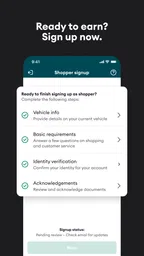
For a prospective shopper, the best next step is to review the current signup flow and the guidance it presents. Make sure the device meets the stated Android requirement if using Android, and check the app store for the current version and compatibility details before installing. Then consider whether the work’s scheduling approach makes sense alongside existing obligations. These are small checks, but they help avoid treating a promising summary as a complete picture of the day-to-day experience.
My household verdict
Overall, I see Drive and Shop with Shipt as a practical option to explore if you are interested in shopping for and delivering groceries on a flexible schedule. Same-day pay is an appealing part of its pitch, and the app’s business focus is easy to understand. Its broad adoption and positive average rating are encouraging signs, but they should be weighed alongside your own needs and the current information shown during signup.
For a household, the best fit comes from clear boundaries: one person takes responsibility for the work account, everyone understands when that person expects to be busy, and shared-device use is handled thoughtfully. The app should not be mistaken for a family coordination system, and its Everyone rating should not be treated as permission for a child to take on work. With those expectations in place, it can be a sensible app to investigate for an adult looking for flexible grocery delivery work.
If that describes your situation, I think Shipt is worth considering. Go in with realistic expectations, read the app’s current instructions, and talk through scheduling at home before relying on the work as part of your routine. That balanced approach lets the app’s central appeal—flexibility and same-day pay—stand out without overlooking the everyday coordination that makes a shared household work.
What we like
- Shop for groceries and household essentials from your phone.
- Schedule deliveries for a time that fits your day.
- Communicate with your shopper about item preferences.
- Choose replacement options when products are unavailable.
- Track your order as it moves toward delivery.
What could be better
- A Shipt membership may be needed to avoid delivery fees.
- Product prices can differ from those at local stores.
- Delivery availability depends on your location.
- Popular delivery slots may fill up quickly.
- Some items may be unavailable or require substitutions.





