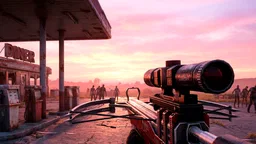
Zombie Apocalypse: Doomsday-Z review
 Analysis by Appsdrops
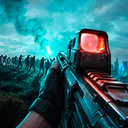
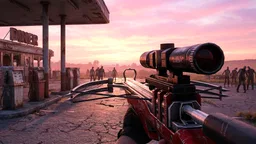
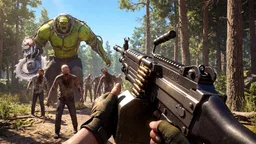
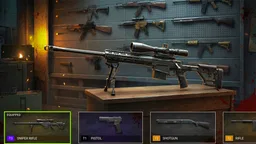
When I want a quick dose of zombie action, I look for a game that gets me into the pressure quickly and gives me a reason to pay attention between bursts of shooting. Zombie Apocalypse: Doomsday-Z is built around that immediate survival fantasy: a world in ruins, hostile undead and the need to keep fighting. My impression is that its appeal rests less on a sprawling story than on the straightforward tension of an action game with a doomsday setting. That makes it easy to understand, though it may not satisfy someone looking for a deep role-playing adventure or a slow, atmospheric horror experience.
Fast action, with a clear survival focus
This is a free action game from Freeplay Inc, aimed squarely at players who want zombie shooting rather than elaborate simulation. Its store summary sets the expectation of an intense post-apocalyptic fight, and that broad promise is the right way to approach it: come for direct action and see whether the moment-to-moment play holds your attention. I would not choose it expecting a carefully layered narrative to be the main attraction.
The game’s scale is reflected in its audience: it has over ten million installs, with an average rating of 4.6 from around 837,000 ratings. Those figures suggest that the premise has found a substantial audience, but they are not a guarantee that its pace or style will suit everyone. A high-volume action game can still feel repetitive to someone who prefers tactical planning, exploration or a more deliberate horror mood.
For me, the most useful expectation is that this is a pick-up-and-play option for zombie fans who want action without needing to learn a complicated genre vocabulary first. The title and premise make the threat obvious, and the mature 17+ age rating is a sensible reminder that this is not aimed at young children. If you are choosing a game for a shared household device, check that age suitability before installing.
How quickly it fits into a spare moment
The premise lends itself to short visits: a few minutes between other tasks can feel like a natural time to open an action game, rather than committing to a lengthy story session. I would use it that way when I want a focused change of pace, not as background entertainment while trying to multitask. Action demands attention, and dividing it between the game and something else can make even simple encounters less enjoyable.
One practical tip is to treat each play session as a small test of your own tolerance for repetition. If the shooting loop feels satisfying after a handful of encounters, the survival theme may keep you coming back. If you find yourself wishing for more exploration or a stronger narrative hook almost immediately, that is useful information: a story-heavy zombie game is likely a better fit than trying to force this one into a role it does not promise.
That distinction matters because “fast” can mean two different things. The premise suggests brisk action, but it does not establish technical loading times, frame rates or how smoothly it runs on a particular phone. I would judge perceived speed by how quickly the game lets me focus on the action during my own sessions, rather than assuming that the zombie theme guarantees a technical performance level.
What can make longer sessions feel demanding
Repeated action can become more demanding than the simple premise first suggests. When enemies and shooting are the central attraction, attention has to stay on what is happening; playing while tired or checking messages every few seconds can turn a quick session into a frustrating one. I would save it for a moment when I can give it a little focus, even if I only have time for a short visit.
There is also a useful trade-off between action and variety. A direct combat focus is appealing when I want an uncomplicated game, but it can become less compelling if I expect every session to introduce a substantially different kind of challenge. Rather than assuming that progression or content will solve that, I would pay attention to whether the core shooting itself remains enjoyable. That is the fairest test for a game whose identity is so closely tied to zombie combat.
The game is free to download, with in-app purchases priced from $0.99 to $49.99 per item. That range makes it worth thinking about spending before a long session turns into an impulse purchase. My advice is simple: start without buying anything, decide whether you enjoy the basic experience, and set a spending limit if you later choose to make a purchase. The free entry point is helpful, but it does not mean every optional purchase will feel worthwhile to every player.
Reliability and what to do after a rough session
For a mobile action game, reliability is not only about whether it opens. It is also about whether I can return to it without feeling that a brief interruption has spoiled the experience. I would test this in ordinary conditions: launch the game when I have time to play, then see how it behaves if a call, message or other app pulls me away. That gives a more relevant answer for my routine than assuming every phone handles interruptions identically.
If a session stutters, closes or feels sluggish, I would first try the low-effort fixes that do not risk progress: close other demanding apps, make sure the device has enough free space, and reopen the game. If the problem happens repeatedly, restarting the device and checking for an available game update are reasonable next steps. The current version is 1.68.51, so keeping the installed build current is a sensible maintenance habit, though it cannot guarantee that every device will behave the same way.
For anyone concerned about losing a run, the useful habit is to avoid treating an action session as safely interruptible until you have seen how the game handles leaving and returning on your own device. I would not start a session just before an appointment or a commute stop where I know I must close the app abruptly. That is a practical precaution for mobile play, not a claim that this particular game has a certain save or recovery system.
Device fit matters more than the premise suggests
The minimum operating-system requirement is Android 7.1, which gives a clear baseline for Android users. Meeting that requirement does not by itself tell me how well the game will run on a specific device: age, available memory, background activity and device condition can all affect the experience. If your phone is older or already struggles with demanding games, I would try it during a low-pressure moment rather than assume it will feel smooth just because it installs.
On a phone that runs hot or slows down during other games, shorter sessions are a sensible first test. Pay attention to whether controls remain comfortable, the screen stays responsive and the device becomes unpleasantly warm. Those are practical signals for deciding whether to keep playing, lower your expectations or move to a lighter alternative. I would not use one successful opening session as proof that a longer stretch will feel just as comfortable.
Storage is another everyday consideration, especially if your device is already crowded with photos and other games. I would check available space before installing and leave room for normal app updates. That is not unique to zombie games, but it is an easy way to avoid a preventable installation or update headache, particularly on a phone that is close to full.
Where it sits among zombie games
Compared with slower survival games, this one is the more natural choice when I want shooting and immediate danger to lead the experience. A strategy-focused alternative is better for someone who enjoys weighing resources and planning before acting, while a narrative horror game is a stronger pick for players who care most about atmosphere and story. The appeal here is the more direct action identity, not a promise that it replaces all those styles.
That also helps answer who should skip it. If zombie settings appeal to you only when they support exploration, stealth or a carefully paced plot, this may not be the best place to spend your time. Likewise, if you want a game that can reliably serve as a completely hands-off distraction, an action title is a poor match: the theme may be familiar, but the play asks for attention.
On the other hand, the game makes sense for someone who enjoys the genre and wants a free starting point before committing money. The audience size and the 11,000 reviews indicate that many players have chosen to try it, but I would still use my own first sessions as the deciding factor. Reviews can help set context; they cannot tell you whether the action feels satisfying in your hands or whether your phone suits it.
My performance verdict
I see Zombie Apocalypse: Doomsday-Z as a straightforward choice for players who want a zombie-themed action game and are comfortable judging performance on their own phone. Its free price makes it easy to try, and the Android 7.1 minimum gives older Android users a useful compatibility checkpoint. The in-app purchase range is broad enough that I would keep spending deliberate rather than treating optional purchases as part of the basic entry cost.
My strongest recommendation is to approach it in stages: install it, play a short session when you are not in a hurry, then decide whether the combat remains engaging and the device stays comfortable. If it feels responsive and enjoyable, it can suit spare moments when you want a focused burst of action. If it runs poorly, becomes repetitive or feels like the wrong kind of zombie game, a lighter title or a more story-driven alternative will serve you better.
Overall, this is best for players who value direct zombie combat over elaborate systems and who do not mind checking how an action game behaves on their particular device. I would not recommend it blindly to someone with a phone that already struggles, or to a player who expects deep storytelling from the premise alone. For the right person, though, it is an accessible way to try a mature-rated zombie action game and decide through play whether its pace is worth keeping on the home screen.
What we like
- Survivors with distinct abilities add variety to squad building.
- Base upgrades provide a clear sense of long-term progression.
- Zombie battles are easy to follow on a mobile screen.
- The post-apocalyptic setting gives missions a consistent theme.
- Short play sessions suit casual mobile gaming.
What could be better
- Progress can slow when upgrade resources become scarce.
- Combat offers limited direct control over individual units.
- Repeated missions may feel similar over time.
- Some rewards depend on waiting for timers to finish.
- The game may require a stable internet connection.







