
Brawl Stars review
 Analysis by Appsdrops
I like Brawl Stars most when I want an action game that gets to a decision quickly. Its matches are built around direct, multiplayer brawling rather than a long campaign, so I can pick it up for a short break and still have a clear objective. That quick-entry appeal is also the main trade-off: the game can feel intense and demanding even when I only meant to play for a few minutes.
How quickly a match gets going
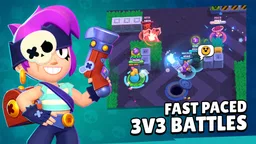
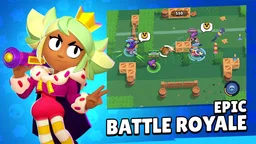
This is a free action game from Supercell, and its central pleasure is the immediacy of competing against other players. The store’s brief description points to multiplayer battle royale, but I would not reduce the whole experience to that one phrase: the broader draw is choosing a brawler, reading the situation, and making useful decisions under pressure. The controls and goals are suited to short bursts, though success depends on more than simply charging toward opponents.
When I have a spare moment, the game is easier to fit in than a large role-playing adventure or a strategy title that expects a long, uninterrupted session. A quick match can make a bus wait or a quiet stretch between tasks feel purposeful. Still, “quick to start” is not the same as “easy to put down”: a close round, a frustrating loss, or the urge to try a different character can stretch a short break.
The most useful habit I’ve found is to decide before opening it how much time I actually have. If I only have a few minutes, I treat one match as the whole session rather than assuming I can squeeze in several. That small boundary matters because the fast pace encourages immediate replays, and the game’s action leaves little room to multitask safely.
There is a welcome contrast with slower mobile games that rely on waiting, menu management, or lengthy setup before anything happens. Here, attention goes to the match itself. The flip side is that anyone who prefers a calm, low-stakes game to unwind may find the rapid reversals more stimulating than relaxing. I would choose it for a lively break, not as background entertainment.
Why short sessions still reward attention
Fast rounds do not make every choice simple. You need to pay attention to where opponents are, how your team is positioned, and whether pressing forward is worth the risk. A player who chases every fight can leave teammates exposed, while a more patient approach may create a better opening. That makes the action feel more tactical than a basic reflex test, even though the pace stays brisk.
One practical tip is to use early matches to learn what your chosen brawler can safely do, rather than judging the game by wins alone. Notice whether you tend to get caught while advancing, whether you are helping teammates, and which situations make your character feel effective. Those observations are more useful than switching characters after every disappointing round, because they help separate a poor decision from a poor fit.
When the action gets busy
The moments that ask the most of a phone are also the moments that ask the most of the player: several opponents may be close, teammates may be acting at once, and the safest route can change quickly. In that kind of match, I value a clear screen and responsive input more than elaborate visual effects. If the action becomes hard to read, it is easier to misjudge a move and blame the game for a mistake that was really a rushed decision.
For a more dependable session, I would avoid playing while walking, switching repeatedly between apps, or relying on a connection that is already behaving poorly. Multiplayer action is sensitive to interruptions in a way that a solitary puzzle is not. If a match feels inconsistent, I first check whether my own network or attention is the likely problem, then try again in a steadier setting instead of assuming the game itself has failed.
That advice is especially useful when playing with friends. Coordinating a shared session can make the game more enjoyable, but it also raises the cost of interruptions: one player dropping attention or struggling with a connection affects the group’s rhythm. I would choose a stable moment and a comfortable place to play rather than starting a match during a commute or another task that demands frequent attention.
Reliability, updates, and getting back into a match
Brawl Stars has a broad audience, with over 500 million installs and an average rating of 4.2 from around 26 million ratings. Those figures suggest that it has become a familiar choice for many players, but popularity alone does not guarantee a smooth experience on every device or network. I would judge reliability by how it behaves on my own connection and phone, especially during busy play, rather than treating a large player base as proof that every session will be flawless.
The current version is 70.757, and the game was released on December 12, 2018. A title that has been around for years can offer a more established experience than a brand-new release, but updates also mean the feel of play may change over time. If returning after a break, I would spend a little time reacquainting myself with the current game rather than expecting old habits to work perfectly on the first match.
If an interruption happens, I would not start another match immediately just to see whether the problem repeats. First, I would make sure the connection has settled and the game is behaving normally, then return when I can give the next round my attention. That is a sensible recovery routine for any competitive mobile game: it avoids turning one glitch or distraction into a string of rushed matches.
Another useful approach is to distinguish a temporary rough session from a pattern. A single delay or missed input can have several causes, including a busy connection or an overloaded phone. If the same issue keeps happening, close other demanding apps, give the device a moment to cool down, and test again under ordinary conditions. I would avoid promising that any one adjustment will fix every problem, but this check is more informative than changing several settings at once.
What it asks of your phone
The minimum operating system is Android 7.0, which gives prospective players a straightforward compatibility check. Meeting that requirement does not by itself tell you how smoothly the game will run on a particular handset: older or heavily loaded devices can behave differently from newer ones. I would install it with enough free space for the app and its updates, close apps that are consuming resources, and see how the phone handles an actual match before deciding whether the experience suits it.
In demanding play, heat, battery use, and background activity can affect comfort even when a game remains playable. I would not make long sessions on a warm phone my test of normal performance. If the handset starts feeling uncomfortable, take a break rather than pushing through; this is sensible device care and also helps prevent tired, impatient play from making the match less enjoyable.
The game is rated Everyone 10+, so it is aimed at a broad audience while still being more intense than a gentle children’s puzzle. Parents should consider not just the age label but also the fact that matches involve competition with other players and that the game offers in-app purchases. It is worth agreeing on spending expectations before handing over a device, particularly if a child can access the payment method attached to the app store.
Spending and choosing the right kind of action game
Although the game is free to download, in-app purchases range from $0.29 to $239.99 per item. I would treat purchases as optional spending, not as a requirement for finding out whether the core action is enjoyable. If I were setting it up for someone else, I would check purchase controls in advance and decide on a budget before play begins. That prevents an impulsive tap from becoming an unpleasant surprise and keeps the decision in the hands of the player or parent.
Compared with a single-player action game, Brawl Stars offers the unpredictability of competing with other people, which can make a familiar situation feel different from one match to the next. Compared with a slower strategy game, it asks for quicker reactions and less time spent planning between turns. That distinction is useful when choosing: pick this if lively multiplayer contests are the point; choose a solo adventure if you want a story-led pace, or a turn-based game if you prefer time to think before acting.
It is not my first recommendation for someone seeking a completely offline pastime, a quiet experience, or a game that can be played with half an eye while doing something else. Nor is it ideal if losing to other players quickly spoils the mood. Its strongest audience is someone who enjoys brief competitive rounds, can accept that outcomes vary, and wants a game where learning positioning and timing gradually matters.
The game is free, but the purchase range is broad enough that I would make spending boundaries part of the setup. I would also avoid treating a purchase as a shortcut to enjoyment: if the basic rhythm of selecting a brawler and entering a match does not appeal, buying an item is unlikely to change that. Try the core loop first, then decide whether any optional spending has a clear purpose for you.
My performance verdict
For the kind of phone action game it is, Brawl Stars feels strongest when I can give it focused attention in short sessions and play on a steady connection. Its brisk structure makes it convenient, while the need to read opponents keeps it from feeling like empty button-mashing. I would not promise identical smoothness across all devices, so anyone with an older phone should treat the minimum operating-system requirement as a starting point, not a guarantee of ideal performance.
My recommendation is for players who want multiplayer action that fits between larger parts of the day and who enjoy improving through observation rather than expecting every round to go their way. It is less suitable for someone who needs an offline game, dislikes competitive pressure, or wants a reliably peaceful way to switch off. If you approach it as a focused burst of play, keep spending intentional, and give the phone a stable setting, Brawl Stars is an engaging choice that earns its place in a mobile action rotation without needing to be everyone’s kind of game.
What we like
- Matches are short and easy to fit into a quick break.
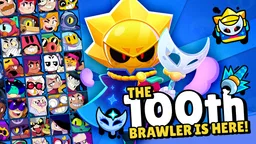
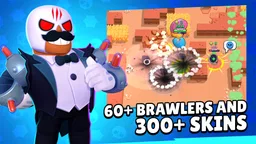
- A broad roster offers varied play styles.
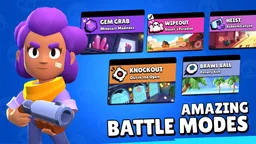
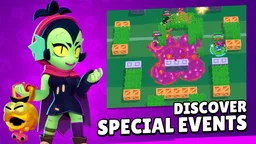
- Regular events add variety to the standard modes.
- Team play makes coordination rewarding.
- The controls are simple to learn on a touchscreen.
What could be better
- Progress can feel slow without frequent play.
- Some brawlers require substantial effort to unlock.
- Matchmaking can place players against stronger opponents.
- Random teammates may make coordinated modes frustrating.
- Limited-time events can be easy to miss.







