



Among Us review
 Analysis by Appsdrops
One moment I’m watching a crewmate finish a task; the next, I’m wondering whether they’re about to sabotage the whole round. Among Us turns a simple multiplayer setup into a lively contest of teamwork, suspicion, and persuasion. Its hook is easy to understand, but the people in the match make each session feel different—and that’s why I’m often ready to jump into another one after a round ends.
From ordinary teamwork to a tense first move
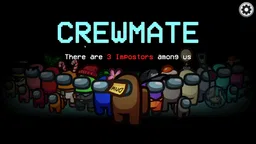
At its heart, this is an action game about crewmates trying to work together while an impostor undermines them. The basic idea is immediately approachable: take part in a shared match, pay attention to what happens, and decide whom to trust. The tension doesn’t come from a complicated setup. It comes from knowing that someone in the group may be acting against everyone else.
That contrast gives the opening moments a nice snap. One player can focus on contributing to the team, while another has a very different goal. Even routine-looking activity feels loaded once suspicion enters the picture. I find myself paying closer attention to the other players, not because every move is dramatic on its own, but because a small detail can suddenly change how I read the whole round.
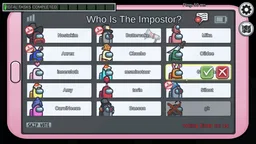
The game’s teamwork-and-betrayal premise is also a strong fit for multiplayer. A match isn’t just a race to act quickly; it asks players to interpret one another. Who seems helpful? Who is acting strangely? Is a confident accusation convincing, or is it a distraction? That social layer gives the action its personality and keeps the central idea accessible to newcomers.
Getting into the spirit of Among Us doesn’t require treating every round as a serious investigation. I can enjoy it as a casual game with friends or lean into the bluffing and debate. The mood depends heavily on the people playing, which is a strength: the same basic premise can produce a funny exchange, a tense accusation, or a wonderfully messy misunderstanding.
Small decisions, big suspicions
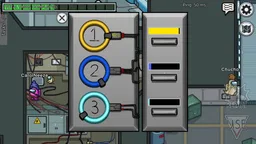
The most engaging part of a round is the way ordinary choices gain meaning. A crewmate’s behavior might look harmless at first, then seem suspicious after someone raises a question. A player who speaks up can steer the group’s thinking, while a quiet player may leave everyone guessing. I like that the game encourages attention without asking me to memorize a pile of rules before I can take part.
That simplicity also makes the experience easy to explain to someone who has never played. The premise does the heavy lifting: work together, watch what happens, and remember that not everyone has the same intentions. From there, the fun comes from how players respond. The game gives a clear reason to talk, question, and reconsider, rather than relying on a complicated story to make each match matter.
A quick rhythm of action and reaction
The match rhythm is built around action followed by interpretation. I take part in the round, notice what other players do, and then react when the group has a chance to discuss what happened. That back-and-forth is the key feedback loop. A choice can prompt a response from the group, and that response can make me rethink who seems trustworthy.
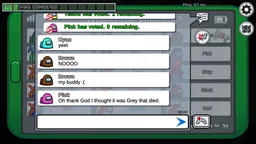
For me, the best moments are the ones where the conversation changes the meaning of earlier events. A detail I barely noticed can become important once another player brings it up. On the other hand, a persuasive-sounding explanation might be nothing more than a clever bluff. The game gives players room to build a case, challenge one another, and decide whether the evidence feels convincing.
This rhythm keeps the experience from feeling like a sequence of isolated actions. What I do matters because other players notice it, and what they say can change how I act next. The feedback is social as much as mechanical: suspicion spreads, confidence rises or falls, and the group’s attention shifts. That human element is what gives the simple premise its staying power.
Why another round feels rewarding
The reward is less about a single dramatic payoff and more about the story a match creates. Outsmarting suspicion, spotting a convincing lie, or persuading the group can all feel satisfying because they depend on reading the room. Even when I don’t make the right call, I can come away with a memorable moment to laugh about or debate after the round.
There’s also a pleasant sense of learning through play. I become more attentive to how people communicate, how quickly a group settles on an explanation, and how easily a confident claim can influence everyone else. That doesn’t mean there’s one perfect strategy; the people involved keep changing the situation. Instead, each match offers a fresh chance to try a different approach and see how the group responds.
Because the central idea is so easy to grasp, the game works well as a shared activity. Players can get involved without needing a long introduction, and the conversation naturally becomes part of the entertainment. I appreciate that the fun isn’t limited to winning. A round can be enjoyable because of a ridiculous accusation, an unexpected defense, or the moment everyone realizes they were looking in the wrong direction.
At the same time, the social focus means the company matters. A group that enjoys talking, bluffing, and reacting to one another will get the most out of it. The premise gives those interactions a purpose, but it’s the players who supply the timing and humor. That makes each match feel personal rather than like a fixed sequence of events.
The reset that invites another session
When a match wraps up, the appeal is that the next one can begin with a clean slate. The previous round may have ended in a clever deduction or a spectacularly wrong guess, but the next group dynamic can send everything in a different direction. I don’t feel that I’m simply repeating the same conversation; I’m returning to a familiar premise with new suspicions and a different read on the people around me.
That reset is central to the game’s replay value. The rules and premise remain easy to recognize, while the human choices keep changing. One session might reward careful observation, and another might turn into a lively argument where nobody is sure what to believe. The repeated loop—act, notice, discuss, decide, then start fresh—makes it easy to understand why players are tempted to stay for one more round.
Its long-running popularity reflects that approachable idea. Among Us has more than 500 million installs, and its average rating is 3.9 from around 14 million ratings. Those figures sit alongside a clear identity: a multiplayer action game about cooperation and betrayal, made by Innersloth LLC. The game is free to play, is rated Everyone 10+, and includes in-app purchases, so players may encounter optional purchases while using it.
What to expect before playing
For a new player, the best expectation is a social game first and an action game second. The premise is easy to pick up, but the atmosphere depends on how willing the group is to communicate and question one another. If I want a match that produces stories and spirited discussion, this setup delivers. If I’m looking for a solitary experience, its multiplayer focus is a different kind of appeal.
The game has been available since June 15, 2018, and its current version is 2026.11.3. It supports Android 8.0 and later. Those details make it straightforward to check whether a device meets the listed minimum before downloading. Since it’s free, it’s also approachable for players who want to try the core experience before deciding whether it suits their group.
I’d describe its strongest quality as clarity. The teamwork-and-betrayal hook is memorable, the round structure gives each action a social consequence, and the reset makes a fresh match inviting. It doesn’t need an elaborate premise to make a simple choice feel important. The real engine is the way people react to one another, and that keeps the game lively even when everyone understands the basic setup.
My verdict on the loop
Among Us works because it turns a straightforward multiplayer idea into a repeating cycle of action, feedback, reward, and reset. I take part, watch for clues, hear how others interpret them, and decide what I believe. A satisfying round gives me a moment worth celebrating or arguing over; a messy one can still be funny enough to make me want another try.
That loop is the reason I recommend it to players who enjoy social deduction, playful deception, and group conversation. Its approachable premise makes it easy to join, while the unpredictable behavior of other players keeps matches from feeling identical. The most rewarding sessions are the ones where everyone leans into the teamwork and suspicion, but even an imperfect round can leave behind a story.
Overall, this is a strong pick for anyone after a free multiplayer action game with a social twist. Its lasting appeal comes not from making every round complicated, but from making every player’s choices feel worth watching. Once a match ends, the next one offers a fresh set of motives to question—and that small invitation is often all it takes to keep the loop going.
What we like
- Cross-platform play makes it easy to join friends on different devices.
- Quick rounds suit short gaming sessions.
- Simple controls are easy for newcomers to learn.
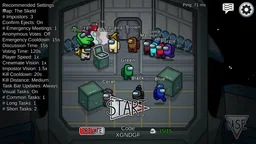
- Custom settings let groups adjust match rules.
- Private lobbies support games with invited friends.
What could be better
- Public lobbies can include disruptive players.
- Impostor rounds may feel unfair to inexperienced crews.
- Repeated maps can make matches feel familiar.
- Some cosmetics and extras require payment.
- A stable internet connection is needed for online play.







