





The Grand Mafia review
 Analysis by Appsdrops
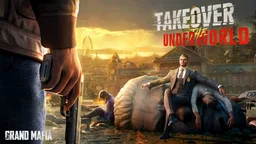
I can see why The Grand Mafia makes a strong first impression: it takes the familiar strategy-game promise of building influence and gives it a crime-family setting, with the city itself as the prize. My early appeal came from having several kinds of progress to think about instead of simply repeating one battle. That variety can make a short visit feel purposeful, whether I have time to check in between errands or want to settle in and plan what to do next.
It is a free strategy game from Phantix Games, rated Mature 17+, and its central fantasy is power gained through a growing mafia organization. The presentation and theme are aimed at adults, not players looking for a gentle, all-ages town builder. I would also treat the age rating as a real consideration if a younger person shares your device: this is not the version of strategy I would choose for a child.
Why the first week can be compelling
The early attraction is the sense that each decision contributes to a larger position. Rather than treating progress as a single score, the game encourages me to think about what will strengthen my organization and what can wait. That is a useful hook for anyone who enjoys strategy as a sequence of small choices: develop, prepare, and return to see what has changed.
The setting helps distinguish it from a standard fantasy kingdom or modern military base. A criminal empire gives expansion a sharper tone, and the goal of taking the city’s crown supplies a clear direction even when the immediate task is more practical. I found that framing effective, though it will not suit everyone. If you dislike gangster fiction or prefer a purely abstract strategy board, the theme may feel like a distraction rather than an advantage.
One practical way to approach the opening is to avoid treating every available task as equally urgent. Decide what kind of progress you want from a session, then focus on that instead of hopping between prompts without a plan. In games built around layered development, this small habit helps me understand which actions are actually supporting a longer-term goal and which are just keeping me busy.
The game’s popularity suggests a substantial audience: it has more than 50 million installs, and its average rating is 4.6 from around 330,000 ratings. Those figures do not guarantee that its pacing will fit my taste, but they do make it easier to find a community of players who know the game. The review count is also around 18,000, which gives prospective players a broad pool of opinions to consult alongside their own experience.
Turning quick visits into useful sessions
For an everyday scenario, imagine opening the game during a lunch break. I would not try to make every decision in that brief window. Instead, I would check what needs attention, choose one useful next step, and leave the more involved planning for a time when I can concentrate. That keeps the game from turning a short break into a scattered sequence of taps.
This approach is especially helpful if you play several mobile strategy games. The Grand Mafia is easier to enjoy when I give it a clear role in my routine: a quick check-in for upkeep, followed by a longer session when I actually want to consider priorities. If I expect every opening to deliver a complete, dramatic battle or a self-contained story chapter, I am likely to find the experience less satisfying.
Another non-obvious trade-off is that a game with several strands of development can create the appearance of choice before a player understands the consequences. I recommend pausing when a decision seems costly or difficult to reverse, and working out what you want your organization to do before committing. That is more useful than chasing whichever option looks most impressive in the moment.
What keeps it worthwhile after the novelty
The real test comes after the crime-family premise stops feeling new. For me, continued value depends on whether I enjoy the rhythm of returning, maintaining progress, and making incremental choices. The game is a better fit for someone who finds satisfaction in a strategy project that develops over time than for someone who wants a polished beginning, middle, and ending in a few sittings.
That distinction matters when comparing it with the usual alternatives. A compact tactics game is often better if you want a match that begins and ends on your schedule, with little between-session upkeep. A conventional city builder may suit you more if you want the pleasure of arranging a settlement without a strong criminal theme. The Grand Mafia is the more natural choice if the combination of organized-crime atmosphere and ongoing strategic growth is what you want to return to.
It is also worth asking what kind of commitment you are comfortable making. The game is free to download, but it includes optional in-app purchases ranging from $0.99 to $99.99 per item. I would decide on a spending limit before playing, rather than letting a moment of impatience set one for me. Free access is useful for trying the game, but it does not mean every route through its progression will feel equally convenient without purchases.
For a better month-to-month experience, I would measure progress by whether I still have a reason to make a deliberate choice, not by whether every session produces a dramatic leap. A good routine might be to check in when I have a few minutes, then reserve more attention for choices that affect my broader plan. If the daily rhythm starts to feel like a chore, taking a break is more sensible than spending money just to make the routine feel faster.
The maintenance burden and where fatigue creeps in
Ongoing strategy games ask for more than a one-time download: they reward returning and keeping track of what is happening. That can be satisfying when I want a persistent project, but it is also the main maintenance cost. If you often forget games for days or prefer something that never makes you feel behind, a self-contained puzzle or turn-based campaign will probably be a kinder use of your phone.
The friction is not only the time spent playing. A layered game can ask me to remember priorities between visits, and repeated check-ins can start to resemble a checklist. My advice is to make the routine intentional: decide when you want to play, and stop when you have done what you came to do. This helps preserve the strategic part instead of letting the habit become automatic.
Another source of fatigue is the mismatch between a dramatic theme and incremental progress. The fantasy suggests a sweeping rise to power, while the day-to-day experience of a persistent mobile strategy game can be more gradual. I would not recommend it to someone who needs constant narrative payoff or rapid, visible changes. The appeal is the longer arc, and that arc can feel slow if I am looking for a quick reward every time I open the app.
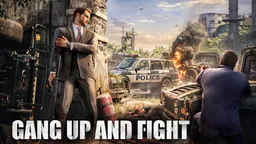
There is also a social and competitive expectation to consider. Players who enjoy comparing progress and coordinating around a larger in-game community may get more from this kind of persistent strategy experience than people who want to play entirely in isolation. If you are unsure, try it with modest expectations first: see whether the ongoing structure itself is enjoyable before making the game a fixed part of your routine.
The current version is 1.5.522, and the minimum operating-system requirement is Android 6.0. That makes it relevant to people using a range of Android devices, though I would still check that my own phone has enough room and performs comfortably with the game before settling into regular play. Strategy titles that invite frequent returns are more pleasant when the device itself is not adding friction.
Who should keep it installed
I would keep The Grand Mafia installed if I wanted a crime-themed strategy game with an ongoing sense of development, and if I enjoyed planning in short bursts as much as making progress over time. It is especially suited to someone who likes to return to a persistent game, make a few considered decisions, and gradually build toward a broader ambition.
I would skip it if I wanted a complete story that can be finished in a weekend, a quick competitive match with a clear endpoint, or a theme that feels appropriate for younger players. I would also look elsewhere if optional purchases or regular upkeep are likely to make me feel pressured. A free starting point is not automatically the best fit for someone who wants a game that asks very little after installation.
My long-term verdict is that this earns space on a phone only when its routine feels like part of the fun. The first-week hook is the setting and the promise of rising influence; lasting value comes from enjoying the decisions that follow, not from novelty alone. With a 4.6 average and a large player base, it clearly appeals to many strategy fans, but I would still judge it by my own tolerance for upkeep, gradual progress, and in-app purchases. If those trade-offs sound fair, it is worth trying; if you want strategy without a continuing commitment, a shorter, self-contained alternative is the better choice.
What we like
- A broad roster of bosses supports varied crew setups.
- City expansion provides goals beyond combat missions.
- Alliance features encourage coordination with other players.
- Regular events can add fresh objectives to the daily routine.
- Core city management is easy to learn for newcomers.
What could be better
- Progress can become slow without spending premium currency.
- Competitive battles may favor players with stronger upgrades.
- Timers often require patience or speed-up items.
- The screen can feel crowded with icons and menus.
- Frequent play may be needed to keep pace with rivals.







