Sniper Battle: 3D War Shooter review
 Analysis by Appsdrops
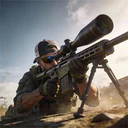
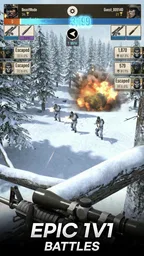
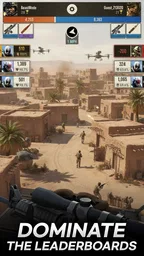
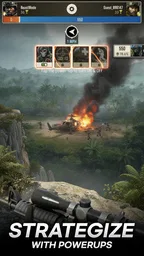
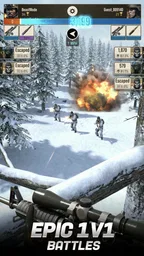
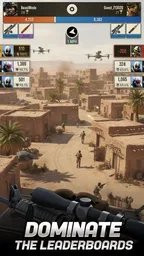
I like the idea behind Sniper Battle: 3D War Shooter: it makes the central promise of a sniper game a direct contest between two players, rather than a long campaign to work through. You face another person in a real-time duel, where spotting an opening and taking a careful shot matter more than simply firing as quickly as possible. That focused setup gives each match a clear purpose, but it also means the game is best suited to players who enjoy repeating a compact challenge and gradually sharpening their approach.
Building a steady duel routine
My most useful starting habit is to treat each round as a sequence: settle in, scan deliberately, and only then commit to a shot. The store summary emphasizes real-time one-on-one sniper matches, so the appeal is the direct pressure of reading another player rather than clearing groups of enemies. Rushing can feel tempting, especially when a duel is moving quickly, but patience is part of the skill the format asks for.
That rhythm makes the game easy to fit into a short break. If I have a few minutes between other tasks, a head-to-head match sounds more appealing than starting a sprawling action game and trying to remember a mission later. The trade-off is that a duel demands attention while it lasts. It is not the best choice if I want something to leave running in the background or play without focusing on the screen.
A practical routine is to avoid changing several habits at once. First, pay attention to how you approach aiming and timing; in later rounds, adjust one thing you can actually observe, such as whether you tend to take a shot too quickly. This makes each match more informative. Even without assuming the game has a particular training mode or replay tool, deliberate play can turn a string of duels into a useful learning loop.
Because the opponent is another person, results can feel less predictable than in an action game built around familiar computer-controlled patterns. That is a strength when I want a contest that feels responsive, but it can also be frustrating if I expect every loss to point to one obvious mistake. A missed opportunity may reflect timing, pressure, or the opponent’s decision-making, so I find it healthier to focus on repeatable choices instead of expecting a clean explanation after every round.
What to check before settling in
Before trying to improve, I would check the control and sensitivity options the game makes available and choose a setup that feels comfortable on the device in hand. I would not assume a particular control layout or advanced setting is present; the useful principle is simply to learn what is adjustable before building habits around it. If aiming feels awkward, changing settings mid-match can make it harder to tell whether a different result came from better decisions or unfamiliar controls.
It is also worth considering where and how you play. A real-time duel is a poor fit for a moment when you may have to stop suddenly, because interruptions break concentration and can put you at a disadvantage. I would save matches for a pause when I can look at the screen and respond consistently. That small scheduling choice matters more here than in a casual game where a brief distraction has little consequence.
The game is free to download, while optional in-app purchases range from $0.99 to $99.99 per item. I would begin by playing without spending and decide later whether anything offered is genuinely useful to my own routine. That is especially sensible in a competitive game: a purchase should not be confused with improved judgment or steadier aim. Since the listed range covers modest items as well as much larger purchases, it is worth checking the price of an individual item before confirming anything.
Age guidance is Teen, which is useful context for families deciding whether the action and presentation suit a younger player. I would still make that decision based on the individual child and the way they respond to competitive play, rather than treating an age label as a substitute for judgment. The game is an action title from HypGames, and its focus is a direct shooting contest rather than a broad, story-led adventure.
Repeatable habits that help under pressure
One non-obvious advantage of a one-on-one format is that it gives me a reason to separate observation from action. Instead of treating every visible opportunity as an order to shoot, I can pause long enough to decide whether I have actually lined up what I need. That brief mental check is useful in any aiming game, but it is particularly relevant here because the other player is also trying to exploit hesitation. The aim is not to wait forever; it is to make a choice rather than react blindly.
I would also keep a simple mental note after a round: did I lose patience, overthink, or struggle to stay comfortable with the controls? This is more practical than trying to remember every detail of a match. It gives the next duel one clear focus. For example, if I tend to fire as soon as I see a chance, I can deliberately take a beat before the next attempt. If I tend to hesitate, I can work on committing once I have made a decision.
Another useful pattern is to avoid changing both your play style and device setup at once. If you adjust sensitivity and also start taking shots faster, it becomes hard to know which change helped. Keeping one variable steady makes your own experience easier to interpret. This is a player-created method, not a claim that the game tracks or analyzes performance for you, and it works precisely because it does not depend on extra tools.
For a quick daily session, I would set a modest goal that is about process rather than wins: stay composed, use the same comfortable control setup, and notice one decision that can be improved. That approach keeps the game enjoyable even when an opponent is stronger. It also avoids turning a short action game into an exhausting grind. If every loss makes you want to immediately chase a win, it may be better to step away and return when you can focus again.
Where the format can feel limiting
Compared with action games built around a campaign, varied enemy encounters, or exploration, this one is deliberately narrow. The appeal is the direct duel, but players who want a changing sequence of missions may find that focus repetitive. It is also different from casual shooting games where the main pleasure is firing freely into a busy arena. Here, patience and the pressure of a single opposing player are central to the experience.
That narrow scope makes the game easy to understand, but it places more weight on the quality of each matchup. If you enjoy testing yourself against another person, that can keep a simple premise engaging. If you prefer to control the pace or play without competitive pressure, a solo action game is likely a better fit. Likewise, someone looking for a deep sniper simulation should not assume that the sniper theme alone means a complex tactical system; the confirmed core is real-time one-on-one play.
Connectivity is a practical consideration for any real-time competition. I would choose a stable moment to play rather than start a duel while moving between places or relying on an unreliable connection. That is general advice for live multiplayer, not a claim about a specific network feature. If interruptions are common in your routine, a game with pause-friendly solo play may serve you better.
There is also a difference between learning a repeatable habit and expecting guaranteed progress. An opponent may make a different choice, and one good routine will not settle every match. I find that a useful way to judge the experience: if the uncertainty makes me curious, the duel format is doing its job; if it only makes me annoyed, the same format may not suit my mood. The game rewards attention, but it cannot make every round feel fair or equally satisfying.
Who will get the most from it
I would recommend it to players who enjoy short, focused action and like the idea of measuring their decisions against another person in real time. It may also suit someone who already likes sniper-themed games but wants a more direct contest than a conventional single-player sequence. The game has an average rating of 4.6 from around 33,000 ratings, and it has passed one million installs, signs that many players have given it a try without guaranteeing that its particular format will suit everyone.
On the other hand, I would steer away from it if you dislike head-to-head pressure, expect a long narrative, or want a game that is forgiving of interruptions. The listed minimum operating system is Android 9, and the current version is 1.05.00, so checking device compatibility before installing is a sensible first step. The release date is December 3, 2025; the game is free, with optional purchases, so I would also keep spending decisions separate from the question of whether the core duel loop is enjoyable.
Its review count is around 4,500, which offers another point of context alongside the broader rating figure. I would not treat those numbers as a substitute for trying the game yourself: the decisive question is whether you like making careful choices in a compact, competitive encounter. For me, the clearest use case is a focused break when I have enough time and attention for a match, not a game to open while multitasking.
A measured verdict on getting better
Sniper Battle: 3D War Shooter is most compelling when I approach it as a small, repeatable skill test rather than a large action adventure. Its one-on-one structure gives each decision weight, and a steady routine—comfortable settings, deliberate aiming, and one improvement goal at a time—can make those matches feel more rewarding. The same simplicity is its main limitation: players who need variety, a story, or low-pressure play may quickly prefer another kind of shooter.
I would install it if the thought of a focused sniper duel sounds fun and I am willing to learn through practice rather than expecting instant mastery. I would keep optional purchases in perspective, choose a reliable time to play, and judge progress by the quality of my decisions as much as by wins. For the right player, that makes this free action game an approachable way to enjoy direct competition; for everyone else, its narrow focus is a good reason to choose a more varied or more relaxed alternative.
What we like
- Offers quick missions that suit short play sessions.,3D environments create a more engaging battlefield.
- Sniper-focused gameplay rewards careful aim and timing.
- A range of missions helps keep objectives varied.
- Simple controls make it easy to start playing.
What could be better
- Precision aiming may feel difficult on small screens.
- Repeated mission patterns can make progress feel predictable.
- Frequent action may rely on accurate internet connectivity.
- In-app purchases may affect progression for some players.
- The shooter theme may not suit younger players.







