

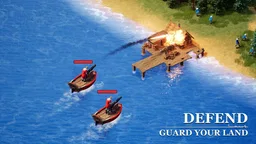
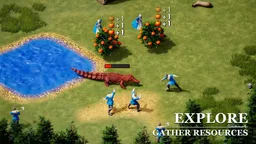
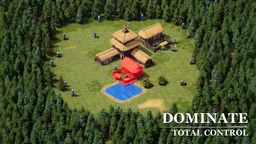
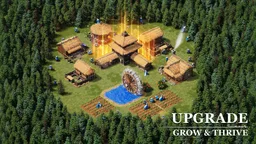
Rise of Castles: Ice and Fire review
 Analysis by Appsdrops
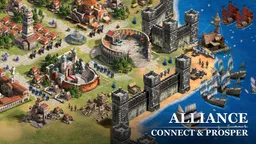
The appeal of Rise of Castles: Ice and Fire is the steady work of turning a vulnerable settlement into a place that can support a larger strategy. Rather than treating a castle as a decorative backdrop, the game makes its growth the center of play: development and decisions about how to use your progress are tied together. I find that a satisfying fit for a mobile strategy game, especially when I want something I can check in short sessions and return to with a longer plan in mind.
Why castle-building is the heart of the strategy
Published by Long Tech Network Limited, this free strategy game has been available since August 1, 2018. Its scale is reflected in a 4.4 average from around 1.8 million ratings and more than 10 million installs. Those figures suggest a well-established audience, but the more useful question is whether its central loop suits you: here, progress depends on gradually developing a castle and making choices with future needs in mind.
That emphasis gives the game a different feel from strategy titles built mainly around quick tactical matches. A short battle can be exciting, but the castle is what gives those moments context. Improvement feels cumulative: a decision made during one visit can shape what I am ready to do in the next. I enjoy that sense of continuity, though it also means players who want immediate action may find the pace too deliberate.
The strongest way to approach the building side is to treat each session as a small step in a larger plan, not as a race to upgrade everything. Before committing resources or attention to the next visible improvement, I would ask what I want the castle to help me do next. That simple habit makes the strategy feel more purposeful and reduces the temptation to tap through progress without thinking.
Progress that rewards a little planning
Castle development works best when I make priorities explicit. If I enter the game without a goal, the many possible things to work on can make progress feel scattered. If I decide beforehand that I am focusing on one next milestone, I can spend a brief visit checking what is needed and leave with a clearer sense of direction. This is a practical advantage of a development-centered game: even a short session can contribute to a plan.
There is a trade-off, though. Long-term growth is satisfying only if you are comfortable waiting for it and revisiting your plans. Players who prefer every session to deliver a complete, self-contained challenge may not enjoy having their momentum tied to gradual development. I would choose a more match-focused strategy game if I wanted to jump in, finish a round, and feel that I had reached a clean stopping point.
The title also signals an ice-and-fire setting, but I would not judge the game solely by its theme. What keeps me interested is the relationship between building and strategy: a castle gives progress a visible destination, while planning gives the repeated development decisions some weight. That is a more useful reason to try it than expecting the setting alone to carry the experience.
How I would fit it into an ordinary day
A realistic use case is a few minutes during a break, followed by a longer visit when I have time to think. During the short check-in, I would review what my current goal requires, make a sensible next move, and avoid starting several competing plans. Later, when I can focus, I can consider how that progress affects the next stage. The game suits this rhythm better than one that demands an uninterrupted block of attention for every meaningful action.
One useful habit is to decide on a stopping point before opening the game. A castle-building loop can encourage “just one more” improvement, especially when several paths seem available. Choosing a single objective for the session helps keep play intentional and makes it easier to put the phone away. It also makes returning less confusing, because I can pick up the thread of the plan rather than rediscovering what I was doing.
Another practical tip is to think in terms of trade-offs rather than treating every available improvement as equally urgent. A visible upgrade is not automatically the best next step if it does not support the direction I have chosen. I get more satisfaction when I connect each decision to a concrete purpose, even a modest one, instead of spreading attention across every option at once.
Where the pace can become a drawback
The same gradual structure that makes the castle feel earned can also create friction. If you want constant novelty, rapid rewards, or a succession of short tactical encounters, the development loop may feel slow. The game asks for patience and repeated attention, and that style is not universally relaxing: some players enjoy nurturing a long plan, while others experience the pauses as waiting rather than strategy.
Spending is another consideration. The game is free to start, but it offers in-app purchases ranging from $0.99 to $179.99 per item. I would set a personal spending limit before playing, particularly if I know I am prone to paying to speed up progress or avoid waiting. The presence of a very wide price range does not mean purchases are necessary for every player, but it does make it sensible to decide in advance whether you want to spend at all.
There is also a difference between enjoying a game’s long-term development and wanting to manage it every day. If I am not in the mood to keep track of a developing plan, opening a castle-centered strategy game can feel like another task. For that reason, I would not recommend it as a casual option for someone who only wants occasional, self-contained play. A puzzle game or a turn-based title with discrete rounds would be a better match for that habit.
Choosing it over other strategy games
Compared with the usual alternatives in the strategy category, the main distinction is the weight placed on growing a home base. A tactics-focused game puts the immediate encounter first; a quick competitive game is organized around short rounds. Rise of Castles is more appealing when I want progress to accumulate around a castle and decisions to connect across visits. That focus is its identity, but it is also the clearest reason someone might prefer a different game.
If you like to plan, check back, and see a settlement develop over time, this approach has a natural pull. If you are looking for a game that works equally well without ongoing attention, or one where each session ends with a complete result, a shorter-form strategy alternative is likely more comfortable. I would choose based on the kind of attention I want to give the game, not simply on whether I enjoy strategy in general.
The game is rated Teen, a useful consideration for players choosing something to share with younger people. It runs on Android 7.0 or later, and its current version is 26.1101.1. These details make it easier to check basic compatibility and age suitability before installing, while the free entry point lets interested players try the core experience before deciding whether it belongs in their routine.
Who will get the most from its castle loop
I think the best fit is someone who enjoys gradual improvement, likes having a clear project to return to, and is comfortable making progress across multiple visits. The game can also suit a busy player who wants a strategy title that can be checked in brief windows, provided that person enjoys long-range development rather than needing a satisfying conclusion every time they open it.
I would steer away anyone who dislikes waiting, feels pressured by optional purchases, or prefers every action to produce an immediate result. It is also not my first recommendation for someone who wants deep tactical decisions in isolated matches. In those cases, a turn-based or mission-based strategy game may offer a better balance of planning and closure.
My advice is to approach the castle as a project, not a checklist. Pick one sensible direction, make each visit count toward it, and decide beforehand how much time and money you want the game to receive. That mindset brings out the strategy in its building loop and makes the slower pace easier to enjoy.
Overall, Rise of Castles: Ice and Fire is worth considering if the idea of developing a stronghold over time is more appealing than chasing quick wins. Its central strength is also its main limitation: the castle gives the game continuity, but that continuity asks for patience. I would recommend it to a friend who likes planning between sessions; for someone who wants immediate, self-contained challenges, I would suggest looking elsewhere.
What we like
- Alliance teamwork adds a strong social dimension to kingdom building.
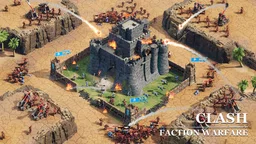
- Multiple troop types make army composition important.
- Regular events offer fresh objectives for active players.
- Hero abilities add variety to battles and progression.
- The medieval fantasy setting gives the game a distinctive look.
What could be better
- Progress can feel slow without frequent play.
- Competitive growth may encourage in-app spending.
- Timers can make upgrades feel repetitive.
- Large alliances may have an advantage over smaller groups.
- Notifications can become distracting during busy events.







