


Pokémon Champions review
 Analysis by Appsdrops
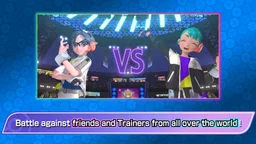
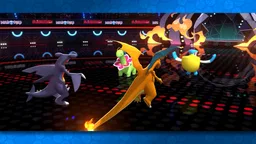
I approached Pokémon Champions as a strategy game for players who enjoy thinking through familiar Pokémon battles rather than simply collecting creatures or following a long adventure. Its appeal is focused: you make choices around battles, weigh the risks of committing to a plan, and try to read what an opponent might do next. That makes it easy to understand why the game could suit a quick session, while still giving thoughtful players something to consider beyond the next turn.
Choosing a plan before the battle turns
Pokémon battles are recognizable territory, but familiarity does not make every decision automatic. A strong plan has to account for more than the move that looks best right now. I find the strategic interest comes from asking what an action might invite in response, and whether I can still recover if the opponent anticipates it. That push and pull is what gives this game its strategy focus.
The most useful mindset is to treat each choice as part of a sequence, not an isolated moment. An aggressive decision may put pressure on the other side, but it can also narrow your options afterward. A cautious choice may preserve flexibility, yet give an opponent room to take control. Thinking one or two steps ahead helps make the familiar battle format feel more deliberate.
That makes the game a natural fit for players who already like comparing possible plays and revising a plan as new information arrives. If you usually enjoy the battles in Pokémon series games more than exploration or collection, this is a more direct place to focus that interest. If you want a broad, story-led journey, a mainline adventure is likely a better match.
Risk is part of the reward
A useful habit is to ask what you gain from a risky move and what you give up if it fails. It is easy to focus on the best-case outcome, especially when a bold action seems capable of swinging a battle. I recommend also considering the next turn: will that choice leave you with a sensible response if the opponent does not react as expected?
This kind of discipline matters because a battle plan is only as good as its fallback. Rather than committing to one idea and hoping it works, keep a second route in mind. The practical benefit is not that every choice becomes safe; it is that a setback is less likely to leave you with no useful decision at all.
For a short everyday session, that makes the game more satisfying than a strategy title whose appeal depends on hours of preparation before anything meaningful happens. I can see it working during a break when I want a focused match and a clear question to think about: did I make the right call, or did I reveal too much of my plan? Players who dislike losing because of tactical mistakes may find that same pressure frustrating.
Adapting when an opponent changes the picture
Strategy is not only about finding a good opening. A plan that looked sensible at first can become less useful when the opponent responds differently than expected. I would avoid treating any preferred approach as a script. Instead, look for the decision that still makes sense under the current circumstances, even if it is not the move you initially wanted to make.
One practical way to do that is to separate what you know from what you are guessing. If an opponent’s choices suggest a particular intention, consider it, but do not build your whole next move around an assumption. Keep enough flexibility to respond if that read is wrong. This simple distinction between evidence and prediction is valuable in Pokémon battles, where an overconfident read can turn a promising position into a difficult one.
That emphasis on adaptation also gives losses a useful purpose. Instead of deciding that a whole approach is bad after one disappointing result, I would look for the moment where the plan stopped fitting the battle. Was the risk too high, or did I fail to account for a response? Was I trying to force the same line after the situation had changed? Those questions lead to more useful adjustments than simply repeating a move and hoping for a different result.
Compared with strategy games built around long campaigns, this kind of battle-centered play puts the focus on decisions close to the action. It is less suited to someone looking for a large map, a lengthy narrative, or a steady stream of unrelated activities. The tradeoff is a clearer strategic identity: the more interested you are in evaluating battle choices, the more likely the game is to hold your attention.
Letting your judgement improve over time
The game is most rewarding if you treat improvement as a process. After a close battle, it can help to remember one pivotal choice and what information was available at the time. That gives you something concrete to test in a later match: perhaps you can wait before committing, or make a different choice when the same kind of pressure appears. The point is not to memorize a perfect answer but to build better judgement.
A small personal routine can make that learning more manageable. Before a session, decide what you want to practice, such as keeping a fallback option open or paying closer attention to how the opponent responds. Afterward, review whether that intention helped. Focusing on one habit at a time is less overwhelming than trying to rethink every decision after every battle.
This is also a sensible way to approach familiar mechanics without assuming that familiarity alone makes you an expert. Knowing the broader Pokémon battle style gives returning players a helpful starting point, but strategic confidence still comes from adjusting to the situation in front of you. Newer players can benefit from the same approach: focus on understanding why a choice seemed attractive, then consider what it exposed.
Because it is a free game, trying it does not require an upfront purchase. It does include optional in-app purchases priced from $3.99 to $49.99 per item, so I would decide in advance whether I want to spend anything rather than treating a purchase as part of learning the strategy. Players who prefer a strictly no-purchase experience should check the purchase options before settling in. The game is rated Everyone, which makes its age classification broad, though parents should still make their own decisions about play and spending.
What to expect from the app itself
Pokémon Champions is developed by The Pokémon Company, and its current version is 1.2.3. It has a 4.6 average from around 252,000 ratings, with roughly 5 million or more installs. Those figures suggest that many players have tried it, but they cannot tell you whether its particular battle-focused approach is right for you. I would use them as context, not as a substitute for deciding what kind of play you enjoy.
The clearest expectation to set is that this is a strategy game, not a general-purpose Pokémon companion. Its core appeal is making decisions in familiar battles. If you are hoping for a different kind of Pokémon experience, such as a long adventure built around travelling through a world, this is not the one I would choose for that purpose.
It is also worth thinking about how you respond to competitive pressure, even if you are not approaching every match as a serious contest. A player who enjoys revisiting a decision and trying a better line may find the format absorbing. Someone who wants a relaxed game where choices rarely carry consequences may prefer a gentler puzzle or casual title. The same tactical focus that rewards attention can make a rough run feel more demanding.
Who will enjoy the strategic focus
I would recommend Pokémon Champions to someone who enjoys the battle side of Pokémon and wants to spend more attention on planning, risk, and counterplay. It is especially appealing if you like the feeling of changing your mind when an opponent’s response changes the situation. The most useful approach is to enter each session with a flexible plan, then judge your decisions by how well they held up—not just by whether you won.
I would steer away from it if what you want most is exploration, a story to follow, or a low-pressure way to pass time without thinking much about each choice. In those cases, a mainline Pokémon adventure or a more casual game may fit better. That is not a flaw in this game so much as a consequence of its narrower purpose: it wants your attention on the battle itself.
Overall, I see Pokémon Champions as a focused option for players who want familiar Pokémon battles to become a study in decisions. Its strongest appeal is the opportunity to plan, take calculated risks, and adapt instead of relying on a single fixed approach. The tradeoff is that the experience can feel demanding if tactical choices are not what you came for. If you enjoy learning from a close match and refining your next plan, it is worth trying; if you want Pokémon primarily for adventure, I would choose a different kind of game.
What we like
- The core battle format is easy to learn for newcomers.
- Team building supports a range of Pokémon and battle strategies.
- Ranked matches offer a clear goal for competitive players.
- Quick battles make it easy to play in short sessions.
- The familiar Pokémon roster adds nostalgic appeal.
What could be better
- The focus on battling leaves little room for exploration.
- Competitive play may feel intimidating to beginners.
- Matchmaking quality can vary depending on the player pool.
- Limited battle formats may reduce variety over time.
- Players who prefer story-driven games may find it lacking.







