

Overgeared Hero: Merge RPG review
 Analysis by Appsdrops
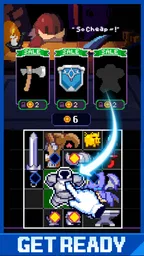
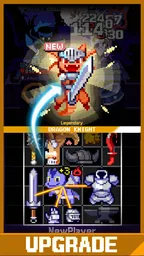
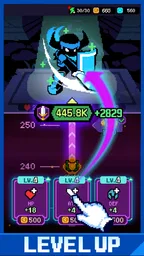
I like strategy games that give me a small decision to chew on even when I only have a few minutes. Overgeared Hero: Merge RPG is built around that kind of session: I combine gear in a backpack, shape a hero from the equipment I choose, and watch that hero take on enemies in automatic battles. The appeal is not twitchy control; it is the puzzle of making limited space and gear work together.
That mix makes this a curious fit for the strategy category. It borrows the quick readability of a merge game and the build-planning instincts of a roguelike RPG, then lets the fight play itself. I found the central question more interesting than the combat animation: what should I combine, what should I keep, and what kind of hero am I trying to build? If that sounds satisfying, there is a good chance the game will click quickly.
Why the first sessions are easy to enjoy
The first-week appeal comes from the short loop. I can look at the gear in my backpack, make a few choices, and see those choices reflected in an auto-battle without needing to master a long list of controls. That lowers the barrier to entry, especially for someone who wants a strategy game that can fit around a commute, a break, or a quiet moment at home.
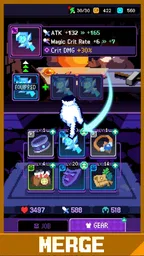
The merging mechanic gives ordinary equipment a useful second purpose. Instead of treating every item as a simple upgrade, I have to consider how it fits into the space and plan I am assembling. In practice, I would avoid combining gear automatically just because two pieces appear to match: first consider whether one item supports the build you are already pursuing. A merge can simplify a crowded backpack, but it can also close off a choice you might prefer to keep.
That is one of the game’s more appealing trade-offs. The backpack is not just a holding area; it is where the strategy begins. A useful habit is to pause before each merge and ask whether the result improves the direction of the hero, rather than judging an item only by its immediate appeal. This small check makes decisions feel more deliberate and helps keep the game from becoming a string of taps.
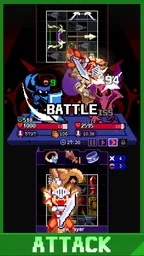
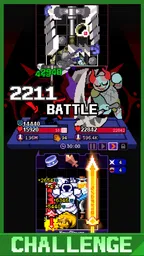
The automatic battles also make the game approachable, but they shift responsibility onto preparation. I do not rely on reflexes to rescue a weak setup once a fight starts. The satisfying part is anticipating how the gear choices will hold up, then seeing the result. Players who enjoy planning before a challenge may find that more engaging than direct combat; anyone looking for precise, hands-on action may find the fights too passive.
5minlab Corp. has made a free-to-play strategy game with an Everyone age rating. It has a 4.6 average from around 90,000 ratings, and has passed one million installs. Those figures suggest a sizable audience, but they are not a substitute for fit: the key question is whether you enjoy inventory decisions and automated outcomes. I would use the opening sessions to answer that, rather than treating early progress as proof that the loop will stay compelling.
How to get more from the backpack loop
My practical advice is to make one choice at a time. Before combining gear, decide what role you want the next piece to serve; after a merge, check whether the resulting arrangement still supports that intention. This is more useful than chasing every apparent upgrade, because the game’s core pleasure is in constructing a coherent hero rather than simply accumulating items.
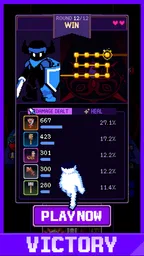
It also helps to treat a battle as feedback, not merely a reward screen. If the outcome disappoints, look back at the gear plan and identify one decision you would change. Altering a single part of the approach makes it easier to learn what mattered than changing everything at once. That is a general strategy habit, but it suits this game particularly well because the player’s preparation is the main source of agency.
For a realistic everyday use, imagine having a few minutes between errands. I would open the game, make a compact gear decision, and let the battle resolve without needing to settle in for a long session. That is a stronger use case than expecting it to fill an evening with continuous, hands-on play. If your free time comes in short gaps, the concise decision loop is a genuine advantage; if you want a deep tactical encounter demanding constant attention, it is a poor match.
What keeps it useful after the novelty
After the initial curiosity of merging wears off, the game has to earn its place through variation in the decisions, not just the act of combining items. Its lasting appeal will depend on whether I continue to enjoy adjusting a hero’s gear and learning from auto-battles. The format offers a naturally repeatable puzzle, but repetition can become routine if each session starts to feel like the same inventory cleanup followed by the same passive fight.
That makes it a better companion game than a game I would necessarily want to play for hours at a stretch. The loop is easy to return to because the basic interaction is clear, yet the same simplicity can limit how much attention it holds at once. I would recommend trying it in brief sessions first. If I find myself thinking about a gear decision between sessions, that is a stronger sign of lasting value than simply enjoying the novelty of the first few merges.
Compared with more conventional strategy games, this one places less emphasis on issuing orders during combat and more on preparing the hero beforehand. Compared with a straightforward merge title, the gear combinations have a clearer role in an RPG-style build. That middle ground is its identity: it is for players who want planning without a demanding battlefield interface. A turn-based tactics game is a better choice if you want to control each move, while a more action-focused RPG suits players who want to steer every attack themselves.
There is also a useful way to think about sessions: stop when you have made a decision you can explain. If I am merging items without considering how they affect the hero, I am probably no longer engaging with the strategy the game is built around. Taking a pause at that point can make the next return feel more purposeful, rather than letting a short, satisfying loop turn into mindless repetition.
Keeping the game from becoming a chore
The maintenance burden seems modest in terms of the basic play pattern: I can make choices and let combat resolve, rather than needing to manage constant inputs. But low input does not automatically mean low mental friction. Sorting through gear and weighing combinations can feel like a chore if I am tired or simply want to watch a story unfold. This is a game to open when I am in the mood to make small decisions, not a universal way to unwind.
Version 1.43.1 is the current version, and the game supports Android 7.0 or later. That makes it accessible to a range of Android devices, though the experience still depends on whether the small-scale planning loop suits the player. The stated purchase range runs from $0.49 to $94.99 per item. Since the game is free to start, I would first decide whether I enjoy its core loop before considering optional spending, and set a personal limit if in-app purchases are a concern.
A useful self-check is to notice what prompts a return. If I come back because I want to test a different gear arrangement, that is healthy recurring value. If I return only because I feel I must clear a backlog of items or keep up with a routine, the game may be turning into maintenance rather than entertainment. I would not force daily play; the simple structure is more inviting when I can pick it up because I want another planning puzzle.
Where fatigue can set in
The largest source of fatigue is the gap between making decisions and seeing them tested. Auto-battle makes the game convenient, but it also means I cannot correct a mistake in the moment. If I prefer games where skillful execution can change the outcome, that can make a loss feel distant from my input. Here, the better response is to review the setup and try a different approach, which is satisfying only if that preparation is what you enjoy.
Another possible sticking point is the merge-first rhythm. Players who like collecting items but dislike making trade-offs may find the backpack decisions more fussy than fun. Likewise, if you want a story-led RPG with character conversations and a carefully paced narrative, the core appeal described here is elsewhere: gear, hero building, and automatic combat. I would skip it if those systems sound like chores rather than a compact puzzle.
Paid items can add another consideration for players who prefer a completely purchase-free experience. The game is free, but individual in-app purchases range from $0.49 to $94.99. That is a wide span, so I would avoid browsing purchase options impulsively and focus on whether the free experience holds my interest. Spending should not be treated as a shortcut to enjoyment; if the underlying gear decisions are not appealing, paying is unlikely to fix that mismatch.
Who should keep it installed
I would keep Overgeared Hero: Merge RPG installed if I wanted a strategy game for short breaks, enjoyed turning a messy set of gear into a plan, and was comfortable letting battles play out automatically. Its strongest quality is the connection between backpack decisions and the hero that enters a fight. It gives a small, concrete problem to solve, rather than asking for a long uninterrupted session.
I would choose something else if my ideal strategy game involves direct control, deep battlefield positioning, or long-form campaign storytelling. I would also be cautious if repeated inventory choices tend to irritate me, because that activity sits close to the heart of this experience. Those are not defects for every player, but they are meaningful limits when deciding whether the game belongs in a regular rotation.
My long-term verdict is cautiously positive. The concept has enough room for satisfying preparation and quick returns, but its staying power depends on whether I continue to care about the small decisions behind each automatic fight. I would give it a fair trial in short sessions, use battles to refine one gear choice at a time, and leave it alone when the loop starts feeling like housekeeping. For the right player, that restraint is precisely what lets this compact RPG remain a pleasant habit rather than another obligation.
What we like
- Merge mechanics make character upgrades easy to understand.
- Short stages suit quick play sessions.
- Hero collection adds long-term progression goals.
- Automatic combat reduces the need for constant input.
- Distinct hero designs make the roster easy to recognize.
What could be better
- Progress may slow as upgrade requirements increase.
- Combat offers limited direct control over heroes.
- Repeated stages can make the routine feel predictable.
- Random hero rewards can make specific upgrades hard to obtain.
- Frequent play may be needed to keep pace with progression.







