

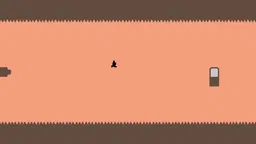


Level Devil - NOT A Troll Game review
 Analysis by Appsdrops
I like action games that get to the point, and Level Devil has a clear idea: guide a character through platforming stages where the route can turn against your expectations. It is free to start, but the appeal is not simply reaching the exit. It is learning to treat each step with suspicion, then deciding whether another attempt is worth the irritation. That makes it a strong pick for short bursts of play, though not for anyone who wants a calm, predictable run.
How its trick-platforming feels in practice
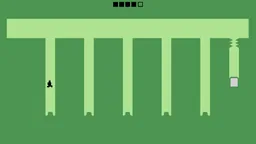
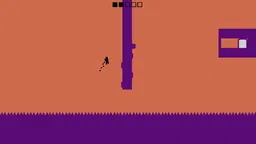
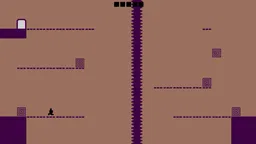
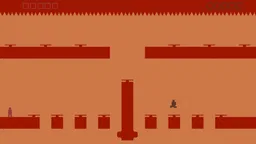
Published by WebVentures B.V., this action game has the feel of a familiar jump-and-dash challenge with a deliberately mischievous edge. The basic task is easy to grasp: move through a level and avoid hazards. The tension comes from not being able to assume that a safe-looking platform will stay safe or that a clear path will remain clear. I found that uncertainty is the central mechanic, not a side effect.
That changes how I approach each stage. In a conventional platformer, I often build momentum and rely on a route I have already learned. Here, a measured approach is more useful. I watch the ground ahead, make smaller moves when I can, and resist treating a successful jump as proof that the next one will behave the same way. Patience and quick recovery matter as much as reflexes.
The game is best enjoyed when a surprise feels funny or satisfying rather than unfair. A sudden reversal can make a level memorable, but repeated failure can also break the rhythm. If you enjoy games that use misdirection to make familiar platforming feel tense, that trade-off is likely part of the attraction. If you mainly want smooth, flowing movement and dependable rules, it may feel more annoying than clever.
A good fit for spare moments, with a catch
I can imagine playing a stage while waiting for a ride or taking a short break. The straightforward premise makes it easy to pick up without needing a long explanation or a complicated setup. A useful personal rule is to go in with a small goal: clear a section, figure out what fooled you, or simply play for a few minutes. That keeps a tricky stretch from turning a brief break into a stubborn, drawn-out session.
The same design makes it less suitable for distracted play. If you are glancing away, rushing through, or expecting to coast through familiar-looking terrain, you can miss the cues that make a trap legible. I would choose a more forgiving platform game when I want background entertainment; this one asks for attention even when its controls and premise seem simple.
It also suits players who like learning through retries. When a surprise catches me, the useful question is not just “How do I jump farther?” but “What assumption did I make about this route?” That small shift makes each attempt feel more deliberate. A practical tip is to change one part of your approach after a failure rather than repeating the same move at full speed. It helps turn a frustrating surprise into information.
What the current release tells returning players
The game was released on February 28, 2024, and its current version is 1.5.0. Those details establish the release and build available now, but they do not by themselves explain what changed between versions. I would not treat the version number as evidence of a particular new level, feature, balance adjustment, or fix. For someone who already plays, the sensible expectation is simply that this is the current version to check in the app store.
For a returning player, the practical effect is modest: update to the current build if you want the latest available release, then judge the game by the stages and behavior you actually encounter. I would avoid assuming that a newer version has made the surprises gentler or the difficulty more consistent. The core appeal described by the game remains its mix of jumping, dashing, and unexpected obstacles; whether a specific update changes how that feels needs to be established through play, not inferred from a number.
That distinction matters because an update can be important without making the game a different kind of experience. If you liked the tension of testing a route carefully, the current build is the natural place to continue. If you stopped because the trap-based structure itself wore you down, a version change alone is not a good reason to expect a complete change in taste. I would come back with curiosity, not with a promise to myself that every irritation has been fixed.
How it compares with ordinary platformers
Compared with a standard action platformer, Level Devil puts more emphasis on doubt than on building a clean run. Many familiar games reward memorizing enemy patterns, improving timing, and moving with confidence. Here, confidence can be precisely what gets punished. That makes the game stand apart from a routine jump-and-run, but it also means it may be a poor match for someone who values mastery through stable, predictable obstacles.
It is also different from a reflex-focused endless runner. I would not approach it as a test of how long I can keep moving without stopping. The more useful mindset is to inspect what is in front of you and accept that a stage may require a restart or a fresh attempt. If you want a platforming game that feels like a continuous flow, look elsewhere; if you enjoy being challenged to revise your assumptions, this one has a more distinctive hook.
The broad audience response is encouraging: it has a 4.8 average from around 333 thousand ratings, with over 50 million installs. Those figures suggest that its particular kind of challenge has found a large audience, but they do not guarantee that you will enjoy being tricked by a level. I would use them as a sign that the premise has wide appeal, not as a substitute for asking whether repeated surprises are your idea of fun.
Costs, access, and the small points worth checking
The game is free to download, with in-app purchases listed at $5.99 per item. That makes it easy to try before deciding whether it belongs on your phone. I would still keep the purchase option in mind if you are handing the device to a child or prefer not to make optional spending decisions during play. The game is rated for Everyone, and it runs on Android 7.0 or later.
Those details make it accessible to a broad range of players, but they do not tell me how every purchase affects the experience. I would check the purchase prompt itself before paying rather than assuming an item is essential or that it changes the difficulty in a particular way. For a first-time player, the practical approach is simple: try the free game, decide whether its trick-based stages keep you interested, and only then consider anything offered for purchase.
One useful consideration for shared devices is the contrast between an Everyone rating and the game’s potentially aggravating rhythm. The content rating answers a different question from whether a particular player will enjoy repeated surprises. A younger or less patient player may need help understanding that failure is part of the design, while someone who likes figuring out a trick may happily retry. I would choose based on temperament, not rating alone.
Who should try it, and who may prefer another game
I would recommend Level Devil to players who enjoy compact action challenges, can laugh at an unexpected setback, and like improving by observing what went wrong. It is especially appealing if ordinary platforming feels too easy or too familiar and you want a game that makes you question the route ahead. With 3.4 thousand written reviews alongside its large rating count, it has attracted substantial discussion, though the best test is still whether its central joke remains enjoyable after the first few surprises.
I would steer away from it if you dislike restarting, want a story-led adventure, or prefer a platformer whose obstacles behave consistently once learned. It may also be a poor choice when you have only a moment to play but are already stressed; a game built around catching you off guard can amplify impatience. A more conventional platform game is the better option when your goal is relaxed progress rather than suspicion and trial and error.
My overall take is that Level Devil has a strong, specific personality: it turns familiar jumping into a test of attention and trust. Its free entry makes it easy to sample, and its current version gives new players a clear place to start. I would recommend giving it a fair chance if the idea of adapting after a trick sounds enjoyable. Just do not expect every failure to feel fair in the moment, and do not mistake a high average for proof that its mischievous style suits everyone.
What I would watch as it continues
For future updates, I would pay attention to whether the game preserves the surprise without letting frustration overwhelm the fun. That is the key balance for a platformer whose identity depends on traps: players need to feel caught off guard, but they also need a reason to try again. The current version number tells me which build is available, not what the developer will add next, so I would treat new content or changes as possibilities rather than expectations.
If you already own it, notice whether your enjoyment comes from solving the stages or merely enduring them. That is a useful way to decide whether to keep playing after a difficult run. If you are new, try it during a relaxed moment, take the early failures as clues, and stop when the surprise stops being entertaining. On that basis, I find it an easy game to recommend selectively: distinctive and worth sampling, but best for players who genuinely enjoy being fooled before they figure things out.
What we like
- Compact levels make it easy to play in short sessions.
- Unexpected traps keep familiar platforming routes surprising.
- Simple controls are quick to learn.
- Frequent checkpoints reduce the cost of repeating difficult sections.
- The playful presentation gives failures a lighthearted tone.
What could be better
- Hidden hazards can make progress feel trial-and-error based.
- Some traps may frustrate players who prefer predictable challenges.
- Repeated deaths can interrupt the pace of a level.
- The game offers limited appeal for players seeking a relaxing experience.
- Precision jumps may be difficult on small touchscreens.







