


Last Shelter: War Z review
 Analysis by Appsdrops
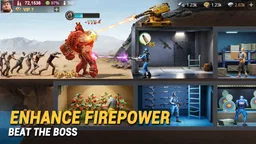
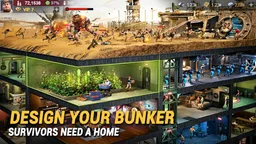
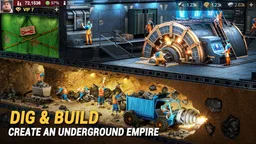
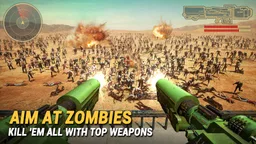
I like strategy games that make me pause before spending a resource or committing to a fight, and Last Shelter: War Z is aimed at that kind of player. It frames survival around a zombie apocalypse, but the appeal is less about a quick scare than about making decisions under pressure. The central question is whether you enjoy planning and adapting—or whether you would rather get straight to action without managing a longer-running strategy game.
What the survival-strategy premise asks of you
Published by LAST ORIGIN STUDIO LIMITED, this is a free strategy game with a Teen age rating. Its premise puts command, exploration, conquest, and survival in the same post-apocalyptic setting. That combination gives the game a broader identity than a simple wave of zombies to defeat: the strategy label matters because the experience asks you to think about how to build momentum, not just react to immediate danger.
I would approach it as a game for someone who enjoys looking at a difficult situation, choosing a priority, and accepting that not every goal can be tackled at once. In a zombie setting, that pressure is easy to understand: safety and expansion pull in different directions. The most satisfying moments in games built around this premise tend to come from making a plan work despite limited room for error, rather than from spectacle alone.
That makes it a different proposition from a straightforward action game. If your favourite part of a zombie game is aiming, dodging, or clearing enemies in short bursts, a strategy-first experience may feel indirect. If you enjoy thinking through trade-offs and watching a larger plan take shape, the premise is more promising. I would choose it for deliberate play, not as a substitute for a fast arcade session.
Who is likely to enjoy it
The game is best suited to players who are comfortable with strategic pacing and a setting where survival is an ongoing concern. It may also suit someone who wants a mobile game to return to and consider in small windows of free time. A practical everyday scenario is a short break: open the game, decide what matters most in your current situation, make a focused move, and leave the next decision for later. That approach is more appealing than expecting every session to deliver a self-contained action story.
On the other hand, I would hesitate to recommend it to someone who dislikes games that ask for repeated attention or who wants every session to end with a neat sense of completion. Strategy games can make progress feel gradual, and this kind of survival premise can create a steady sense of urgency. If that pressure feels more like a chore than a challenge, a mission-based zombie game with clear stopping points is probably a better fit.
Progress can be satisfying, but pressure is part of the deal
The core trade-off to consider is between short-term comfort and long-term progress. In a strategy game, it is tempting to pursue whatever seems rewarding right now; a more careful player will think about whether that choice supports the next stage as well. I recommend deciding what you want from a session before you begin. A simple intention—such as focusing on survival rather than trying to push every objective—can help keep the game from turning into aimless tapping.
One useful habit is to treat a setback as information rather than an instruction to spend. If a plan is not working, pause and reconsider the priority you chose. In a survival strategy game, changing direction can be smarter than doubling down simply because you have already invested time. This is a particularly valuable mindset for mobile play, where it is easy to make hurried decisions during a brief break and then regret them later.
The pressure may not suit everyone. Players who prefer a relaxed city builder can find the threat-focused framing tiring, while people who enjoy tense choices may find that pressure gives otherwise routine decisions a purpose. The distinction is personal: do you want a game to soothe you, or do you want it to keep you alert? I would make that question part of the decision before installing, because the zombie-apocalypse premise suggests a more demanding mood than a purely peaceful management game.
Free to start, with spending to weigh carefully
The game is free to download, and it offers optional in-app purchases priced from $0.99 to $120.47 per item. That is useful context for deciding whether to try it, but it does not tell me what each purchase contains or how much progress depends on buying anything. I would not assume that spending is either necessary or harmless based on the price range alone. The sensible approach is to begin without paying and judge the pace for yourself.
If you do consider a purchase, first ask what specific frustration you expect it to solve. Is it a one-time convenience you genuinely value, or are you responding to pressure in the moment? For a strategy game, that distinction matters: paying to skip a wait or ease a bottleneck may change how the game feels without making its decisions more interesting. I would set a personal spending limit before playing, especially if you know that competitive or time-sensitive systems can tempt you to buy your way past a difficult stretch.
The purchase information also does not establish whether optional items affect competition, offer cosmetic changes, or provide other benefits. I would keep those questions open rather than treating the existence of purchases as proof of an advantage or proof of fairness. If competitive balance is your main concern, look for clear in-game explanations before investing time or money, and avoid a purchase until you understand what it changes.
Fairness depends on details worth checking in play
Strategy games often become more sensitive to fairness when players are compared against one another. If winning depends heavily on long-term progress, a difference in time or spending can matter; if competition is more about planning, individual decisions may carry more weight. I cannot responsibly say which balance applies here without confirmed details about its competitive systems. For now, I would judge the game first by how satisfying its decisions are for a player who is not paying.
That gives you a practical test. Play long enough to see whether your choices feel meaningful, whether progress seems understandable, and whether you enjoy the pace without buying anything. If the game is fun only when you spend, that is a strong reason to stop. If it remains engaging at your own pace, you can decide later whether an optional item is worth its cost rather than treating payment as the entry fee.
For anyone who plays mainly to compete, I would be more cautious than I would be for a casual strategy fan. Before committing, check how the game presents opponents, what purchases actually provide, and whether the competitive experience matches your expectations. Those are not details I would fill in from the zombie theme or the presence of a store. They are the kinds of specifics that should shape a fair judgement once you encounter them directly.
How it sits beside other zombie and strategy games
Compared with a typical action-focused zombie game, Last Shelter: War Z sounds better suited to players interested in directing a broader survival effort than controlling every moment of a fight. Compared with a calm base-management game, its apocalypse framing promises more urgency and a stronger sense of danger. That middle ground is its clearest appeal: strategy decisions in a setting where survival gives those decisions a narrative reason to matter.
The trade-off is that it may not provide the immediate payoff of shooting-focused games or the gentle routine of a peaceful builder. If you want responsive combat above all else, choose an action title. If you want a low-pressure place to decorate or organize, choose a more relaxed management game. I would choose this one only if the mix of strategic thinking and survival tension is what you actually want; the theme alone is not enough to make it the right game for every zombie fan.
What I would check before settling in
The game has a 4.6 average from around 29,000 ratings, with over 1 million installs. Those figures suggest that many players have tried it, but popularity cannot answer whether its particular pace or purchase model will suit you. It has a Teen rating, so I would also keep that audience guidance in mind when deciding whether it is appropriate for a younger player.
The current version is 26.1102.001, and the minimum operating-system requirement is Android 7.0. Before downloading, check that your device meets that requirement and that you are comfortable with the game’s ongoing strategy focus. It is a small practical step, but it avoids the disappointment of choosing a game for its premise only to find that your device is not a match.
The most useful questions to answer during your first sessions are straightforward: does progress feel worthwhile without purchases, do you like returning to a developing survival challenge, and does the competitive side—if you choose to engage with it—feel fair to you? Keep an eye on how the game itself explains its systems rather than guessing. If a mechanic is unclear, wait before spending or making a long-term commitment.
My verdict: try it for the planning, not just the zombies
I would recommend Last Shelter: War Z to a friend who likes strategy games, enjoys post-apocalyptic settings, and is happy to let progress unfold over repeated sessions. Its strongest promise is the chance to treat survival as a series of choices rather than a string of reflex tests. The free entry point makes it reasonable to try, while the in-app purchase range is a reminder to decide in advance how much—if anything—you are willing to spend.
I would not recommend it without reservation to someone who wants quick, self-contained action, a reliably peaceful experience, or confirmed reassurance about competitive spending. Those concerns deserve to be judged through actual play and clear explanations, not assumptions. My advice is to start free, focus on whether the decisions themselves hold your attention, and stop if progress begins to feel like pressure to pay. If the planning is enjoyable on its own, the game has a good reason to stay on your phone.
What we like
- Base upgrades give players clear long-term goals.
- Alliance play adds a strong social strategy element.
- Multiple unit types make troop planning more engaging.
- Regular events provide fresh objectives and rewards.
- The post-apocalyptic setting gives the game a distinct theme.
What could be better
- Progress can slow considerably without spending money.
- Frequent timers may make advancement feel repetitive.
- Alliance activity can be important for competing effectively.
- The interface can feel crowded with menus and notifications.
- Competitive play may favor players who invest more time or money.







