
Diablo Immortal review
 Analysis by Appsdrops
Diablo Immortal brings Blizzard’s dark fantasy role-playing series to mobile, framing its familiar battle between angels and demons as an online adventure you can carry in your pocket. It is free to download, aimed at mature players, and has drawn a sizable audience: the game has more than ten million installs and an average rating of 4.7 from around 2.1 million ratings. Those numbers suggest a lasting level of interest, though the best reason to try it is simpler: it offers a way to step into Diablo’s grim world without sitting down at a PC or console.
A familiar world built for mobile play
The basic appeal is easy to understand even if you are new to the series. Diablo Immortal is a role-playing game about fighting through a world threatened by demonic forces, growing stronger as you go, and taking part in an ongoing online experience. The store describes it as MMORPG action at your fingertips, and that gives a useful sense of its aim: this is not just a short, self-contained mobile diversion, but a Diablo adventure designed around play on a handheld device.
I like the clarity of that pitch. The setting promises ominous fantasy rather than bright, casual whimsy, while the role-playing label signals a focus on character growth and progression. Its Mature 17+ rating also makes clear that this is intended for an adult audience. If you are looking for a light game to share with younger players, this is not the right fit; if you want a darker fantasy atmosphere, the tone is part of the attraction.
Blizzard Entertainment, Inc. is the developer behind the game, and the Diablo name carries a lot of expectations. That can work in its favor: the premise is immediately recognizable to series fans, and newcomers can understand the central conflict without needing a long explanation. At the same time, the mobile format means the experience has to make sense in shorter sessions as well as longer ones. I find that balance to be the central question for any phone-based MMORPG: does it feel convenient without losing the weight and atmosphere that make the world compelling?
What the current version tells players
The current version is 5.1.3, while the game’s original release was on May 31, 2022. That gives a straightforward picture of a product that has moved beyond its initial launch and remains represented by a current version in the store. A version number alone does not tell me what changed, how large an update was, or which parts of the experience were adjusted. It does, however, help distinguish the game players encounter now from its launch build.
That distinction matters for both returning players and people deciding whether to start today. Returning players may want to know how the present build feels compared with the version they remember. New players, meanwhile, meet the game as it exists now rather than as it was on release. The safest conclusion is that the product has continued through version changes; expectations about particular additions or overhauls should depend on information about those changes, not on the version number by itself.
The game is free, which makes trying it less of a commitment than paying upfront for a role-playing adventure. There are in-app purchases, priced from $0.29 to $199.99 per item. That broad range is worth noticing before you begin. I would go in with a clear spending limit, especially if you prefer games where purchases stay firmly out of mind. Free entry is a genuine convenience, but it does not mean every optional purchase will feel small or equally relevant to every player.
How it may fit into an existing routine
For established Diablo players, the biggest draw is having the series’ world available on a mobile device. You can approach it as another way to spend time in a dark fantasy setting, rather than treating it as a replacement for every other version of Diablo. That distinction helps keep expectations grounded. A mobile MMORPG has a different context from a desktop or console game: you are playing on a smaller screen, often around the rhythms of everyday life, and the convenience is part of the product’s appeal.
For newcomers, the game’s role-playing identity and clear angels-versus-demons premise provide an accessible starting point. You do not need to be a longtime fan to understand the broad conflict. What you should bring is patience for an online game and an interest in developing a character over time. If you mainly want a tightly contained story that you can finish in a handful of short sessions, an ongoing MMORPG may not match your preferences as well as a more focused single-player game.
The audience figures make it clear that many players have at least taken an interest in the experience. The game has around 68,000 written reviews, alongside its broader rating count. I treat that kind of scale as context, not a guarantee: a popular game can still suit one player far better than another. Your enjoyment will depend more on whether you like the setting, the online role-playing format, and the presence of optional purchases than on popularity alone.
What is established, and what remains open
The firm points are relatively simple. This is a free role-playing game from Blizzard Entertainment, Inc., released in 2022, with a current version numbered 5.1.3 and an age rating of Mature 17+. It presents a war between angels and demons through an MMORPG framework, and it includes optional in-app purchases. Those details give prospective players a solid outline of the product without pretending to answer every question about how it plays moment to moment.
There is a difference between knowing that a game has reached a later version and knowing exactly what a given update delivered. I would not infer specific new areas, classes, events, balance changes, or quality-of-life improvements from version numbering alone. Players interested in a particular system should check the game’s current in-app information or its official announcements before making plans around it. Keeping that line clear is useful: it prevents a review from turning expectations into claims.
The same caution applies to long-term value. A free download and a large audience can make a game seem like an obvious recommendation, but neither tells you whether you will enjoy its pace or spending model. The presence of purchases spanning a wide price range is a reason to pay attention, not proof that you must buy anything. I recommend treating optional spending as exactly that: optional, and something to consider only if it fits your own budget and the way you want to play.
Who should give it a try?
I would put Diablo Immortal on the shortlist for adults who enjoy dark fantasy, character-driven role-playing, and online games that can be played on a phone. It is also an appealing option for series fans who want a mobile entry point, provided they approach it as a mobile MMORPG rather than assuming it will recreate every aspect of another Diablo release. The free download makes an initial look straightforward, while the mature rating gives a clear signal about the audience it is meant for.
It may be less appealing if you avoid online games, dislike optional in-app purchases, or want a completely self-contained adventure with a clearly defined finish. Those preferences do not make the game poor; they simply point toward a different kind of experience. I also would not recommend choosing it solely because it is popular. The setting and genre should genuinely interest you, since those are the qualities that will matter after the novelty of installing a well-known name wears off.
Device compatibility is another practical consideration. The minimum operating-system requirement is Android 7.0, so players should check that their device meets it before downloading. Beyond that basic requirement, the experience is best judged on the device you actually plan to use, since comfort, screen size, and personal habits all shape how enjoyable mobile play feels. A game can be technically available and still not suit the way you like to use your phone.
The road ahead for players
For the game’s future, the useful thing to watch is how its current development translates into changes players can actually feel. A version number can mark continued maintenance or a substantial update; the number alone does not reveal which. Existing players should look for clear descriptions of what each release changes, while newcomers can focus on whether the present build offers the kind of role-playing experience they want. That approach keeps decisions grounded in visible changes rather than guesses.
I would also keep an eye on how optional purchases fit into your own experience over time. The listed range runs from $0.29 to $199.99 per item, so it is sensible to decide in advance whether you plan to spend at all. Players who enjoy free games without purchasing anything may approach the game differently from players who choose to buy optional items. Setting expectations early can make the difference between enjoying the adventure on your terms and feeling pressured by a spending choice.
My overall impression is that Diablo Immortal is a substantial mobile role-playing option for adults who want an ongoing fantasy game with a recognizable Diablo premise. Its free entry, established audience, and current version make it easy to consider, while its mature tone and purchase range call for a thoughtful approach. I would recommend giving it a try if the angels-and-demons conflict and online RPG format sound appealing. Just keep your expectations specific: the confirmed details establish the game’s broad identity and continued versioning, while the precise effect of individual changes is something to judge from their actual release notes.
What we like
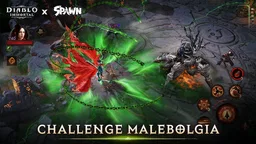
- Responsive controls make combat easy to follow on mobile.
- Distinct classes offer varied combat styles.
- Frequent events provide fresh objectives.
- Co-op activities add replay value.
- Familiar Diablo enemies and settings create a strong fantasy atmosphere.
What could be better
- A persistent internet connection is required.
- Progress can feel slow without spending money.
- Inventory management involves frequent gear comparisons.
- The interface can feel crowded on smaller screens.
- Some activities rely on matchmaking with other players.







