
Dark War Survival review
 Analysis by Appsdrops
I went into Dark War Survival expecting a familiar strategy-game routine: build a safe place, gather what it needs, and try to stay ahead of danger. What kept me interested was the way those aims pull against each other. Every improvement asks for time or resources that could have gone somewhere else, while the dark, post-apocalyptic setting gives ordinary planning a sense of urgency. It is free to start, but it is not a game I would recommend blindly to everyone: the appeal depends on enjoying steady decisions and gradual progress more than instant action.
Every choice has a cost
At its core, this is a strategy game about surviving among the dead. I found it most engaging when I treated progress as a series of priorities rather than a checklist. When several things need attention, the useful question is not simply what can be upgraded, but what will make the next stretch of play easier. Investing broadly can feel satisfying, yet focusing on a pressing weakness may be the smarter choice.
That trade-off is the game’s strongest decision-making hook. A resource spent now cannot also support another immediate need, so I learned to pause before committing just because an option was available. If I was only going to play briefly, a small, practical improvement made more sense than starting a longer chain of tasks. With more time, I could think further ahead and accept a slower payoff. Planning around when you will play again is a useful habit here, not just a way to make the numbers rise.
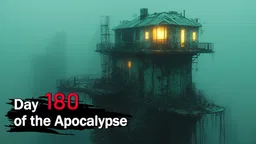
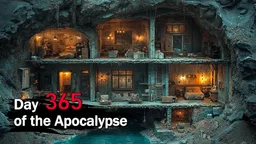
The setting helps those choices feel coherent. This is not a bright, carefree town builder with a zombie skin; the premise gives survival decisions their purpose. Still, players looking for constant hands-on combat should set expectations carefully. The strategy appeal comes from managing progress and risk, not from assuming every moment will be a direct action sequence.
Short sessions need a different plan
A realistic everyday use case is opening the game during a break, checking what needs attention, and deciding what can sensibly be left for later. I would avoid starting something that demands a follow-up at a time I already know I will be busy. Instead, I’d use a short visit to review priorities, make a safe improvement, and leave the next decision clear. That small routine makes the game easier to fit around a day without turning it into a constant obligation.
For a longer session, I would take the opposite approach: look at the whole situation before spending resources, then choose one or two connected goals. The benefit is not that this guarantees success; it is that it reduces scattered decisions. A series of unplanned upgrades can feel productive while leaving the underlying bottleneck untouched. In my experience, the game is more rewarding when each move has a reason.
Risk is part of the reward
The survival theme naturally frames progress as a balance between security and ambition. Moving too cautiously can make advancement feel slow; pushing forward without considering what you are giving up can leave you with fewer options afterward. I liked that tension, though I also found it can make progress feel uneven. If you prefer games where every session delivers a clean victory or a dramatic payoff, this slower strategic rhythm may test your patience.
One practical tip is to avoid treating every available choice as equally urgent. Decide what is currently limiting you, then spend toward that constraint rather than chasing whatever looks most impressive. This is especially helpful when you have only a few minutes: a focused decision is easier to evaluate later than several impulsive ones. I also recommend keeping a mental note of what you meant to do next. Returning with a plan makes the game feel deliberate instead of like a stream of prompts.
There is a further trade-off for players who spend money. The game is free, with in-app purchases ranging from $0.99 to $199.99 per item. That wide span is worth noticing before you begin, even if you intend to play without paying. I would decide on a personal spending limit in advance rather than make a purchase in the middle of a frustrating stretch. If the appeal is solving the survival puzzle, taking time to progress can be part of the experience; paying to reduce friction may not be satisfying for every player.
Adapt instead of repeating a fixed routine
Strategy games can become dull when the best move is always obvious. Here, I found more value in adapting my priorities to the situation than in following a rigid upgrade script. A plan that made sense during one visit might not be the right plan the next time, especially if my immediate needs had shifted. That does not mean every choice is a dramatic fork in the road, but it does reward checking the current state instead of tapping through on habit.
A useful workflow is to identify one immediate need, one longer-term aim, and what you are willing to postpone. That gives each session a manageable shape. If an unexpected demand interrupts the plan, I can adjust without feeling that the whole run has gone wrong. It is a small discipline, but it makes the strategic layer feel more intentional and helps prevent the common trap of spending resources simply because they are available.
This approach also helps answer a common question: can someone enjoy the game casually? I think so, provided “casual” means shorter, irregular sessions rather than expecting deep action in every visit. You can make a little progress at a time, but the experience is less suited to someone who wants to finish a complete tactical challenge in a single sitting. Players who dislike returning to ongoing management may be happier with a self-contained strategy game instead.
Depth grows through patience, not complexity alone
Developed by Omnilojo Pte Ltd, Dark War Survival has a 4.4 average from around 833,000 ratings, and it has passed 10 million installs. Those figures suggest that its mix of survival and strategy has found a large audience, but they do not tell me whether it will match your preferred pace. The more useful question is whether you enjoy making modest decisions that add up over time. I would choose it for that accumulating sense of direction, not for an expectation that every system will be endlessly intricate.
Its version is 1.250.671, and the game requires Android 7.0 or later. It carries an Everyone 10+ age rating. Those details make it easier to judge basic compatibility and suitability, but they do not change the central point: the experience asks for patience. If you want a quick puzzle with a clearly defined endpoint, this is probably not the best fit. If you like watching a settlement and its prospects improve through deliberate choices, it has a more persuasive case.
Compared with the usual alternatives in strategy, the distinction is the survival framing. A conventional city builder may emphasize expansion and comfortable optimization; a competitive strategy game may put more weight on opponents and direct pressure. This title’s identity is tied to staying viable in a dark world of the dead. That focus can make resource decisions feel meaningful, but anyone who wants mostly player-versus-player rivalry or rapid battlefield tactics should look for a game built around those priorities instead.
I would also be cautious about confusing a large player base with a guarantee that every player will enjoy the same pace. The game’s 25,000 reviews and strong average are useful signs of broad interest, but my recommendation is still conditional: try it if you like planning, revisiting a developing situation, and accepting that the best choice may be to wait or redirect effort. Skip it if maintenance-style play feels like a chore or if you want a strategy game that wraps each session into a neat, complete contest.
Who should make room for it?
I’d recommend this to someone who enjoys survival settings, incremental strategy, and thinking a step ahead without needing every session to be intense. It works particularly well for players who can turn a brief check-in into a purposeful decision and who are comfortable letting progress accumulate. The dark premise gives those routine choices a distinct mood, while the free entry point makes it possible to see whether that rhythm suits you before spending anything.
I would steer away from it if you need fast combat, dislike long-term resource choices, or feel pressured by games that include optional purchases. It is also not my first pick for a player who wants a clean start-to-finish challenge rather than an ongoing survival project. Those are not flaws for the right audience, but they are real differences that matter more than the broad label of “strategy.”
My verdict is that Dark War Survival is worth trying when the appeal is thoughtful, gradual survival rather than constant spectacle. It is at its best when I enter with a small plan, spend with a clear purpose, and accept that adaptation matters more than blindly following a routine. Keep purchases optional, give the pacing a fair chance, and it can make a satisfying companion for short planning sessions. If you want immediate action or tightly contained matches, another kind of strategy game will serve you better.
What we like
- Base building adds a satisfying layer of long-term progression.
- Hero abilities give squad battles a welcome tactical element.
- Daily tasks offer clear goals between major story missions.
- Alliance features make coordinated play more rewarding.
- The post-apocalyptic theme creates a distinct survival atmosphere.
What could be better
- Progress can slow considerably as upgrade timers grow longer.
- In-app purchases may provide paying players with a notable advantage.
- Frequent resource gathering can make later stages feel repetitive.
- Alliance benefits depend on finding an active group.
- Limited resources can make choosing upgrades feel unforgiving.







