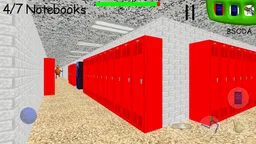
Baldi's Basics® Classic review
 Analysis by Appsdrops
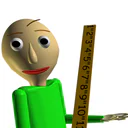
I find Baldi’s Basics® Classic most interesting when I treat it as a deliberately awkward little horror game rather than a conventional school-themed adventure. Its educational look sets up one kind of expectation, then the strange, unsettling tone pushes against it. That contrast is the point: it can be funny, tense, and uncomfortable in quick succession. I’d recommend trying it if you enjoy games that play with familiar settings and make uncertainty part of the challenge, but it is a much less comfortable fit if you want calm puzzles or clearly signposted progress.
Reading the school and finding your bearings
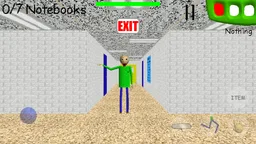
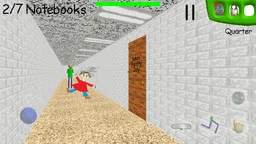
At its heart, this is a strategy game built around paying attention and deciding what to do next under pressure. The school setting gives the action a recognizable frame, but it doesn’t make the experience feel like an ordinary classroom task. I found that the main mental effort comes from keeping track of what seems safe, what has changed, and whether it is worth pausing to think or better to keep moving.
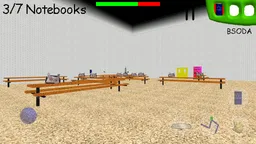
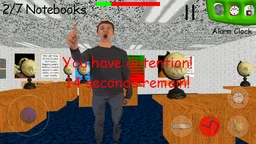
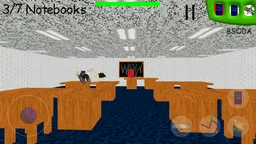
The visual joke is easy to understand, but the mood can make the surroundings feel less straightforward than they first appear. That mix gives the game a distinctive rhythm: I might begin with curiosity, then find myself second-guessing a choice that would feel harmless in a gentler title. If you like learning through experimentation, that uncertainty can be part of the appeal. If you prefer every objective and consequence to be explained clearly, the same quality can feel frustrating.
One useful approach is to treat an early attempt as reconnaissance rather than a test of skill. Notice which parts of the school you can recognize, how quickly the atmosphere becomes stressful, and whether the visual presentation is comfortable for you. This is more helpful than rushing to master everything at once, especially if you are deciding whether the game’s oddball horror-comedy tone works for you.
There is a real distinction between this and the usual strategy game built around a tidy plan, a map full of readable information, or a long chain of deliberate choices. Here, the tension and parody shape the experience as much as the planning does. I wouldn’t pick it as a substitute for a thoughtful, low-pressure tactics game. I would pick it when I want a short, unusual challenge where staying alert matters more than settling into a predictable routine.
The game is the original version of a horror-and-education parody, and that combination is worth understanding before you start. It borrows the appearance of something instructional to create contrast, not to provide a straightforward lesson. I would go in expecting a joke with a sharp, unnerving edge, rather than a child-focused learning tool. That expectation makes the style easier to read and helps avoid a mismatch between the presentation and the actual mood.
What the interface asks of you
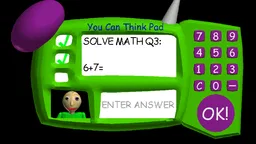
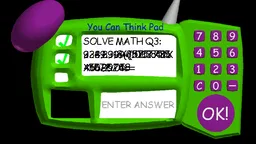
For readability, the key question is not simply whether the game uses familiar school imagery; it is whether you can comfortably follow what is happening while the tone is trying to unsettle you. I recommend playing somewhere you can give the screen your attention rather than glancing at it between other tasks. Even without treating the interface as a puzzle in itself, divided attention makes it harder to notice details and can turn deliberate tension into plain confusion.
I also suggest taking a moment to look around before committing to a fast pace. In a game that depends on unease and observation, quick decisions made before you have a feel for the scene can be less informative than a cautious first look. This is a practical way to make an unfamiliar run more understandable, not a promise that the game will explain every situation or remove its intentional strangeness.
At the catalog level, the game carries an Everyone age rating. That label is useful context, but it does not tell me whether every player will enjoy its horror parody or find its mood comfortable. I would still judge suitability by the individual: someone who dislikes unsettling comedy may want to skip it, while a player who likes playful scares may find the contrast amusing.
Motor and sensory comfort
My biggest caution is that an intentionally tense game can place different demands on different players. A person who finds hurried interaction difficult may have less room to enjoy the atmosphere, while someone sensitive to unsettling presentation may find the mood tiring even if the underlying challenge seems manageable. Those are not reasons the game is automatically inaccessible; they are reasons to consider how you respond to pressure and visual unease before settling in for a longer session.
A low-stakes first try is the best way to judge that fit. If you notice that you are straining to follow the action or becoming more stressed than entertained, pause and decide whether you want to continue. I wouldn’t recommend pushing through simply because the game is short or because other players enjoy its odd humor. A game works best when its tension feels playful to you, rather than like an unwanted demand.
It may also help to choose a quiet moment instead of playing while someone is talking to you or while you are watching for other interruptions. The game’s appeal depends on the contrast between an odd, familiar setting and a more uncomfortable atmosphere; competing sounds and distractions can make that contrast harder to appreciate. This is especially relevant for anyone who wants to assess the mood carefully before deciding whether it suits them.
When and where it fits
Because it is free, Baldi’s Basics can be an easy choice for a brief experiment when you want something different from a polished, conventional strategy game. I can imagine opening it during a quiet break, trying a little, then deciding whether the parody is for me. That is a better use case than expecting it to serve as a relaxing background game: its horror-comedy premise asks for attention, and the tension is less effective if you are only half watching.
It is available for Android, with a minimum operating-system requirement of version 5.1. The current version is 1.4.5. Those details help with the basic compatibility check, but they do not guarantee that the experience will feel comfortable on every device or in every setting. Before committing to a longer session, I’d try it in the situation where I actually expect to play and see whether the screen and controls suit me.
For a concrete everyday example, imagine having a few minutes alone after finishing a task and wanting something more peculiar than a standard puzzle. This could be a good fit if you enjoy unpredictable, unsettling humor and can focus on the game without multitasking. If you are waiting somewhere noisy, sharing attention with a conversation, or hoping to relax before bed with a gentle game, I would choose something calmer instead. The same short break can feel entertaining or draining depending on your mood.
The title was released on December 16, 2019, and was developed by Basically, Games! It is free to play, so the decision is less about an upfront purchase and more about whether this particular blend of parody and horror appeals to you. I would not take its educational styling as a reason to install it for a child without first considering that player’s comfort with unsettling comedy. The age label is one helpful signpost, not a personal recommendation for every family.
Who should look elsewhere
I would steer away from this game if you want a soothing, clearly guided strategy experience, or if you dislike horror presented through exaggerated comedy. I would also hesitate to recommend it to someone who finds uncertainty frustrating and wants a game to explain its rules and intentions plainly. Those preferences do not make the game poorly designed; they simply point toward a different kind of play, where a conventional puzzle or a calmer planning game would be a more comfortable choice.
It is also worth being realistic about what a familiar setting can promise. A school theme may sound approachable, but this is not a substitute for a structured learning app, and the parody framing matters. I would choose a dedicated educational product when the goal is instruction, and a conventional strategy title when the goal is sustained planning with a less unsettling tone. This game is strongest when you want the odd collision between those expectations.
Player response is substantial: it has a 4.2 average from around 208,000 ratings, and it has passed 50 million installs. I read that reach as evidence that the unusual premise has found a broad audience, not as proof that its mood or presentation will suit everyone. The number of reviews is around 9,700, but I’d still make my own decision based on whether the game’s deliberate awkwardness sounds entertaining to me.
A practical way to decide
If you are unsure, I would begin with a short, focused session and ask three simple questions afterward: could I follow what was happening, did the unsettling humor feel enjoyable, and did I want to try again? That tells you more than trying to force a perfect run on your first go. A useful distinction is whether a confusing moment makes you curious to learn more or merely leaves you annoyed. For this game, curiosity is a better sign of a good personal fit than immediate mastery.
For players who enjoy watching how a parody changes the feeling of an ordinary setting, that first session can also be a test of tone. Pay attention to whether the strange presentation makes you laugh, keeps you alert, or crosses into discomfort. There is no need to treat the last reaction as a failure; it simply means another kind of game may serve you better. That is a more useful way to approach horror comedy than assuming its audience must enjoy every unsettling moment.
My inclusive verdict
I see Baldi’s Basics® Classic as a memorable, deliberately uneasy option for players who want a strategy-flavored game with a very particular sense of humor. The free price and long-standing popularity make it easy to sample, while its school parody gives it an identity unlike a standard planning game. Its value depends heavily on personal comfort, though: attention, tolerance for tension, and enjoyment of odd humor all shape whether the experience lands well.
From an inclusive point of view, I would describe it as a game to assess in context rather than recommend universally. A focused, quiet first try can help you judge readability and mood; a rushed or distracting setting may make the experience harder to enjoy. I would skip it if you want calm guidance, dislike unsettling comedy, or need a game whose appeal does not depend on pressure. If you like the idea of a familiar school setting made strange, and you are comfortable with that edge, I think it is worth trying for yourself.
What we like
- The classic-school setting gives the game a memorable identity.
- Randomized notebook locations add variety between runs.
- Short rounds make it easy to play in quick sessions.
- Simple controls are easy to learn.
- The mix of puzzles and chase sequences keeps play tense.
What could be better
- The deliberately rough visuals may not appeal to everyone.
- The loud sound effects can feel startling.
- Some answers depend on trial and error.
- Chases can become frustrating when escape routes are limited.
- The basic premise may feel repetitive after several runs.







