





textPlus: Text Message + Call review
 Analysis by Appsdrops
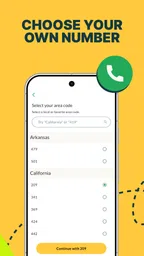
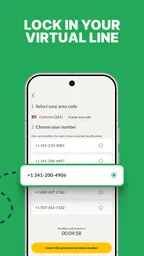
I can see why a second-number texting app is appealing at first: it gives you a way to separate some calls and messages from the number you use for everything else. textPlus is a free social app from textPlus, built around calling and messaging with a second phone number. My view is that it is most useful when that separation solves a real, recurring problem—not simply because having another number sounds convenient.
What feels useful in the first week
In the first few days, the benefit is easy to understand. You can use a separate number for conversations you would rather keep apart from your main line, such as arranging a pickup, contacting a service provider, or responding to a listing. It can also help when you want a practical boundary between personal conversations and a temporary project. The value is less about novelty than about having a distinct place for those interactions.
The app’s promise of texting and calling without a charge for the app itself will naturally attract people trying to avoid adding another conventional line. Still, “free” is not the whole decision: textPlus offers in-app purchases, with items priced from $0.99 to $44.99. I would treat the basic app as a way to try the second-number routine, then check the purchase details carefully before spending money. A paid option only makes sense if it addresses a need you actually encounter.
A realistic use case is coordinating a one-off home repair. I might give the separate number to a contractor, keep the appointment messages together, and avoid mixing them into the conversation history I use with family. The useful part is the boundary, not any promise that a second number will make every exchange private or risk-free. I would still be cautious about sharing sensitive details and would not use an unfamiliar number as a substitute for trust.
There is also an important practical question: will the people you contact be able to reach you in the way they expect? Before relying on a second number for something time-sensitive, I would test both a text and a call with someone I know. That small check can reveal whether the app fits the actual situation before you hand the number to a customer, a neighbor, or a person arranging a meeting.
Where a second number fits—and where it does not
Compared with the usual alternatives, textPlus sits between using your everyday number for everything and maintaining another standard mobile line. A regular carrier line may be the more dependable choice when you need a number tied closely to your phone service or want one account to handle every important call. A mainstream messaging app may be simpler when all your contacts already use it, but it may not provide the same separation of phone-number-based conversations. The right choice depends on what you are trying to separate.
I would not assume that a second number is suitable for every account or verification process. Services can handle alternative numbers differently, and a number intended for casual calls and texts should not automatically become the recovery contact for banking, work access, or other high-consequence accounts. Keep your primary contact method available for anything where losing access would create a serious problem.
The app is rated for Everyone, which makes its intended audience broad, but that should not be confused with a guarantee that every use is appropriate for every age or situation. If a young person is considering it, I would focus on who they may contact, what information they share, and whether a parent or guardian should be involved. The second-number idea is a tool for managing communication, not a replacement for good judgement.
Whether the habit holds up month to month
Once the initial appeal fades, the question is whether you remember to use the separate number consistently. If it is only for occasional errands, you may forget to check it and miss a reply. If you use it for a clear category—say, community sales or a side project—it is easier to remember why it exists. I find that assigning the number one purpose is more useful than treating it as a catch-all spare identity.
That purpose also helps you decide what belongs there. For example, you could direct marketplace conversations to the second number while keeping ongoing relationships on your main line. When a conversation turns into a longer-term commitment, you can decide whether to continue there or move it to your usual contact method. Making that choice deliberately prevents a temporary channel from becoming an unmanaged second inbox.
It is worth deciding how you will handle replies before you share the number. If someone messages while you are busy, will you check the app at a set time, or do you need immediate notifications? I would not give this number to people who need urgent access unless I had already confirmed that the app suits that expectation. A separate channel is useful only if its checking routine matches the urgency of the conversations it receives.
There is a modest organizing benefit in separating contexts, but it comes with a recurring mental cost: you must remember which number you gave to whom. I would keep a simple note in my contacts or personal records indicating the purpose of the number, without recording sensitive conversation details. That makes it easier to recognize an unexpected call and to decide whether the number still serves a worthwhile role.
Maintenance, friction, and what can become tiring
The maintenance burden is not difficult so much as easy to overlook. A second communication channel needs attention: you have to check it, keep track of its purpose, and decide what to do when the original reason for using it ends. If you install textPlus for a short-term task and then stop opening it, people may continue trying to reach you there. I would review the number’s role periodically and stop sharing it when it is no longer useful.
Another source of fatigue is splitting conversations. You may have to remember whether an appointment, delivery, or ongoing discussion was arranged through your main number or the second one. That can be manageable for a narrow use case, but annoying if you spread ordinary conversations across both. For me, the app earns a place only when the separation reduces clutter more than the extra inbox adds.
Calling and texting also depend on the other person being comfortable using the number you provide. Some recipients may not recognize it, while others may prefer to reach you through an established channel. If people repeatedly ask whether the number is legitimate, the supposed convenience can become a chore. In that situation, using your regular number—or an existing messaging service both parties trust—may be smoother.
Costs deserve a little ongoing attention too. The app is free to download, but its in-app purchases range from $0.99 to $44.99 per item. I would avoid buying anything just to make the setup feel more complete. First use the app for the specific routine you have in mind, then decide whether a purchase has a clear, continuing benefit. That approach keeps the initial experiment low-commitment and makes it easier to judge value after the novelty wears off.
Who is likely to keep it installed
textPlus is a sensible trial for someone who can name a recurring reason to keep a second number: separating a side project from personal calls, handling non-urgent arrangements, or creating a distinct contact channel for a defined group of conversations. It is less compelling for someone who already has a reliable way to separate those messages, rarely makes phone calls, or does not want to maintain another place to check.
The scale of its audience suggests that the idea has broad appeal: it has over 50 million installs, an average rating of 4.1 from around 539,000 ratings, and roughly 99,000 written reviews. Those figures can help set expectations that this is an established option, but they cannot tell you whether it fits your habits. I would judge it by whether the people you need to reach can contact you and whether you actually remember to check the app.
Compatibility is another practical filter. The current version is 8.3.7, and it requires Android 7.0 or later. If your device meets that requirement, the more important test is still your routine: do you want a separate number enough to maintain it? If you use iOS, check the app store on your device for compatibility and availability before planning around it.
My long-term verdict
I would keep textPlus installed if I had a clear, ongoing use for a second number and was comfortable checking another messaging channel. Its lasting value comes from compartmentalizing calls and texts, not from simply having an extra number available. For occasional, low-stakes conversations, that distinction can make daily communication feel more organized.
I would skip it if I expected a second number to replace my main line, guarantee acceptance by every service, or eliminate the effort of managing separate conversations. A conventional mobile plan is a better fit when reliability and one unified phone account matter most; a familiar messaging app may be better when the other person already uses it and no separate number is needed.
My recommendation is to start with one purpose, test the number with a trusted contact, and give it a short trial in your actual routine. If it keeps a useful category of messages apart without making you miss replies, it may earn a permanent place. If you keep forgetting to open it or cannot explain why a conversation belongs there, uninstalling it is a reasonable outcome. The app is free to try, but the habit—not the download—is what determines whether it is worth keeping.
What we like
- A free number lets you text without sharing your personal number.
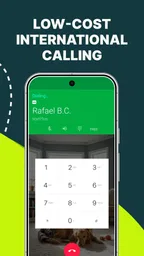
- The app supports calls to phone numbers in the US and Canada.
- Text conversations are easy to organize and revisit.
- Customizable notifications help you keep track of incoming messages.
- It can be useful as a secondary number for online sign-ups.
What could be better
- A reliable internet connection is needed for texting and calling.
- Free calling may require watching ads or earning credits.
- Your number may be reclaimed after a long period of inactivity.
- Some recipients may not recognize texts from an internet-based number.
- International calling rates can vary by destination.





