

Sezzle: Buy Now, Pay Later review
 Analysis by Appsdrops
I think of Sezzle as a payment-planning tool first and a shopping app second. It’s for people who have a purchase in mind and would rather divide the cost into installments than pay the whole amount at once. That can be useful when a necessary expense lands at an inconvenient time, but it can also make spending feel deceptively easy. My main advice is simple: decide what you can afford before browsing, then use the app only if its schedule fits your real budget.
Choosing whether installments actually help
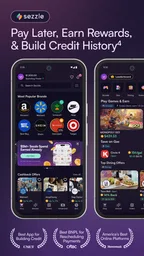
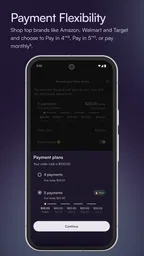
Sezzle: Buy Now, Pay Later is a free shopping app from Sezzle Mobile. Its central appeal is the option to split eligible purchases into four or five interest-free payments, pay over time, and earn rewards. That makes it different from a standard retail app: the key decision isn’t only whether you want an item, but whether breaking its cost into scheduled payments makes the purchase more manageable without squeezing later bills.
I’d start by asking three practical questions. Is the purchase necessary or already planned? Can I cover each payment on its due date? And would paying in installments make me spend more than I intended? If the answers point to a purchase I can comfortably afford, Sezzle may be worth considering. If the plan depends on next month being unusually easy, I’d wait or choose a cheaper option.
The app is aimed at shoppers who want more flexibility at checkout, rather than people looking for a broad catalog of products or a general-purpose budgeting system. The distinction matters: installment payments can help organize the timing of a purchase, but they don’t reduce its total cost or replace a spending plan. I find it most sensible when the item is specific and the payment dates can be checked against other regular expenses.
Sezzle is rated for Everyone, and its Android release history begins on March 21, 2019. The current version is 5.3.23, with Android 7.0 listed as the minimum operating system. Those details make it straightforward to judge whether an older Android device is likely to be compatible, while the age rating indicates the app is intended for a general audience. The payment decisions themselves still call for adult judgment and careful budgeting.
What the payment approach changes
Compared with paying the full amount immediately, splitting a purchase can preserve more cash in the short term. The trade-off is that future income is already committed. I’d treat each planned installment as money that is no longer available for something else, rather than thinking of it as a small extra charge that can be handled later.
A useful habit is to total the payments you expect across all planned purchases before accepting another one. Even if each individual amount looks manageable, several overlapping schedules can turn an otherwise simple month into a puzzle. Sezzle’s appeal is strongest when the arrangement remains easy to track; the moment I need to guess whether enough money will be available, the convenience has stopped being a benefit.
Where Sezzle earns its place
The clearest strength is the way the app brings installment shopping and rewards together. Rather than treating payment timing as an afterthought, it makes that choice central to the shopping experience. For someone who already knows what they need and wants to spread the expense, that focus can be more useful than browsing a retailer’s own app and discovering only at checkout that its payment options don’t suit them.
Consider an everyday scenario: a household item needs replacing, and buying it all at once would make the week’s spending tight. I’d compare the full price with the payment schedule, check the dates against rent, utilities, and other commitments, and use Sezzle only if the installments fit without relying on uncertain money. That workflow turns the app into a deliberate payment choice rather than a reason to add an unplanned item to a basket.
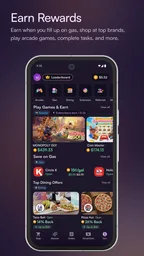
Rewards can add a reason to keep the app in the mix, but I wouldn’t let them decide whether a purchase is worthwhile. A reward is useful only after the underlying item and payment plan make sense. I’d make the buying decision on need, total cost, and affordability first, then treat any reward as a small extra rather than a discount that justifies spending.
Sezzle has an average rating of 4.6 from around 119,000 ratings, and it has been installed over 5 million times. That level of adoption suggests it has reached many shoppers, but popularity is not a substitute for checking whether the installment structure suits your own habits. The most relevant test is whether you can understand and keep track of the commitments you choose.
One non-obvious advantage of planning the payment before checkout is that it can expose a bad purchase earlier. If dividing the cost still leaves the installments uncomfortable, that’s a useful signal to pause, wait, or find a less expensive item. I’d use that moment as a budget check, not as an invitation to stretch the purchase further just because the first payment looks smaller than the full price.
There’s also a practical difference between planned use and habitual use. A shopper who opens the app for a particular expense can keep the decision bounded: one item, one schedule, and a clear reason. Someone who checks payment options every time they browse may find it easier to accumulate obligations. In my view, the app works better as a checkout tool for considered purchases than as a standing prompt to buy more.
When another route is the better fit
If I already have the money available and keeping my finances simple is the priority, paying in full is usually the cleaner alternative. It avoids carrying a schedule of future payments and makes the cost visible immediately. That won’t be the right move for every cash-flow situation, but it is preferable when installments would add tracking work without solving a genuine timing problem.
A retailer’s own app or a standard shopping app may suit someone whose main goal is comparing products, checking stock, or managing orders. Sezzle’s distinctive purpose is payment flexibility, not a promise that every item or retailer will be the best choice. I’d browse and compare independently when selection and product research matter more than how the bill is divided.
A conventional credit option may feel more familiar to shoppers who already manage one carefully, while a debit card or bank payment can be preferable for anyone who wants to spend only money currently available. I wouldn’t switch to an installment service just because it appears at checkout. The better choice depends on which method makes the total cost and future obligation clearest to you.
Sezzle may also be the wrong fit if you dislike tracking due dates, have an unpredictable income, or are already juggling several payment commitments. In those situations, an immediate payment for a cheaper purchase—or simply postponing the purchase—can be safer and less mentally demanding. The convenience of spreading a cost is not worth it if the schedule makes your finances harder to follow.
A simple routine for using it thoughtfully
Before committing, I’d write down the item’s full cost and the installment dates shown for the purchase, then compare them with bills and other planned spending. I’d also decide in advance what amount I’m willing to spend. Setting that limit before opening a shopping flow helps prevent the smaller first payment from making a more expensive option seem affordable.
After making a purchase, I’d keep its schedule visible alongside other regular commitments and revisit the overall total before using the app again. This is a small but meaningful safeguard: it turns separate purchases into one clear picture of future spending. If the app doesn’t fit naturally into the way you already track money, that friction is a reason to simplify rather than add more plans.
Sezzle has 15,000 reviews, and the sheer volume of public feedback can help prospective users see a range of experiences. I’d still focus on my own habits rather than assuming another shopper’s experience predicts mine. Installment tools reward attention and restraint; they are less forgiving when someone treats each checkout as an isolated decision.
Moving over without adding confusion
There is little reason to replace every way you shop at once. I’d try Sezzle for one planned purchase, learn how its payment choice fits my budget, and then decide whether it deserves a regular place in my routine. Keeping other spending methods available also makes it easier to compare the experience instead of assuming the app is automatically the simplest option.
Before relying on it, check the purchase details and payment schedule presented in the app, and make sure you understand what you are agreeing to. The useful question is not merely whether installments are offered, but whether you can meet them comfortably and keep track of them. If a plan feels unclear or inconvenient, choose another payment method rather than pressing ahead for the sake of convenience.
Switching can also create a small organizational cost: you need to remember that a shopping purchase now has future dates attached to it. That’s manageable for a single, deliberate use, but it becomes less attractive as schedules accumulate. I’d keep the number of active plans low enough that I can explain, without checking several screens, what I owe and when.
My recommendation
I’d recommend Sezzle to a shopper who has a specific purchase in mind, values spreading the payment, and is comfortable tracking future commitments. Its free entry point and rewards make it easy to consider, while its focus on installments gives it a clear role among shopping apps. The best case is a planned expense where breaking up the cost improves timing without changing what you intend to buy.
I’d skip it—or use a simpler method—if installments tend to encourage you to spend beyond your budget, if income is too uncertain to plan around, or if you prefer every purchase to be settled immediately. Rewards should not tip that decision. A payment plan is only helpful when it makes an affordable purchase easier to manage, not when it disguises an unaffordable one.
Overall, I see Sezzle as a practical option for controlled, occasional use rather than an automatic choice for every basket. Go in with a spending limit, check the schedule against real expenses, and treat each future payment as already spoken for. If that discipline feels natural, the app may make checkout more flexible; if it feels like another thing to monitor, paying directly or waiting is probably the better fit.
What we like
- Paying in installments can make larger purchases easier to budget for.
- The app brings Sezzle purchases and payment schedules together in one place.
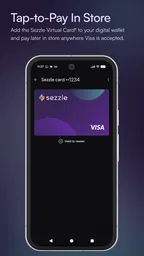
- Eligible users can access a virtual card for shopping at participating stores.
- Payment reminders can help users keep track of upcoming installments.
- Sezzle offers a way to split some purchases without a traditional credit card.
What could be better
- Approval is not guaranteed and may depend on the purchase or account.
- Late payments can lead to fees under Sezzle’s current terms.
- Missed installments may restrict access to future Sezzle purchases.
- Not every retailer accepts Sezzle at checkout.
- Frequent installment payments can make it harder to track total spending.





