


Rakuten: Cash Back and Deals review
 Analysis by Appsdrops
I would judge Rakuten less by the excitement of seeing a cashback offer and more by whether it becomes a useful part of ordinary shopping. It is a free shopping app from Rakuten Rewards, built around earning cashback through participating retailers. That can be worthwhile if you already buy from those stores and are willing to take a small extra step before checking out. It is less compelling if you expect every purchase to qualify automatically or want a discount that reduces the price right away.
What feels useful at the start
The first appeal is easy to understand: browse offers, choose a retailer, and use the app as part of your shopping routine. Rakuten says its service covers more than 3,500 stores, so the idea is not limited to one kind of purchase. I can see the app being most useful when I have a planned purchase and can check whether the retailer I already intend to use is available.
That distinction matters. Cashback works best as a bonus on spending you would have done anyway, not as a reason to buy something unnecessary. In my view, the app’s strongest first-week use is as a quick pre-purchase check: before placing an order, look for the store and review the offer’s terms. That turns browsing into a practical habit rather than a hunt for bargains that may not suit you.
The interface’s purpose is focused, which helps newcomers get the basic idea without needing to learn a complicated shopping system. Still, the offer itself should be treated as conditional rather than as a guaranteed reduction at checkout. Cashback is different from an instant coupon: it may not change the amount charged when you place an order, so anyone comparing final prices should account for that difference.
The app is listed as a Shopping app and carries a Mature 17+ content rating. It has a 3.3 average from around 75,000 ratings, with roughly 25,000 written reviews. Those figures suggest a service that many people have tried, but they are also a reminder to approach it with realistic expectations: a large audience does not mean every shopping trip will produce a smooth or rewarding result.
Build a routine around purchases you already planned
A realistic example is replacing a household item you were going to buy anyway. Before opening your usual retailer, I would check Rakuten for that store, read the offer details, and then proceed only if the terms fit the purchase. This small order of operations is more useful than browsing first and letting a cashback offer shape what you buy.
There is also a practical trade-off between convenience and certainty. If you are making a quick purchase on a retailer’s own app, adding a separate cashback step can feel like friction. If the purchase is expensive or already planned, that extra check may feel worthwhile. I would not interrupt an urgent order or choose a less suitable retailer just to chase a possible reward.
Does it keep earning a place month to month?
Rakuten’s long-term value depends on how often its participating stores overlap with your normal spending. The headline reach of more than 3,500 stores sounds broad, but the useful question for each person is narrower: are the shops you actually use included, and are the terms workable for the purchases you make? A large selection is only valuable when it matches your routine.
I would give the app a fair trial by checking it for a few types of planned shopping rather than judging it on a single order. That helps reveal whether it fits recurring needs, such as replacing something or making a purchase you had already scheduled. If you find yourself opening it naturally before those purchases, it may earn a lasting spot on your phone. If you keep forgetting it or rarely see relevant offers, its presence may not be justified.
Compared with ordinary coupon apps, Rakuten’s central appeal is cashback rather than simply finding a code to enter at checkout. Those approaches solve different problems. A coupon can be more satisfying when it immediately lowers the displayed total, while cashback may suit someone who is comfortable treating a reward as a later benefit. I would compare the actual checkout price and terms, not assume that one method always beats the other.
It is also worth comparing the app with doing nothing. For a small, spontaneous purchase, the time spent checking another service may outweigh the potential benefit. For a planned order, a brief check is easier to justify. That is the recurring-value test I would use: does the app add useful savings without changing what I buy or making the purchase process annoying?
Keep the process simple, not obsessive
A useful approach is to check only when you have a real purchase in mind. That limits aimless browsing and makes it easier to remember why you opened the app. I would also read each offer’s conditions before relying on it, since the presence of a retailer does not by itself establish that every item, transaction, or shopping route qualifies.
For online shopping, it is sensible to start from the offer in Rakuten and follow the instructions shown there rather than assume that opening the retailer separately will count. This is a careful workflow, not a promise that every transaction will be tracked. If a purchase does not appear as expected, the offer details and the app’s support options are the natural places to check before making assumptions.
Another useful habit is to keep cashback separate from budgeting. I would plan the purchase using the amount I am actually paying at checkout and treat any reward as an extra, not money already available to spend. That avoids letting an uncertain future benefit justify a purchase that does not fit your budget.
Maintenance, friction, and the point where it gets tiring
The maintenance burden is modest when the app stays a quick checkpoint, but it grows if you feel obliged to inspect every offer or track every possible saving. The app is most comfortable as an occasional tool: open it when a planned purchase makes the check worthwhile, then return to your normal shopping. If you have to reorganize your routine around it, the reward may not feel worth the effort.
Some friction is built into the idea of cashback. You must remember to check before buying, understand the offer’s conditions, and accept that the benefit may not appear as an immediate discount. Those steps can be easy to overlook when shopping on the move. If you routinely buy in a hurry, a direct coupon or a retailer’s own clearly displayed discount may be the simpler choice.
Offer availability can also make the experience feel uneven. A useful retailer today does not guarantee that every future purchase will have an offer that suits you. I would avoid treating a displayed offer as a reason to switch stores without comparing delivery, product choice, and the final amount you will pay. Cashback is only one part of a purchase decision.
The average rating of 3.3 is not a verdict on any one person’s experience, but it does encourage me to keep expectations measured. With a cashback service, people may care about different things: ease of use, whether a purchase tracks, how clear the terms feel, or how worthwhile the reward seems. My practical advice is to test the process on a purchase you already intend to make and decide from that experience, rather than assuming the app will suit every order.
Rakuten has been available since March 19, 2014, and its current version is 13.22.0. It requires Android 8.0 or later on Android devices. The service has passed 10 million installs, which indicates broad adoption, but neither longevity nor reach guarantees that it will fit your habits. What matters more is whether you can use it without adding an annoying extra task to shopping you already do.
Who is likely to keep it installed?
I would recommend trying it if you shop regularly with retailers represented in the app, plan purchases in advance, and are comfortable treating cashback as a benefit rather than an instant price cut. It may also suit people who enjoy checking offers before larger or less frequent orders and do not mind a short detour in their shopping routine.
I would be less enthusiastic if you rarely shop online, strongly prefer immediate discounts, or tend to forget extra steps once you reach checkout. It is also not the right fit for someone who might spend more simply to make a reward feel worthwhile. In those situations, a straightforward sale price or a coupon that applies directly may be more useful and easier to evaluate.
My long-term verdict
Rakuten is most convincing as a low-effort check before planned shopping, not as a reason to shop more. I would keep it installed if I repeatedly found relevant retailers and could remember to use it without turning every purchase into a search for offers. Its free price makes trying that routine accessible, but free does not mean frictionless: your time, attention, and willingness to follow the terms still count.
The app’s lasting value is personal and practical. A person whose regular shopping overlaps with participating stores may find that a quick check becomes a sensible habit. Someone who mainly makes spontaneous purchases or wants savings applied immediately may find the extra step less appealing. I would start with one planned order, follow the offer instructions carefully, and then decide whether the experience is smooth enough to repeat.
Overall, I see Rakuten as a useful companion for deliberate shoppers, with a clear limitation: cashback only helps when the offer fits a purchase you already want to make. If the app stays in that supporting role, it can earn a place on your phone. If it creates more checking than value, it is perfectly reasonable to rely on direct discounts instead.
What we like
- Cash back is available at a wide range of participating retailers.
- The app is free to download and use.
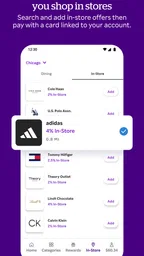
- In-store offers are available alongside online deals.
- Shopping through the app makes eligible purchases easy to track.
- A browser extension can help users find offers while shopping online.
What could be better
- Cash back may take time to become available for withdrawal.
- Some purchases or products may not qualify for cash back.
- Users must activate offers or follow tracking steps to earn rewards.
- Payout options and minimums may vary by location.
- Deal availability and reward rates can change without notice.





