





Quince: Luxury Essentials review
 Analysis by Appsdrops
I approached Quince as a shopping app for people who want to browse clothing and home goods without treating every purchase like a research project. Its appeal is the chance to look across several kinds of everyday essentials in one place, rather than hopping between specialist retailers. In my view, that makes it most useful when I have a general idea of what I need but am still comparing options. It is less compelling if I want a broad marketplace with many independent brands or prefer to inspect products in person before buying.
What the app is useful for now
Quince: Luxury Essentials is a free shopping app from Quince, and its focus spans apparel, home items, and other goods. That range makes it easier to move from browsing a wardrobe staple to considering something for the home without changing apps. The trade-off is that the experience is centered on one retailer’s selection, not the sprawling variety found on general shopping marketplaces.
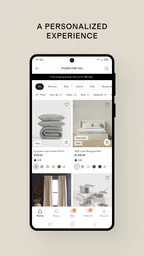
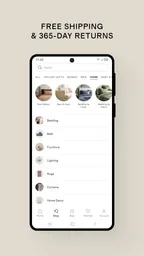
I would use it for deliberate browsing rather than urgent errands. If I needed to replace a basic clothing item or look for a household purchase, I could open the app, explore relevant categories, and compare what Quince offers before deciding whether anything fits the need. That is a practical role for a retailer’s app: it gives a shopper a focused place to assess one store’s assortment, instead of promising to search the whole market.
The distinction matters when deciding whether to install it. Someone who already shops with Quince may find a dedicated mobile storefront more convenient than returning to a browser. Someone who is only looking for the lowest price across many sellers will probably do better with a comparison-oriented marketplace. I see this as a useful companion to a shopping routine, not a universal replacement for every way of buying clothes and home goods.
A focused store rather than a general marketplace
In a typical marketplace app, selection is the headline: many sellers, overlapping products, and a wide range of prices can make it possible to compare similar items side by side. Quince offers a different kind of value. It keeps the shopper within the developer’s own retail experience, which can feel more coherent when I want to browse that particular assortment. The limitation is just as clear: if the item I have in mind is not part of Quince’s range, the app cannot solve the search by surfacing another seller.
That makes it worth opening with a specific question in mind. Am I looking for something Quince might carry, or am I simply shopping for the category wherever it is available? The first situation suits this app. The second calls for a broader retailer or marketplace. I would also avoid assuming that a broad assortment means every category will be equally useful for every shopper; a store’s range can be relevant to one person and a poor match for another.
Everyday browsing that has a purpose
A realistic use case is a quiet evening when I realize I need to replace a worn wardrobe basic and also want to look for a home item. Rather than opening several retailer apps immediately, I could check Quince first and see whether its selection covers either need. If I find a candidate, I can then evaluate it on its own merits; if I do not, I can move on without spending the evening browsing unrelated listings.
That simple workflow is more useful than aimless scrolling. I would start with the most definite need, then browse the second category only if I still have time and attention. This reduces the chance of treating a shopping app as entertainment and making a purchase simply because something caught my eye. A focused store can make browsing feel manageable, but the responsibility to compare the actual item and decide whether it suits the need remains with me.
For people who like to plan purchases, I would also use the app as a place to inspect a retailer’s current range before making a shortlist elsewhere. The useful comparison is not just “which app has more products?” It is whether this store’s selection gives me enough suitable choices to make a decision. If I already know I want to shop from Quince, that focused view has value. If I have no retailer preference, starting with a multi-brand alternative is more efficient.
How I would judge a product before buying
I would not let polished images or a convenient browsing experience stand in for practical checks. For apparel, I would think about how the item needs to fit into clothes I already wear and whether its intended use matches my routine. For home goods, I would consider the space, the job the item needs to do, and whether it works with what I already own. Those questions are especially helpful when shopping on a phone, where it is easy to move quickly from browsing to checkout without pausing to picture the product in daily life.
My advice is to make a short mental checklist before shopping: what problem am I solving, what qualities matter most, and what would make me pass? That approach is more dependable than browsing until something feels appealing. It also helps when the app is one stop in a larger comparison. A product can look promising in Quince’s assortment and still not be the right choice once I consider fit, use, or alternatives available elsewhere.
For a shared household purchase, I would decide on the requirements before showing someone else a product page. Agreeing on the purpose and constraints first keeps the discussion grounded in the item’s role rather than its presentation. This is a small but useful habit in any shopping app, and it is particularly relevant when the same retailer covers both personal and home needs: the variety invites browsing across interests, but a clear plan keeps the session practical.
Release context and what it means for shoppers
The app was released on January 16, 2026, and its current version is 1.261112.0. Those details establish a recent release point and identify the build a shopper may encounter, but they do not by themselves tell me what has changed between versions. I would not treat a version number as proof of a redesigned storefront, new shopping tools, or improvements to checkout. The useful evidence for a shopper is what the app actually does during use and whether it supports the kind of browsing they want.
For someone already shopping with Quince, the practical question is whether the app offers a more convenient way to return to the retailer’s assortment than their existing routine. A dedicated app can be a straightforward place to browse, but changing from a browser or another shopping method is only worthwhile if the mobile experience fits naturally into the person’s habits. I would try it for a real shopping task rather than installing it simply because a new version exists.
For a first-time shopper, the release date is less important than the retailer fit. The app is rated for Everyone, and it has an average rating of 4.3 from 703 ratings. That is a useful broad signal that many people have evaluated it, but it should not be read as a guarantee that every shopper will find the assortment, product information, or shopping flow suitable. I would still judge it against my own needs and expectations.
It has passed 100,000 installs and has 189 written reviews. Together, those figures suggest it has attracted a meaningful audience, while the smaller pool of written feedback compared with ratings means there is less detailed commentary to draw on than the overall rating alone might imply. I would treat user sentiment as context, not as a substitute for checking whether the app serves my particular shopping purpose.
What the release facts can—and cannot—tell me
A release date and a current version number are useful for identifying the app’s point in time, but they do not reveal a complete development history. I cannot responsibly infer from them alone that the app has recently added a feature or fixed a specific problem. For existing users, the sensible approach is to notice whether the current build works better for their own routine, rather than expecting a particular change based on the version label.
That distinction is especially important in shopping apps. A change that matters to one person might be invisible to another: someone who mainly browses apparel may care about a different part of the experience from someone looking for home items. I would judge any update by whether it makes a real task easier, such as locating the kind of item I want or continuing a purchase decision without unnecessary friction. Until I can observe that effect, expectations should stay modest.
The minimum operating system requirement is 8.0. Before installing, I would check the software version on the device I plan to use; that is a quick way to avoid downloading an app that cannot run on an older phone or tablet. Compatibility is a practical first check, not a measure of how useful the shopping selection will be once the app opens.
Where the experience may not be enough
The main limitation is the natural one for a single retailer’s app: it can show only the retailer’s own offer. If I want to compare a wide range of labels, sellers, or price points in one search, a broad marketplace is the better starting point. If I need to touch fabric, test an item, or assess a household product physically before buying, a store visit may be more reassuring than any mobile storefront.
There is also a difference between browsing a category and finding the right item. Apparel decisions can depend on personal fit and how a piece feels in everyday use, while home purchases may need careful thought about dimensions, materials, and placement. I would not assume that a convenient app removes those uncertainties. It can help me discover what is available, but my decision still needs to account for the way I will use the product.
Another possible source of friction is simply having another retailer app to manage. If I make only occasional purchases from Quince, a browser may already be enough for me. Installing a dedicated app makes more sense when I expect to return to the store, want a direct mobile route to its assortment, or find that browsing on a phone is part of my regular shopping routine. I would skip it if I am trying to reduce app clutter and have no clear reason to shop this retailer.
Who should try it—and who should look elsewhere
I would recommend giving it a try to shoppers who are specifically interested in Quince’s mix of apparel and home goods, especially those who like browsing a retailer’s own range before making a purchase. It may also suit someone who wants one focused shopping destination for more than one kind of everyday item. The free price makes trying the app a low-commitment decision, though a free download does not automatically make the products themselves the right choice.
I would point frequent deal hunters toward a comparison service or general marketplace first. Those tools are better suited to discovering competing sellers and checking a broad spread of options. I would also suggest an in-person retailer when tactile judgment is central to the purchase. Quince is most useful when the shopper is open to its assortment and values a focused store experience more than the widest possible selection.
My overall view is that Quince: Luxury Essentials is best understood as a convenient mobile route to one retailer’s shopping world, not as a complete answer to every shopping need. I like the clarity of that role: it can help me explore clothing and home purchases in one place, while the boundaries of a single retailer remain obvious. I would install it when I expect to shop Quince, use a clear purpose to guide browsing, and compare elsewhere when variety or physical inspection matters more.
What I would watch over time
For current and returning users, the most useful thing to watch is whether future versions make ordinary shopping decisions easier in practice. I would pay attention to how naturally I can move through the categories I care about, whether product choices are easy to assess, and whether the app earns a place in my routine instead of duplicating a browser. Those are grounded ways to judge evolution without assuming that a version change necessarily brings a particular feature.
Ultimately, the app is worth considering when Quince itself is part of the plan. If I am looking for that retailer’s selection, a dedicated shopping app is a sensible way to explore it. If I need a wider market, stronger direct comparison, or the confidence of examining a product in person, I would choose another route. That distinction is the clearest guide to whether this app will be useful on my phone.
What we like
- A focused catalog makes browsing premium basics straightforward.
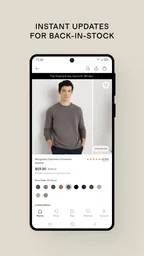
- Product pages provide clear photos and sizing details.
- The clean interface keeps the shopping experience easy to follow.
- Account tools help shoppers track orders and manage returns.
- Seasonal collections make it simple to discover updated styles.
What could be better
- Premium pricing may be a barrier for some shoppers.
- Some sizes or colors may sell out quickly.
- Fit can vary across different product styles.
- Shipping times may be longer during busy periods.
- The app's value is limited for shoppers outside its delivery areas.





