
Four | Buy Now, Pay Later review
 Analysis by Appsdrops
Four is a shopping app built around a simple idea: split the cost of an online purchase into payments that feel easier to manage. I see its appeal most clearly when a purchase is necessary but the full amount is awkward to pay all at once. The trade-off is just as important: paying later can make a purchase feel smaller than it really is, so the app works best as a payment tool for a planned budget, not as a reason to shop more.
A different way to handle an online purchase
Four, made by Four Technologies, Inc, sits in the shopping category, but its main draw is the payment approach rather than a broad promise of endless browsing. The app is free to download, rated for Everyone, and has a 4.3 average from around 14,000 ratings. More than a million people have installed it, which suggests it has found an audience among shoppers interested in paying in parts.
That framing matters when deciding whether it belongs on your phone. I would not treat Four as a replacement for every retailer’s own checkout or for a standard credit card. I would consider it when I already know what I want to buy and want to see whether a flexible payment option fits my cash flow better than paying the whole sum immediately.
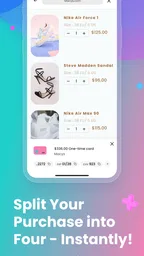
The central convenience is practical: instead of making the entire purchase amount leave your account at once, you can use a payment plan designed to divide the cost. That can be useful for a household item, a replacement for something that has broken, or a purchase that is easier to budget across several pay periods. It is less compelling for impulse buys, where the smaller-looking instalment can distract from the total commitment.
Where the payment approach helps
My strongest case for Four is a planned purchase with a clear purpose and a total that you can afford. Imagine a necessary replacement item arriving at an inconvenient point in the month. If waiting would cause a real problem, spreading the payment may help you avoid draining the money set aside for groceries or transport. The app’s value in that situation is not that the item becomes cheaper; it is that the timing of the outflow may be easier to manage.
A useful habit is to decide your maximum total spend before opening a shopping app. Then compare the full price with your available budget, not just the amount due at the first step. I would also keep a note of the remaining payments and their timing somewhere I already check, such as a household budget or calendar. That small bit of planning reduces the chance that a convenient checkout turns into a surprise later.
Four is best approached as part of a buying workflow, rather than as a place to browse until something catches your eye. I would choose the item and retailer first, check whether the purchase makes sense at the full price, and only then consider a split-payment option. This order helps separate “I can manage the payment schedule” from “I should buy this.” They are not the same decision.
Another practical trade-off is how often you use this kind of payment. One carefully planned purchase is easier to track than several overlapping ones. Before committing to a new plan, I would add up the payments already scheduled across all services and cards. That check is especially useful if you sometimes shop through different retailers, because no single checkout screen necessarily gives you a complete picture of your monthly obligations.
What it cannot solve
Flexible payments do not make an unaffordable purchase affordable. If the total price already strains your budget, splitting it may simply move the pressure into future weeks. I would skip Four when I am relying on an uncertain paycheck, when essential bills are already tight, or when I cannot comfortably explain how each scheduled payment will be covered.
The broader buy-now-pay-later category also asks for more attention than a straightforward debit-card purchase. With a single full payment, the money is gone and the transaction is easy to mentally close. A payment plan stays active in your budget after the parcel arrives. If you dislike tracking commitments or tend to forget smaller recurring obligations, that ongoing mental load may outweigh the convenience.
There is also a comparison worth making at checkout. A retailer’s usual payment option may be simpler if you can pay in full without disrupting your budget. A credit card may suit someone who already manages a card carefully and prefers keeping purchases in one place. Four is most relevant when its particular payment arrangement is a better fit for your needs; I would compare the total, timing, and any terms shown before choosing, rather than assume that paying in parts is automatically the better deal.
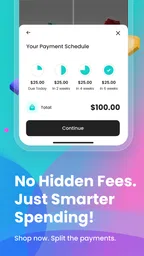
Because the app’s appeal depends on the purchase and the payment arrangement available for it, I would not make a shopping decision based only on the first amount displayed. Read the checkout details before confirming, and make sure you understand when later payments are due. If the schedule is unclear or does not match your income pattern, the sensible choice is to use another payment method or wait.
Who is likely to get the most from it
I would recommend trying Four to people who shop online, plan their purchases, and want another way to organize a manageable expense. It may be particularly useful when a necessary item cannot reasonably wait but paying the entire amount at once would make the rest of the month uncomfortable. The app is also a better fit for someone who regularly checks their budget and is willing to keep track of future payments.
It is less suitable for shoppers who are trying to reduce discretionary spending, who often buy on impulse, or who already have several payment plans running. It is also not the right fix for ongoing money problems: moving a bill into instalments does not increase income or remove the underlying cost. If you need to borrow to cover basic expenses repeatedly, I would focus on getting financial guidance rather than adding another checkout option.
For a first use, I would keep the decision deliberately small and straightforward: select a purchase you would make anyway, review the full amount and schedule, and check that the later payments fit alongside rent, utilities, food, and existing commitments. That is a more revealing test than using the app on a treat bought in the moment. If the process feels easy to understand and the payments fit comfortably, the tool is doing something useful for you.
Four is on version 1.17.91 and supports Android 8.0 or later. Those details make it worth checking the app-store compatibility information before installing on an older device. The app has accumulated around 5,700 reviews, but I would still judge whether it suits you by the payment terms presented for your own purchase and by how well the schedule fits your finances, rather than by popularity alone.
My verdict on Four
I find Four most convincing as a controlled budgeting convenience: it can make a planned online purchase easier to fit into the timing of a household budget, but it does not reduce the price or remove the need to plan. That distinction is the heart of my recommendation. Used with a firm spending limit and a clear view of future payments, it can be a useful option to have at checkout.
If you are comfortable paying in full and prefer a clean, one-and-done transaction, your regular payment method may be simpler. If you want to buy more than your budget allows, Four is not a safe workaround. But if you have already chosen a necessary purchase, can afford its full cost, and simply want to spread the outflow, Four can be worth considering as a practical payment alternative. I would use it selectively, keep the full total in view, and never let a smaller initial payment make the buying decision for me.
What we like
- Split eligible purchases into four payments with no interest.
- The checkout process is designed to be quick and simple.
- Payment schedules are visible in the app.
- Users can track purchases and upcoming installments in one place.
- The service can help spread the cost of eligible purchases over time.
What could be better
- Late payments may incur fees depending on the account and purchase terms.
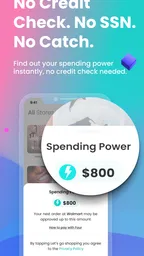
- Approval is not guaranteed for every purchase.
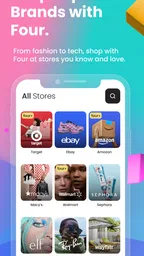
- Some merchants or transactions may not be eligible.
- Missed installments can affect access to future payment plans.
- Using several plans at once can make budgeting more difficult.





