

Fetch: Receipts For Gift Cards review
 Analysis by Appsdrops
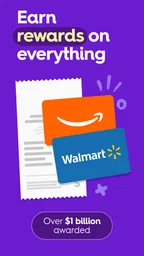
I like shopping apps best when they fit around errands I already make, rather than asking me to plan a shopping trip just to earn a reward. Fetch takes that low-effort approach: I use it to submit receipts from everyday purchases and collect points that can be exchanged for rewards. It is a free shopping app from Fetch Rewards, and its appeal is easy to understand: instead of chasing a different offer before each shop, I can make receipt submission part of the routine afterward.
How Fetch fits into everyday shopping
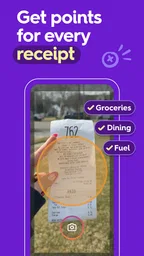
The basic idea is straightforward, but the useful distinction is that Fetch is centered on receipts, not on choosing a particular store before I shop. That makes it convenient when my week includes a grocery run, a quick stop for household supplies, and a few unplanned purchases. I can keep the receipt and deal with it later rather than interrupting checkout to manage an offer.
In a realistic week, I might buy groceries on the way home, pick up toiletries a day later, and grab snacks during another errand. Fetch makes those separate purchases feel like opportunities to earn from shopping I was already doing. The points are a bonus, not a reason to buy more. I would not change brands or add items to a basket unless I genuinely wanted them; rewards are most worthwhile when they come from spending I had planned anyway.
That receipt-first habit is also where the app asks for a little user discipline. A receipt can be easy to forget in a coat pocket or shopping bag, so I would make submission part of unpacking groceries or sorting the day’s purchases. Taking care of it promptly is more practical than letting several receipts pile up and trying to remember which one came from which trip.
Fetch has been available since December 7, 2016, and its current version is 4.69.1. Those details show a product with a long-running presence and continued versioning, but they do not tell me what changed between releases. I would judge the current experience by whether it makes the routine of capturing and submitting receipts clear and dependable, rather than assuming that a newer version necessarily changed a particular feature.
A simple workflow, with a few useful habits
My practical approach is to keep receipts intact, open the app when I have a moment, and follow its submission flow while the purchase is still fresh in my mind. Clear, flat receipts are easier to handle than crumpled ones, especially if the printed text is faint or the paper has been folded several times. If I have multiple receipts, I would submit them separately and check that each one has been captured before throwing the paper away.
One non-obvious benefit of this workflow is that it makes Fetch less demanding than a shopping routine built around remembering discounts before checkout. I do not need to turn every errand into a research session. The trade-off is that a receipt-based approach is only as useful as my follow-through: if I rarely keep receipts or do not want to spend a moment submitting them, the rewards will remain theoretical.
I would also treat receipt rewards as a small return rather than a dependable household budget strategy. The app can add value to purchases I already make, but it cannot make a high-priced item a good deal by itself. Before buying something mainly because it might earn rewards, I would compare the ordinary price with alternatives and ask whether I would still want it without the points.
Who is likely to get the most from it
Fetch suits people who make regular purchases, leave with paper receipts, and are happy to do a brief follow-up task after shopping. It may be especially convenient for someone who handles several kinds of errands and does not want to keep track of a different coupon routine for each one. If I already sort receipts for household records, adding a rewards submission to that moment feels natural.
It is less compelling for someone who shops almost entirely without receipts, dislikes scanning or photographing paper, or expects large returns from every transaction. It also is not the right fit for a shopper who prefers to plan purchases around specific discounts and compare prices before leaving home. In that case, a conventional coupon or cashback service may better match the goal, provided its offers suit the stores and products that person actually uses.
Fetch is rated 4.8 on average, with around 1.7 million ratings and 298,000 reviews. It has over 10 million installs, which suggests that receipt rewards have broad appeal, though popularity alone cannot guarantee that the workflow will suit me. The app is free and rated for Everyone, so the decision is less about an upfront cost and more about whether I find the receipt routine worthwhile.
What the version history can—and cannot—tell me
A current version number is useful context, but it is not a feature list. I would not infer from 4.69.1 that Fetch has added a particular reward option, improved receipt recognition, or changed how points work. Those are the kinds of details I would check in the app itself and in its release notes when deciding whether an update affects my own routine.
For existing users, the sensible expectation is continuity in the core idea: submit shopping receipts and earn rewards. Version changes can improve or adjust an app, but the version number alone does not establish what has changed. If I already use Fetch, I would keep my existing habit, update through the app store as appropriate, and look for changes that affect the steps I actually use instead of assuming a complete redesign.
For a new user, the same distinction matters. Fetch’s long-running availability and current version are signs that it is an established app, not proof that every receipt will be effortless to submit or that every purchase will produce the same result. I would start with a normal receipt from an ordinary errand and see whether the process feels clear before building it into a weekly routine.
Where the experience can feel limited
The main friction is that earning depends on taking action after shopping. People who throw receipts away immediately may have to change that habit, and anyone who prefers a fully automatic rewards experience may find the extra step inconvenient. Receipt quality can matter in practice too: paper that is damaged, faded, or difficult to photograph can make a quick task less quick.
There is also a difference between collecting points and getting a meaningful saving. Fetch can make routine purchases feel a little more rewarding, but it is not a substitute for checking unit prices, avoiding impulse buys, or choosing a cheaper product. I would keep those decisions separate: shop for what I need at a reasonable price, then treat any Fetch reward as an added benefit.
Compared with store-specific loyalty programs, Fetch’s receipt-based approach is appealing when my purchases are spread across different errands. A store program may be better when I shop repeatedly at one retailer and want that retailer’s own discounts or benefits. Compared with coupon apps, Fetch asks less of me before checkout but more of me afterward. The better option depends on whether I would rather plan around offers in advance or submit receipts once the shopping is done.
Questions I would settle before making it a habit
Can I use it for ordinary shopping rather than only special trips? The app’s receipt-reward concept is designed around daily shopping, so its natural role is to complement purchases I already make. I would not schedule an extra trip solely to earn points, because that risks spending more than the reward is worth.
Do I need to prepare before going to the store? The receipt-first workflow makes Fetch feel less dependent on pre-shopping planning than a coupon routine. Still, I would keep receipts in good condition and submit them soon after a purchase. That simple habit reduces the chance of losing the paper or forgetting what it belongs to.
Is it better than a cashback or coupon alternative? Not for everyone. I would choose Fetch if I value a broad, after-the-fact receipt routine across everyday shopping. I would lean toward a cashback option if I care more about a direct return tied to a particular transaction, or a coupon tool if I enjoy planning purchases around specific discounts. Those alternatives can be more useful when their offers match my shopping habits closely.
Will the app suit someone who rarely shops in person? Probably less well. Its central routine depends on having receipts to submit, so someone whose purchases rarely produce receipts may have fewer natural chances to use it. Before committing to a habit, I would consider how often I actually bring home receipts, not just how appealing rewards sound in theory.
My verdict: a worthwhile extra, not a reason to spend
Fetch makes the most sense as a small, repeatable add-on to shopping I already do. I appreciate that its central idea does not require me to turn every errand into a hunt for offers, and its long-running presence makes it an established choice in receipt rewards. The strongest practical tip is simple: submit receipts while unpacking or sorting purchases, before they disappear into a drawer or bin.
I would recommend it to a friend who keeps receipts, shops regularly, and is comfortable doing a little work after checkout. I would tell someone seeking guaranteed savings, automatic returns, or a reason to buy more to look elsewhere—or at least to compare alternatives before relying on it. The app is best when the rewards remain a bonus attached to sensible purchases, and that is the standard I would use to decide whether it deserves a place on my phone.
What we like
- Earn rewards by scanning eligible shopping receipts.
- Connect retailer accounts to earn without scanning every receipt.
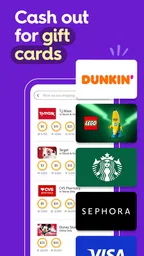
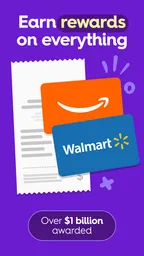
- Redeem points for gift cards from popular brands.
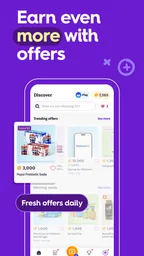
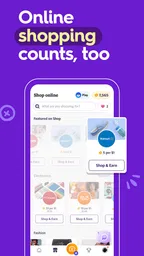
- Browse offers to earn extra points on qualifying purchases.
- Receipt scanning is straightforward for occasional use.
What could be better
- Some receipt scans may take time to process.
- Not every receipt or purchase qualifies for points.
- Rewards can vary by retailer and current offers.
- A linked retailer account may be needed for automatic earnings.
- Gift card choices and redemption values can change.





