


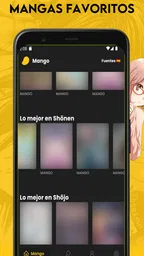
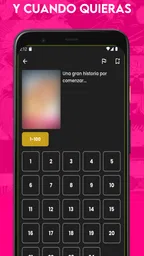
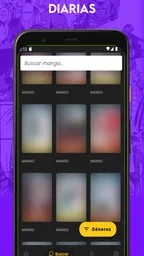

Mango: Lector de Manga Español review
 Analysis by Appsdrops
When I want to read manga on my phone, the ideal app is one that gets me from opening it to reading with as little fuss as possible. Mango: Lector de Manga Español is aimed squarely at that habit: it is a comics app built around reading manga, and its store summary puts the appeal simply—read your favorite manga for free. I found its strongest pitch easy to understand, especially for readers who want a dedicated place for manga rather than a general-purpose reading app.
From opening the app to settling into a manga
The reading journey starts with a straightforward expectation: find something you want to read, open it, and spend your attention on the story. That sounds simple, but it is also the standard I use to judge any manga reader app. The app’s identity is clear from its name and purpose, so there is little ambiguity about what kind of reading it is meant to support.
In practice, I would approach Mango as a focused manga-reading option rather than an all-in-one entertainment platform. That distinction matters. If manga is already what I’m looking for, a specialist app feels more relevant than one that mixes comics with unrelated content. The free-to-read message gives the experience an inviting starting point, while the app’s Teen content rating is a useful signal for readers and families thinking about age suitability.
My first impression is that Mango works best when I arrive with a clear reading intention. I’m not opening it to browse a broad range of media; I’m there for manga. That kind of focus can make an app feel approachable, because the purpose is immediately apparent. For a casual reader, the key question is less about a long list of extras and more about whether the app fits naturally into the small moments when I want to read.
A simple reading routine
My imagined routine is familiar: I open the app when I have a few minutes, choose a manga, and continue reading. The appeal of this format is that it suits short breaks as well as longer sessions. A phone is always close at hand, so a dedicated manga app can make it easy to return to a story without setting up a separate reading space.
That convenience is the central outcome I look for. A good manga reading experience should keep the reader’s attention on the comic, not make every visit feel like a new task. Mango’s clear manga-first positioning gives it a reasonable starting point for that routine. It is the sort of app I would consider when I want my reading habit to live on my phone and remain easy to pick up again.
Still, an app’s purpose and its real-world fit are not quite the same thing. The usefulness of any reading app depends on whether its content and presentation match what the individual reader wants. I would therefore treat Mango as a practical option to explore, rather than assume it will suit every manga fan equally. The best first test is simple: open it with a particular kind of story in mind and see whether the experience feels right for your routine.
Picking up and continuing a story
The handoff from discovering a manga to actually reading it is where a comics app earns its place. I want the transition to feel natural: browsing should lead to a clear choice, and choosing should lead into the story without distracting detours. Mango’s promise is easy to grasp, but my recommendation is to judge it by how comfortably it supports that personal sequence on your own device.
Once I’m reading, the most important part is whether I can stay absorbed. Manga relies on the relationship between its artwork, panels, and pacing, so the app should serve as a quiet frame for the comic. I prefer a reader that lets the material take centre stage. That is the standard I would bring to Mango, rather than expecting it to transform the way manga works.
There is also a useful distinction between a free entry point and the full range of possible spending. Mango is free to download, while it offers in-app purchases priced from $1.99 to $69.99 per item. For me, that makes it sensible to begin with the free experience and consider any purchase only if it clearly adds value to the way I read. It is a straightforward approach: try the app first, then decide whether spending fits your own preferences.
Who may enjoy Mango
I can see the app appealing to readers who want a dedicated manga destination and are comfortable reading on a mobile device. It may also suit someone who is just building a manga habit and wants a simple place to begin exploring. Because the stated audience rating is Teen, it is worth keeping that age guidance in mind when deciding whether the app is appropriate for a younger reader.
The title also signals a Spanish-language focus, which can be especially relevant for readers who prefer manga in Spanish. Language is not a minor detail in comics: dialogue, humour, and emotional nuance all depend on a reader feeling at home with the text. If Spanish is your preferred reading language, that positioning may make Mango more appealing than a manga app oriented toward another audience.
For established fans, the decision is more personal. Some readers care most about finding a particular series; others want an app that fits neatly into a daily routine. I would use Mango as a candidate in that search, then assess whether its available reading choices line up with what I actually want. The app’s basic proposition is strong enough to explain why someone would try it, but a comfortable match is what turns a first visit into a lasting habit.
Where the flow can feel less smooth
The natural friction point for a focused reading app is the gap between what I want to read and what I can readily find. That is not unique to Mango; it is part of choosing any catalogue-based comics app. If I open an app with one specific title in mind, my satisfaction depends on whether that title is available and whether I enjoy the way the app presents the reading experience. I would avoid assuming that a general promise of free manga automatically means every reader’s favourite series will be there.
Another point to keep in mind is the difference between “free” as an invitation and purchases as an optional part of the experience. The app is free, but in-app purchases are available, so I would pay attention to what I am choosing before confirming any transaction. That does not make the app difficult to recommend; it simply means readers should approach optional spending deliberately and decide for themselves what is worthwhile.
The broader issue is expectation. If I want a specialised tool for manga, Mango’s clear focus is a plus. If I expect a single app to satisfy every preference, reading style, and title search, I might be asking more than any one app can promise. I would start with the kind of reading I genuinely do, try the experience, and let that determine whether Mango belongs in my regular rotation.
A look at its standing
Mango has an average rating of 4.2 from around 20,000 ratings, giving prospective readers a broad sense that many people have tried it and formed an opinion. It has also passed one million installs, which suggests it has reached a substantial audience of manga readers. Those figures are useful context, but I would treat them as a starting point rather than a substitute for checking whether the app suits my own tastes.
The app is developed by JeguLabs and was released on October 18, 2023. Its current version is 2026.0.5, and it requires Android 9 or later. Those details matter when I’m deciding whether my device can run it and whether I’m considering a current installation. As with any app, checking compatibility on the device I plan to use is a sensible part of getting started.
There are also 112 written reviews, which can offer a more personal sense of how other readers feel than a rating alone. I would look for comments that relate to my own priorities, such as language, reading comfort, or the kind of manga I enjoy, instead of treating every opinion as universal. A reader who uses an app differently may value different things, so the most useful feedback is the feedback that matches my situation.
The result after trying the workflow
At the end of the process, Mango’s clearest strength is its focused promise: a free app for reading manga, with a Spanish-oriented identity and a Teen rating. That gives me a clear reason to consider it. I can picture it fitting into a regular phone-reading routine, especially if I prefer to keep my comics close at hand and want an app devoted to manga rather than a broader reading platform.
The outcome I would expect is a convenient starting point, not a guarantee that every preference will be met. I would begin by exploring the app, see how well its available reading suits me, and pay attention to whether the flow from choosing a comic to reading it feels comfortable. If it does, Mango could become a handy companion for casual sessions and longer stretches alike.
My overall view is positive but measured. Mango: Lector de Manga Español has a clear purpose, a free entry point, and a sizeable audience. It is worth a look if you want a mobile manga reader and Spanish-language positioning appeals to you. Keep the optional purchases in mind, follow the Teen age guidance, and let your own reading experience decide whether it deserves a regular place on your phone.
What we like
- Offers manga in Spanish for readers who prefer localized content.
- A dedicated reader makes it easy to focus on manga pages.
- A broad catalog can help readers discover unfamiliar series.
- Mobile access lets you read away from a computer.
- Series updates can help you keep up with ongoing stories.
What could be better
- Catalog availability may vary by series and over time.
- Some titles may have incomplete or irregular translations.
- Reading requires a reliable internet connection for online content.
- Ads may interrupt the reading experience.
- The app may not offer every title readers are looking for.





