



League of Comic Geeks review
 Analysis by Appsdrops
I find League of Comic Geeks most useful when I want to keep up with comics without relying on memory or juggling a collection spreadsheet. It is a comics app from League of Comic Geeks, aimed at readers who follow new releases and want a place to organize what they own or plan to pick up. Its appeal is practical rather than flashy: it helps make a hobby with many ongoing series easier to track.
There is a lot to like if your reading life involves several titles, changing release schedules, or a growing shelf. At the same time, this is a catalog and collection tool, not a substitute for reading comics themselves. I would choose it to plan and keep records, not if I were looking for a digital comic reader or an especially simple, distraction-free experience.
Finding your way through a busy comic list
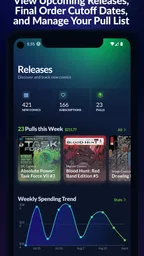
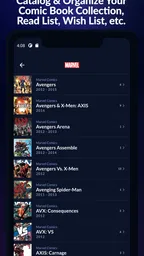
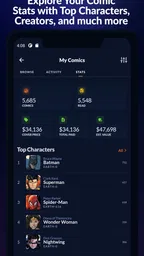
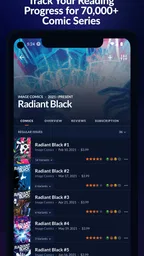
Comic catalogs can become hard to manage once a reader follows more than a couple of series. New issues arrive, titles change, and a character may appear across several books. The app’s focus on upcoming releases and collection management addresses that specific problem: it gives me a way to connect what I am interested in with what I own or hope to collect.
I would use it as a planning aid before visiting a comic shop. Rather than trying to recall every series while browsing, I can check my interests and pull-list plans, then make a more deliberate decision about what I want to pick up. That is especially helpful when I am following a mix of monthly titles and limited runs, where it is easy to lose track of a series between issues.
The key distinction is that a pull list is about intention, while a collection is about ownership. Keeping those ideas separate is useful: a book I plan to buy should not automatically count as one I already have. I recommend treating the app as a working record and updating it as purchases happen. If I only enter items occasionally, the list can drift out of date and become less dependable when I need it.
League of Comic Geeks is rated 4.7 on average from around 2.8 thousand ratings, with 389 written reviews. It has over 100 thousand installs, which suggests that it has found an audience among readers who want more structure than a basic notes app can provide. Those figures are a helpful signal of interest, though they do not tell me whether its catalog or workflow will suit every collector.
For discovery, the app’s release-centered purpose is a better fit than a general reading log. I can think about what is coming next, rather than only recording what I finished. That changes how I would use it: I would check it while planning a week’s purchases, then revisit my collection after bringing books home. It is a small routine, but it can prevent duplicate buys and make a long-running reading habit easier to maintain.
Readable enough for browsing, but not a reading app
Because the app is organized around comic information, its usefulness depends on being able to scan lists and distinguish one title or issue from another. I would approach it as a reference tool: look for a specific release, check my plans, and move on. That is a more comfortable expectation than treating it like a relaxed reading space where I will spend an entire evening.
Readers who find dense lists tiring may want to keep each visit focused. For instance, checking only the next few releases is likely less demanding than trying to reorganize an entire collection in one sitting. Breaking a large backlog into smaller updates also makes it easier to notice mistakes, such as recording a planned issue as already owned.
The app is free, which makes it easy to try as a companion to an existing collecting routine. I would not expect that to remove the effort involved in maintaining a collection, however. The value comes from the information I put into the process and how consistently I keep it current. If I want a tool that automatically understands every purchase without any checking, this is not the right expectation to bring.
Motor and sensory needs: choose a deliberate workflow
For motor comfort, I would use the app in short, intentional sessions rather than making a large number of collection changes while in a hurry. A quick check of upcoming books is a different task from carefully recording a shelf, and separating those jobs lowers the chance of tapping the wrong entry or losing my place. This is a practical habit, not a claim that the app has a particular accessibility mode.
On a small phone screen, comic titles can be long and similar, especially when several books share a character or subtitle. I would slow down before changing collection status and use the title itself as a second check, rather than relying on a quick glance. That extra moment matters most when I am updating a run of issues at once.
Sensory preferences also shape how useful a catalog feels. Some readers prefer to browse visually; others want a very quiet interface with minimal distractions. I would judge the app by trying the exact task I expect to repeat—such as checking a release or reviewing a pull list—rather than assuming every screen will feel equally easy to use. If bright or information-dense screens are uncomfortable, keeping sessions brief and using the app only for a defined purpose may help, but someone who needs a specific display adjustment should confirm that it works for them before depending on it.
One useful trade-off is that more detailed tracking can bring more information to scan. A bare checklist may be calmer, but it gives less context for planning. Here, the collection and release focus is valuable to readers who want that context; it may feel like unnecessary upkeep to someone who simply wants to remember a handful of books.
Using it at home, in a shop, or between errands
A realistic routine would be to check a forthcoming release while commuting, make a note of the books I intend to collect, and then consult that plan at the shop. After I get home, I can update the collection so the next visit starts from a more accurate record. The app’s role is not to make the buying decision for me; it is to keep the decision from getting lost between places and days.
That routine also shows when access can be inconvenient. In a crowded shop, I may have little time or space to inspect a long list, so I would prepare beforehand rather than depend on careful data entry at the counter. At home, where I can take a moment to check a title, updating ownership is less rushed. Readers with limited time or dexterity may find this split helpful: browse and plan in one session, then do detailed maintenance later.
It is also a better fit for readers who enjoy following ongoing publication than for someone who buys comics only occasionally. If I pick up a graphic novel now and then, a simple note or a general library tracker may be enough. The more my reading depends on upcoming issues and a growing list of series, the more the app’s specialist focus earns its place.
Compared with a spreadsheet, the advantage is having a comic-oriented place to browse and organize rather than building every field and list myself. A spreadsheet can be more flexible for unusual collecting rules, personal notes, or complex shelving systems, but it asks me to maintain that structure. Compared with a basic notes app, this one is more tailored to release tracking and collection habits; notes remain simpler when my needs are minimal. Neither alternative is automatically better—the right choice depends on whether I value a purpose-built comic workflow or complete control over a homemade system.
Where the experience can still fall short
The main limitation is the work of keeping a collection accurate. A list is only useful if I remember to maintain it, and the longer I leave updates, the more checking I may have to do. I would start with the series I actively follow instead of attempting to catalog every book I have ever owned. That gives the app an immediate job and avoids turning setup into a project that I abandon before it becomes useful.
Another possible friction is that a collector’s habits are personal. Some people organize by series, others by character, publisher, format, or reading order. A dedicated comics app has to make its own choices about how information is presented, while a spreadsheet can be shaped around an individual system. If my collection rules are unusually specific, I would test whether the app’s way of organizing titles matches the decisions I actually make.
The app is rated for Teen audiences, so it is intended for that age range and older. That is useful context for families deciding whether it is appropriate, but it is not a promise that every comic discussed will suit every reader. I would still make content choices title by title, especially when a younger reader is using the app to explore new series.
Its current version is 3.4.5, and it requires Android 7.0 or later. Those details make it easier to check basic device compatibility before installing. The developer, League of Comic Geeks, has built the app around comic collecting rather than trying to serve as a broad entertainment platform. That focus is its strength, but it also means readers seeking a place to buy or read digital issues should look for a different kind of service.
Who I would recommend it to
I would recommend League of Comic Geeks to someone who follows several comic releases and wants to keep planned purchases separate from books already on the shelf. It is particularly useful if I often forget where a series stands, want to prepare before a shop visit, or enjoy having a record of a collection that is getting harder to manage by memory alone.
I would be more cautious about recommending it to a casual reader with only a few books to track, or to someone who needs a highly customized catalog. In those cases, the effort of maintaining a specialist app may outweigh the benefit. I would also skip it if my priority is reading comics on my phone: its value here is in organizing and keeping up with the hobby, not replacing comic-book reading.
As an app in the comics category, it fills a concrete gap between a casual reminder and a fully self-built collection database. Its free price lowers the barrier to testing that workflow, while the app’s specialist scope makes the decision clearer: it works best when I want to plan around releases and keep a collection record current. I would begin with one or two active series, try the shop-planning routine, and expand only if the habit genuinely saves me time.
For readers with different abilities or changing circumstances, that focused approach is also the most realistic way to judge it. Use it for the tasks it handles well, keep updates manageable, and decide whether its list-based workflow feels comfortable on your device. My inclusive verdict is that it can make comic collecting easier to navigate, but it is not a universal solution: the best experience comes to readers whose needs match release tracking and collection organization, and who are comfortable maintaining their own records.
What we like
- Personalized lists make it easy to track comics you want to read.
- Release calendars help readers keep up with upcoming issues.
- Community features offer a place to discuss comics with other fans.
- Comic databases cover a broad range of publishers and series.
- Reading progress tools help organize a growing collection.
What could be better
- Some features may require an account to use fully.
- The large catalog can feel overwhelming to new users.
- Catalog details may be incomplete for certain editions.
- Community content quality can vary between discussions.
- Frequent notifications may need adjustment in settings.





