




WellDiver review
 Analysis by Appsdrops
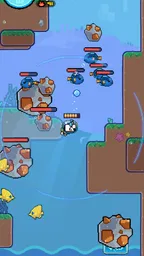
I’m usually cautious about survival games that promise an extreme challenge, because the genre can turn into a blur of frantic action without giving me a good reason to try again. WellDiver is most appealing when I think of it as a compact adventure built around a simple question: can I keep pushing through danger in the ocean, learn from what went wrong, and make a better attempt next time? That action-and-reset rhythm is the part I’d want to judge first, rather than expecting a sprawling story or a leisurely exploration game.
From the first dive to the first setback
WellDiver is a free adventure game from LoadComplete, with the ocean setting putting survival at the center of its identity. The basic premise gives a new player a clear starting point: head into a threatening environment and try to get out. I like that kind of immediate goal. It is easier to settle into than an adventure that spends a long time explaining its world before letting me act.
The first useful question is not whether every move is perfect, but whether the game makes the consequences of a decision understandable. In an action-focused survival game, a failed attempt is worthwhile only if I can connect it to something I did: moving too aggressively, misjudging a threat, or staying in a dangerous situation longer than I should have. When that connection is clear, restarting feels like a chance to improve. When it is muddy, difficulty can feel arbitrary.
That distinction matters especially for players who are new to survival action. I’d approach the opening cautiously, treating each encounter as a chance to learn the game’s pace instead of trying to rush toward the escape objective. If an early run ends quickly, it is more useful to notice what caused the trouble than to repeat the same approach at full speed. That is a practical way to get more from a game whose appeal rests on danger and persistence.
The premise also sets expectations for the mood. This is not the sort of adventure I’d pick when I want a calm underwater sightseeing trip. The ocean is framed as something to conquer and escape, so tension is part of the appeal. Players who want measured exploration, a gentle story, or a forgiving pace may be happier with a different kind of underwater game.
How the action earns another attempt
The most important rhythm in a survival game is the feedback between action and consequence. I want to understand whether a risky move helped me make progress or simply made the situation worse. WellDiver’s central hook gives that rhythm a natural focus: every attempt is oriented toward getting through the ocean and reaching safety. The goal is easy to remember even when the details of a run become hectic.
A useful habit is to change one thing after a setback rather than trying to overhaul everything at once. If a route or decision seems to leave me exposed, I’d adjust that choice on the next attempt and see whether the run feels more controlled. This is not a claim about a particular upgrade or hidden mechanic; it is a way to make the game’s survival challenge easier to read. Small, deliberate changes help separate learning from simply hoping for a better result.
That approach is also why I would not judge a session only by whether I escaped. In a repeat-attempt game, a run can be informative even when it ends short of the goal. Did I last longer because I avoided an unnecessary risk? Did I understand a threat sooner? Did I make a more deliberate decision under pressure? Those are meaningful signs of progress, provided the game communicates the consequences clearly enough for me to notice them.
For a short everyday session, I’d play with a specific intention: try to make one safer decision than last time, then stop and decide whether I want another run. That works better than opening the game without a plan and letting frustration dictate the pace. It is especially useful on a phone, where an interrupted session is a normal possibility. A clear personal goal makes a brief attempt feel purposeful even if I need to put the device away soon afterward.
What the reward loop should feel like
The reward in this kind of game does not have to be a pile of collectibles or a long list of unlocks. For me, the most satisfying reward is a run that feels more controlled because I have learned how the danger works. Reaching farther, making a better decision, or simply understanding why a previous attempt failed can give the next session a reason to exist. That is a more durable motivation than chasing progress without knowing what it means.
There is a trade-off, though. Players who need frequent, visible rewards may find a survival loop less compelling if improvement feels subtle. The game’s premise makes repeated attempts an obvious part of the experience, but that does not mean every player will enjoy repeating a challenge. If I find myself starting again without a clearer idea of what I’m trying to do differently, I’d take a break rather than grind through frustration.
WellDiver’s current version is 0.14.0, and the game has an average rating of 4.3 from around 8,800 ratings, alongside 316 written reviews. It has over 100,000 installs. Those figures suggest that it has found an audience, but they do not tell me whether its specific rhythm will suit you. I’d put more weight on whether you enjoy learning through risky attempts than on popularity alone.
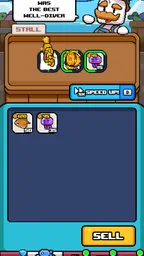
It is free to install, while in-app purchases range from $0.99 to $99.99 per item. That is a wide range, so I’d be deliberate about any purchase rather than treating spending as a shortcut to a better experience. A sensible first step is to try the game without paying and see whether its action, difficulty, and retry loop are enjoyable on their own. If a game only becomes satisfying after spending, that is a poor fit for someone looking for a straightforward free diversion.
When a session ends, and why to return
Resetting is the hinge of the experience. The end of an attempt can either feel like a clean invitation to try a smarter approach or like lost time. I prefer games that make it easy to carry a lesson forward, even if the next run is still dangerous. With WellDiver, I’d decide before restarting what I want to test: a more cautious approach, a different response to danger, or simply whether I can stay composed for longer.
That makes the game a better fit for focused bursts than for a background activity that I barely pay attention to. If I’m waiting for a friend or have a few minutes between errands, I can use one attempt to work on a concrete decision and then leave. On the other hand, if I’m looking for something to play while distracted by messages or conversation, an intense survival challenge may demand more attention than I want to give it.
Another practical consideration is compatibility. The listed minimum operating-system requirement is version 8.0, and the age rating is Everyone. That makes the stated audience broad, but an all-ages rating does not mean the game’s pressure will appeal equally to every player. I would still choose it based on the person’s interest in action and repeated attempts, not simply because the age label is inclusive.
The release date is Aug 3, 2026, so anyone deciding whether to install it should keep in mind that it is a relatively recent release. I would be open to changes in how the game feels as it develops, without assuming that a particular feature or update is already present. For now, the best way to judge it is to focus on its established identity as an ocean survival adventure and see whether its basic challenge holds your attention.
Who will enjoy this particular kind of adventure
I’d recommend WellDiver to players who like a direct objective, danger that asks them to make decisions, and the satisfaction of returning with a better plan. It may also suit someone who enjoys comparing attempts mentally: not necessarily chasing a score, but noticing whether they handled a situation more thoughtfully. That small act of reflection is what can turn a simple restart into a worthwhile new session.
I would steer away from it if you want a large, story-heavy campaign, relaxed exploration, or a game that makes every session feel like clear forward progress. It is also a questionable choice for anyone who dislikes repeating a challenge after failure. Survival games often ask players to accept setbacks as part of the loop, and that can feel energizing to one person and exhausting to another.
Compared with the usual alternatives in adventure games, WellDiver’s identity is narrower and more immediate. A story-led adventure tends to reward curiosity about characters and plot; a broad exploration game rewards wandering; a survival action game asks whether I can respond well enough to escape danger. I’d choose this one when I want the last kind of tension, not when I’m in the mood to take my time and inspect every corner of a world.
My verdict on the repeat-play loop
What makes WellDiver worth considering is the clean shape of its challenge: act, read the outcome, take what you learned, and decide whether another attempt sounds appealing. That cycle can be satisfying when I stay curious about my mistakes instead of treating each setback as a verdict on my skill. Its ocean-survival premise gives the loop a clear purpose, while its free entry point makes it easy to test whether the pressure feels exciting or tiring.
My recommendation is to try it in short, intentional sessions and give each restart a reason. Don’t spend simply because you feel stuck, and don’t expect a calm exploration game to emerge from an action-first premise. If the idea of earning a better attempt through observation sounds fun, WellDiver is a sensible adventure to sample. If you want a gentle journey or dislike resetting, I’d look elsewhere rather than force myself through a loop that is built around trying again.
What we like
- Offers guided breathing exercises for everyday stress relief.
- Sessions can fit into short breaks throughout the day.
- Simple routines make it approachable for beginners.
- Progress tracking can help users build a regular practice.
- Useful for people seeking a focused wellness tool.
What could be better
- Benefits depend on consistent use over time.
- Guided exercises may not suit every breathing preference.
- Some features may require an account or subscription.
- It is not a substitute for professional medical care.
- Exercise quality can depend on your device's audio setup.







