




FPS Strike Ops : Modern Arena review
 Analysis by Appsdrops
I can see the appeal of FPS Strike Ops: Modern Arena arriving in a spare moment: it is an online team shooter built around quick PvP matches, so the idea is easy to grasp even if you have never played it before. My first impression is that it is aimed at people who want the immediacy of a phone-based firefight rather than a story-heavy adventure. The question that matters after the first burst of excitement, though, is whether its competitive loop feels worth returning to once the novelty wears off.
It is a free adventure game from FPS Shooter & Action Game, with a Teen content rating. Its 4.5 average from around 403,000 ratings and more than 100 million installs suggest that it has reached a large audience, though neither figure tells me whether its particular style will suit your habits. The current version is 2.0.11. I would treat that as useful context when checking compatibility and updates, not as proof that every device or connection will deliver the same experience.
Why the first matches can hook you
The strongest first-week appeal is the simple promise of competing with and against other players. Unlike a solo shooter, where opponents follow predictable patterns, a multiplayer PvP shooter asks you to respond to people who may move, aim, and make decisions differently each time. That uncertainty can make a short session feel lively. If you have ten minutes between errands or want a quick action break after work, the format is easier to approach than committing to a long campaign.
I would start by treating the opening sessions as a test of fit rather than a race to master everything. Pay attention to whether aiming feels comfortable on your screen, whether you can follow the action without feeling overwhelmed, and whether losing still leaves you curious to try again. Those signals matter more than a strong first win. A shooter can be exciting for a few rounds but tiring if its controls or pace do not match the way you like to play on a phone.
The online team element also changes how I think about each match. You are not just chasing personal performance; your choices can affect the group’s chances. A practical early habit is to watch where teammates are moving before charging into a fight. Staying near the action without rushing blindly can give you a clearer sense of how the team is playing, and it is a sensible approach for newcomers who are still learning the rhythm.
Because it is a shooter, your enjoyment will depend on comfort as much as on the basic concept. I would try it in a setting where you can hold the device securely and focus on the screen. If you are walking, sharing attention with another task, or playing in a noisy place where you cannot concentrate, a competitive match may feel more frustrating than relaxing. The game is best approached as active play, not background entertainment.
Make the first week a fair test
Rather than judging the game after one match, I would play a few sessions at different times and notice whether the experience stays enjoyable when you are not already in the mood for a shooter. A good test is to stop after a match that goes badly and ask whether you still want another round for a specific reason: to improve your aim, coordinate better, or simply enjoy the contest. If the only motivation is frustration at a loss, that is a warning sign about how the loop may feel over time.
Also be deliberate about your spending. The game is free to download, but it offers in-app purchases ranging from $0.99 to $99.99 per item. I would set a personal limit before browsing purchase options, especially if you are only trying it out. A free starting point makes it low-risk to see whether you enjoy the core experience, but it does not mean every optional purchase is necessary or good value for you.
What gives it value beyond the novelty
For me, a multiplayer shooter earns a regular place on a phone when it can fit into a repeatable routine. The most realistic use case is a short, planned session: play a few matches during a break, then put the phone away. That gives you the social and competitive energy without letting a string of close losses turn a quick distraction into an hour you had not intended to spend. If you enjoy testing yourself against other people, that repeatable burst of play is the clearest reason to return.
Its team focus gives it a different feel from a purely solo action game. A solo alternative is usually better when you want uninterrupted progress at your own pace, while a PvP match is more appealing when you want opponents who can surprise you. The trade-off is that online play makes your session depend on other players and the quality of your connection. If you want a game that pauses easily or works as a calm, offline pastime, this is not the category I would choose first.
One useful way to avoid turning the game into a chore is to choose a purpose for each session. You might focus on reading the flow of fights one day and on staying aware of teammates another time. That small change makes a loss more informative and a win less like the only measure of success. It also helps you decide whether you enjoy the act of improving, which is a better sign of lasting value than simply enjoying the initial novelty.
I would be cautious about expecting deep long-term progression or a particular collection of modes from the short premise alone. What is clear is the central draw: realistic-looking 3D team shooting in online PvP. That is enough to evaluate whether the immediate competition appeals to you, but it is not a reason to assume that every match will feel fresh. If you need a strong narrative, a carefully paced campaign, or a broad variety of activities to stay engaged, a more story-led adventure or a different shooter may be a better match.
Keep the habit enjoyable, not obligatory
A practical routine is to decide when you will play and how long you want the session to last before opening the game. That is especially helpful with competitive titles, where a close defeat can make “one more match” feel irresistible. I find it healthier to stop at a planned point rather than wait until I feel annoyed or tired. If the game is still enjoyable within that boundary, it has a better chance of earning a lasting spot in your routine.
For players who like improving through repetition, the same basic match format can be a benefit: you can return to familiar kinds of pressure and notice how your decisions change. For players who need constant novelty, however, repetition can become the very thing that wears thin. That difference is personal, so I would use the first several sessions to notice whether you are curious about playing better or merely hoping the next match will be more exciting.
What may wear thin over time
The main source of fatigue is built into the format: online competition is less predictable than a scripted experience, but it can also be less relaxing. A tough match, an uneven team effort, or a run of disappointing results can make the game feel demanding. I would not use it as my default choice when I want to unwind without thinking. A slower single-player game is a better fit for that mood, while this one makes more sense when you actively want a contest.
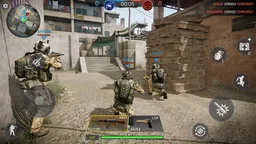
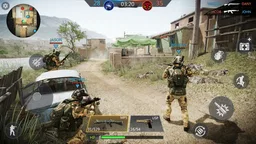
Another potential friction point is the phone itself. A fast shooter asks you to keep your attention on a relatively small screen and use touch controls while tracking several moving players. If you often find mobile aiming uncomfortable, that is not a minor detail; it can shape every match. Give yourself a few sessions to adjust, but do not assume practice will make the format enjoyable if you consistently struggle to see or control the action.
Connection quality is worth considering before you settle into a competitive routine. Since the game is built around online PvP, a weak or unstable connection can undermine the experience in a way it would not in an offline adventure. I would avoid starting a match when you know your signal is unreliable or when you may need to switch networks. That small bit of planning can prevent a frustrating session and help you judge the game on its actual appeal rather than on an avoidable connection problem.
Purchases can also affect how you feel about returning. With individual items priced from $0.99 to $99.99, the available spending range is broad. I recommend deciding what “free to play” means for you before you begin: perhaps no purchases at all, or only a small amount you are comfortable losing if the game stops holding your interest. That boundary is more useful than making an impulse decision after a satisfying win or a frustrating loss.
Finally, be realistic about what the game is designed to provide. It is for Teen audiences, but it is still a shooter centered on competition. If you are choosing a game for someone younger, or for a player who dislikes combat themes, the age label and genre are worth considering together. And if you strongly prefer offline play, cooperative play without direct competition, or a story that unfolds at your own pace, there are better-fitting alternatives in the wider adventure and shooter landscape.
How to decide whether it deserves a place on your phone
I would keep FPS Strike Ops: Modern Arena installed if I found myself returning because I enjoyed the match-to-match challenge, not because I felt obliged to protect a streak or recover from a loss. A simple check after a week is to ask whether you have a preferred time for playing, whether matches fit comfortably into it, and whether the competition leaves you energized rather than irritated. If the answers are mostly yes, the game has a plausible role as a quick action break.
If you are still undecided, the free entry point makes a short trial reasonable. Try it without spending, play in a stable connection environment, and stop after a planned number of matches. That gives you a fair read on the controls, the online pace, and whether you like team-based PvP. You do not need to turn a popular game into a personal commitment just because many other players have installed it.
My overall view is that this is most convincing for someone who wants compact, competitive shooting sessions and enjoys the unpredictability of human opponents. Its large audience and 4.5 average rating make it easy to see why people try it, but your own comfort with touch controls and online pressure will matter more than popularity. I would recommend giving it a measured try if you want a mobile team shooter; I would skip it if you need offline reliability, a calmer pace, or a story that carries the experience after the novelty of firefights fades.
What we like
- Responsive controls make aiming and movement easy to learn.
- Short matches suit quick gaming sessions.
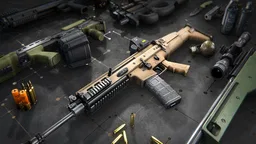
- Several weapons offer different combat styles.
- Multiple maps help keep matches from feeling repetitive.
- Familiar FPS modes are easy for genre fans to pick up.
What could be better
- Online play depends on a stable internet connection.
- Frequent firefights may feel hectic for new players.
- Weapon balance can make some loadouts less appealing.
- Progression may take time before more gear becomes available.
- The action offers limited appeal for players who prefer slower games.







