





Pikmin Bloom: Walking Game review
 Analysis by Appsdrops
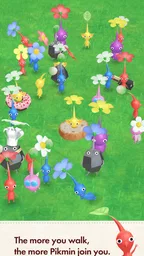
I find Pikmin Bloom works best when I treat it less like a game I need to sit down and play, and more like a gentle reason to make an ordinary walk feel purposeful. It turns time outdoors into gradual progress: I move around, tend to a small collection of Pikmin, and leave flowers along the way. That relaxed rhythm is its main appeal, but it also means the game may feel too passive if you want constant action or a tightly guided adventure.
What the free starting point gives you
The game is free to download, so you can try its walking-focused approach without paying upfront. Scopely Explore, Inc. is the developer. Optional in-app purchases range from $0.99 to $219.99 per item, a broad span that makes it worth checking the price of any specific purchase rather than assuming all extras cost about the same. I see the free entry point as the clearest value: you can decide whether the routine suits you before spending anything.
It is an adventure game built around movement, rather than a conventional adventure with combat, levels, and a sequence of challenges to clear. That distinction matters when comparing it with other mobile games. Its reward is a small layer of discovery attached to places you already go, not a dramatic story or a demanding skill test. The game is rated for Everyone, which suits its gentle tone, though a young player still benefits from an adult helping with safe routes and attention to surroundings.
The audience response is strong: it has a 4.8 average from around 260,000 ratings, and more than five million installs. Those figures suggest that the idea resonates widely, but they do not mean every player will enjoy its pace. I would use them as reassurance that this is an established option in the walking-game niche, not as a promise that it will fit your daily routine.
Value comes from fitting into a walk
What you get for free is most compelling when the app accompanies a walk you would take anyway. A trip to a nearby shop, a stroll after lunch, or the longer route home can become a little more engaging without requiring a separate gaming session. In my view, that is a better measure of its value than asking how much content it offers per hour: the game is designed to make everyday movement feel like part of play.
A useful way to approach it is to start with a route you already know. That lets you see whether checking in with the game feels pleasant or becomes another task competing for attention. I would avoid planning a special outing solely to make progress until I knew I liked the loop. The strongest use case is a low-pressure companion to regular activity, not a reason to walk somewhere inconvenient.
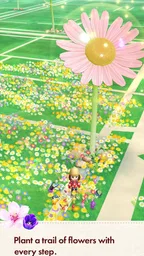
The flower-planting idea gives familiar streets a visible game-like layer. It can make a routine route feel less repetitive, particularly if you enjoy noticing small changes rather than chasing a final objective. There is also a satisfying contrast between the slow pace of walking and the playful world built around it. This is a subtle sort of motivation; it will not necessarily persuade someone who dislikes walking, but it can make a walk feel less like dead time.
Small habits that make the experience smoother
One practical tip is to keep your expectations tied to your normal schedule. If you only open games when you have a long block of free time, this one may seem underwhelming. Instead, I would check it during natural pauses around a walk and let progress accumulate across outings. That approach makes the experience feel integrated rather than like a chore to maintain.
Another useful distinction is between enjoying the walk and optimizing the game. If you focus too much on whether each outing is the ideal route, you risk turning a calm activity into errands for rewards. I would choose a safe, pleasant path first and treat any in-game benefit as a bonus. The game is at its best when it enriches the surroundings, not when it dictates where you must go.
It is also worth deciding in advance whether you want to spend money. Since the game is free to begin and offers purchases from $0.99 to $219.99 per item, the displayed range is unusually wide. I would not assume that paying is required to find out whether the core idea works for you, nor would I treat the highest price as a sensible measure of the game’s overall worth. Before buying anything, ask whether that particular item addresses a frustration you have actually encountered.
Where the trade-offs show up
The main limitation is the same quality that makes the game distinctive: walking is central. If you want a game that delivers substantial play while sitting still, this is the wrong fit. It can also be a poor match if your routine offers few comfortable chances to walk or if you prefer games with clear missions and immediate feedback. A step-based, outdoors-oriented experience cannot make every day equally convenient.
There is a real attention trade-off, too. A phone game should not take focus away from traffic, crossings, or people around you. I would check the screen only when stopped somewhere safe, and keep the walk itself as the priority. That advice is not unique to this game, but it matters particularly here because the real-world setting is part of the appeal.
Compared with location-based games that emphasize competition, collection races, or more urgent objectives, Pikmin Bloom feels gentler and less demanding. That can be a strength for someone who wants a friendly nudge to get outside. It is a weakness for anyone looking for tactical depth, intense sessions, or a strong reason to keep playing once the novelty of attaching rewards to a route wears off. A traditional adventure game is likely a better choice if you want the story and action to happen primarily on screen.
Free access does not remove every possible friction. Optional purchases can complicate the value calculation, especially when individual items span such different prices. I would judge the game first on what it offers without spending, then consider an extra only if I understand what it does and genuinely want it. This keeps a pleasant walking habit from becoming a decision about spending before you have established that the game belongs in your routine.
Who is most likely to enjoy it
I would recommend it to someone who already walks for errands, fresh air, or a break from work and likes having a playful reason to notice the route. It can also suit a casual player who wants a light adventure without needing to master complicated controls. Since it is free to start, curious users can test the idea without making a purchase first; the best test is whether they enjoy opening it during walks over time.
It may be especially appealing if you like slow, collectible progress and do not need every session to end with a major achievement. A short walk can still feel worthwhile because the game’s premise is about carrying activity into the world, not completing one long sitting. For people who find ordinary routes monotonous, that small layer of purpose may be enough to make getting out the door easier.
I would steer away from it if you cannot or do not want to walk regularly, dislike location-oriented play, or want an adventure with a defined plot and frequent action. It is also not ideal for anyone who feels compelled to check a phone while moving through busy places. In those cases, a stationary puzzle or story-driven game offers a better fit, and there is no reason to force a walking game into a routine that does not suit it.
Compatibility and long-term fit
The game’s current version is 157.0, and it requires Android 9 or later. That gives Android users a straightforward compatibility point to check before installing. If your device does not meet that requirement, it is better to confirm compatibility in the app store before planning around the game. The release date was October 27, 2021, so this is not a brand-new experiment; its continuing presence and large audience make it a more established choice than a freshly launched walking title.
As for staying power, I would think of it as a habit companion rather than a game that must constantly surprise me. The key question is whether its gentle rewards continue to make ordinary outings more enjoyable after the first few days. If you like the routine itself, that can be enough. If you need escalating challenges or a strong narrative to keep your interest, its relaxed structure may eventually feel thin.
For families, the Everyone rating is a helpful indication of the intended broad audience, but it does not replace sensible supervision outdoors. I would set expectations around safe walking and screen use, and keep purchases in mind if a child can access them. The game’s friendly presentation may be approachable, yet the real-world context still calls for ordinary care.
My verdict on spending time or money
After weighing the free access against its optional purchases, I think Pikmin Bloom is worth trying if you already have walks in your week and would enjoy a little game layered onto them. I would begin without spending, use a familiar route, and see whether the experience makes that walk more pleasant rather than more complicated. The value is personal and practical: it depends on whether you enjoy this particular blend of movement and gentle play.
I would skip it if you want a full-on adventure that works just as well indoors, or if you are hoping for a game that rewards intense, focused sessions. Its walking-first design is not a minor feature that can be ignored; it is the central bargain. The purchase range also makes it sensible to be selective, not because the game cannot be enjoyed for free, but because paying should reflect a clear personal preference rather than curiosity alone.
Overall, I see it as a charming companion for everyday routes, with a clear audience and equally clear limits. It is free to start, rated for Everyone, and developed by Scopely Explore, Inc.; those facts make it easy to consider, but the deciding factor is your appetite for a slow outdoor routine. If a small dose of playful progress would make you more likely to take a walk, I think it is worth a try. If you want the game to come to you while you stay seated, choose something else.
What we like
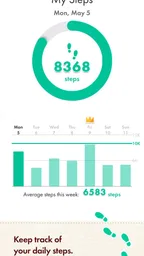
- Daily step goals make walks feel more rewarding.
- Decorating Pikmin add a charming collectible element.
- Postcards let you share memories from places you visit.
- Weekly challenges encourage walking with friends.
- The relaxed pace suits casual play during outdoor strolls.
What could be better
- Location access is needed for many core features.
- Battery use can rise during extended outdoor sessions.
- Progress may feel slow without frequent walks.
- Some Pikmin outfits depend on limited-time events.
- Rural areas may offer fewer places to find seedlings.







