




All Out - Multiplayer Fun! review
 Analysis by Appsdrops
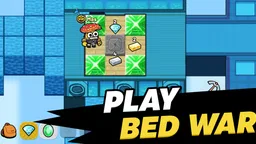
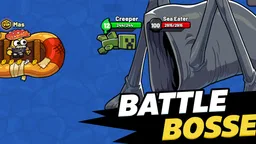
I would treat All Out - Multiplayer Fun! as a small social game hub rather than a single adventure with one fixed story. Its appeal is the chance to jump into different kinds of play with friends, including Fishermon and Bed Wars. That variety changes the recommendation: it makes the game more interesting for a group looking for something to try together, but less compelling for someone who wants one carefully developed campaign to play alone.
My first impression is that the experience is built around shared sessions. Instead of choosing a standalone adventure and settling into it for hours, you can use this game as a place to meet friends and decide what to play. That can be useful after school or during a casual evening when nobody wants to commit to a lengthy game. The trade-off is that the experience depends heavily on whether the available games and your group’s interests line up.
What the multiplayer mix is best suited to
All Out - Multiplayer Fun! is an adventure game from All Out Games. The name and the selection of games point toward a casual, group-first experience rather than a traditional single-player adventure. Fishermon and Bed Wars suggest different moods: one can suit a more relaxed shared session, while the other sounds better for players who want a competitive challenge. I would choose it when the group wants options, not when everyone has already agreed on one specific type of game.
A practical way to use a multi-game hub is to decide on a short plan before starting: pick one game first, then keep a second option in reserve if the group loses interest. That avoids the familiar problem of spending the whole session browsing or debating. With friends who have different tastes, the variety can help; with a group that only wants a particular game, it is worth checking that the available selection actually suits them before making this the default hangout.
The game has a 4.8 average from around 11,000 ratings, and it has been installed over a million times. Those figures indicate a sizable audience and positive overall reception, but they cannot tell me whether a particular mode will suit your friend group or whether its current play experience matches your expectations. I would read the rating as a reason to consider trying it, not as a guarantee that every part of the collection will be equally enjoyable.
It is free to download, with in-app purchases ranging from $0.99 to $99.99 per item. That range matters more than the word “free” alone: the initial download does not cost anything, but purchases can vary substantially in price. I would check each item carefully before buying and avoid treating optional spending as necessary for a good session unless the game itself makes that clear. The available purchase information does not establish what those items contain, so I would not assume they are cosmetics, power-ups, subscriptions, or required access.
Getting a group started without wasting the session
For a casual evening, I would suggest installing the game before inviting everyone to join. That gives each person time to complete any setup and find the same game, rather than making the first part of a shared session a round of troubleshooting. It is also sensible to agree on a spending rule in advance, especially if younger players are involved: free to download does not mean every in-game purchase is free, and the listed item prices span a wide range.
Another useful habit is to treat the first visit as a trial rather than an investment. Try the game with one or two friends, see whether you can quickly settle on an activity, and judge whether the available options hold everyone’s attention. If the group enjoys the social format, it may become a convenient option to revisit. If the appeal fades as soon as the novelty wears off, there is little reason to force it into a regular rotation.
The Teen content rating is relevant for families deciding whether it is appropriate. I would not use that label as a substitute for checking the game directly with the intended player, particularly if the device is shared or purchases are possible. Parents may want to review the available controls on the device and agree on purchase approval before handing it over. That is a sensible precaution for any free-to-download game with paid items, not a claim about a specific feature or policy in this one.
Progress, pacing, and the pressure to keep playing
With a collection of games, progress and motivation may feel different from a single adventure. A player who enjoys mastering one world, following a long plot, or steadily building one character may find the experience less cohesive than a dedicated adventure title. A hub can offer a change of pace, but it can also make it harder to feel invested in any one activity. I would choose it for variety and company, not for a deep narrative arc.
For that reason, I would keep sessions bounded. If your friends have only a short break, choose one activity and stop when the break ends instead of letting the number of options stretch the session. This is particularly useful for younger players who may find it difficult to leave a competitive game mid-session. The game’s details do not establish a particular progression system or a way to remove pressure to continue, so I would avoid assuming that it offers either a long-term grind or a specific system for managing one.
Its release date is October 13, 2024, and the current version is 1.49.10. Those details help identify the version to look for when checking compatibility or discussing the game with friends. They do not tell me how often content changes or what each update includes, so I would judge the experience by what is currently available in the game rather than expecting a particular update schedule.
Fair play and what spending does—and does not—tell you
For a multiplayer game, fairness is a reasonable concern. A paid item can be harmless to competitive balance if it is purely cosmetic, or it can matter more if it changes access or performance. Here, the confirmed purchase range tells me that items can be bought, but it does not identify their contents or how they affect play. I therefore cannot responsibly describe the game as pay-to-win, nor can I promise that purchases have no competitive impact.
My practical advice is to try the free version first and pay attention to what the game presents during play. Before purchasing anything, check the item’s description, whether it is a one-time purchase, and whether it affects the mode your group cares about. If a friend spends money, do not assume that everyone else needs to do the same; first see whether the group can enjoy the same session without buying anything. That keeps the decision grounded in what players can actually observe.
Competitive players should be especially cautious about drawing conclusions from the game’s broad multiplayer framing. Fair competition depends on details such as how matches are organized and whether paid items confer an advantage, and those details are not established by the purchase range alone. If balance is the main reason you play, a dedicated competitive title with clearly explained rules and purchases may be a safer fit. If you mainly want informal matches with friends, the uncertainty may matter less, provided everyone is comfortable trying it without spending.
Where it fits among other mobile games
Compared with a single-mode adventure, this game’s strongest potential advantage is the ability to switch between different activities without moving to another title. That is handy when a group cannot agree on one style of play. Compared with a focused multiplayer game, however, a multi-game collection may feel less consistent: players who want one polished competitive loop or a substantial solo story are usually better served by a title designed around that exact purpose.
It also makes a different kind of recommendation from a casual puzzle game. Puzzles can work well for short solo breaks, while this game’s advertised appeal is social play with friends. If you often play alone, or your friends are not available at the same time, the core reason to install it may be weaker. If your group regularly looks for a shared mobile activity, the chance to sample different kinds of games could make it more useful than a single-purpose download.
Device compatibility is another simple check before inviting a group. The minimum operating system is Android 9, so players should confirm that their Android devices meet that requirement before planning a session. The game is listed as free, but each person should still consider available device space and their own comfort with in-app purchases. A group plan only works smoothly when everyone can get into the same experience without last-minute installation or compatibility problems.
What I would check before recommending it to a friend
I would first ask what the group wants from the session. If the answer is “something we can try together and switch up,” this is a plausible fit. If the answer is “a story with a clear ending,” “a carefully balanced ranked game,” or “a solo game for a commute,” I would point them toward a more focused alternative. This distinction is more useful than treating the overall rating as a universal measure of whether the game is right for everyone.
I would also check that friends are comfortable with the Teen rating and with the presence of paid items. The age label is a guide, not a personal suitability decision, and the price range makes it worth discussing purchases before play. For a parent, that means setting expectations with the child and using the device’s purchase safeguards where available. For adult friends, it simply means agreeing that nobody has to buy anything to join in.
The game has 2.2K reviews in addition to its rating count, which gives prospective players more feedback to explore if they want a broader sense of current experiences. I would look for comments that address the specific modes my group wants to play and distinguish recent impressions from older ones. A high average can be encouraging, but the most helpful review for a decision is one that describes a situation similar to yours.
My verdict for players choosing a group game
I see All Out - Multiplayer Fun! as a reasonable free starting point for friends who want to try a selection of multiplayer experiences in one place. Its strongest use case is a relaxed group session where people are open to choosing among options such as Fishermon and Bed Wars. Its weaker case is the player who wants a deep solo adventure, a clearly defined long-term progression path, or confirmed competitive fairness before investing time.
My recommendation is to try it with friends, keep the first session simple, and hold off on purchases until you understand what each item does. The game’s 4.8 average and over a million installs make it easy to see why people might give it a chance, but personal fit depends on the group and on the modes you actually enjoy. Choose it for social variety, not on the assumption that every game in the collection will suit every player. If your friends like changing activities and are happy to test the experience without spending, it is worth a look; if they want a specific, highly focused game, choose that alternative instead.
What we like
- Offers quick rounds that suit short play sessions.
- Simple controls make it easy for newcomers to start playing.
- Multiplayer matches add variety through competition with others.
- Bright visuals make game elements easy to distinguish.
- A range of mini-games keeps the experience from feeling repetitive.
What could be better
- Match quality can depend on the number of active players.
- Online play requires a stable internet connection.
- Some mini-games may feel less engaging after repeated sessions.
- Random matchmaking can create uneven competition.
- Ads or in-app purchases may interrupt the free experience.







