



Zoox review
 Analysis by Appsdrops
I would approach Zoox as a specific way to arrange a robotaxi ride, not as a replacement for every kind of travel app. Its focus is narrow, which can be appealing if you want to try a ride in a Zoox vehicle, but it also means the first question is practical: does this service fit the journey you need to make? I’d install it with a particular trip in mind, then see whether the app can take me from planning to a clear ride request without guesswork.
What to expect from a robotaxi app
Zoox is a free travel app from Zoox, Inc., built around booking rides in the company’s robotaxis. That is a different proposition from a broad ride-hailing app, where the main choice is usually between available drivers, vehicle types, or service tiers. With Zoox, the vehicle concept is central. If you are curious about robotaxis or have a suitable journey in mind, the app gives you a direct way to explore that option.
I would not treat it as a universal transport planner. The usual alternatives—ride-hailing services, taxis, public-transit apps, and walking directions—each solve different problems. A standard car service may be the more sensible choice when you need a conventional driver or a familiar pickup routine. Transit is often better when a trip depends on a route network or when you want to compare several ways to get across town. Zoox makes most sense when you specifically want to consider a robotaxi ride.
The app has an average rating of 4.8 from around 6,100 ratings, with about 1,100 written reviews and over 500,000 installs. Those figures suggest that plenty of people have tried it, but they do not tell me whether a particular ride will suit your location or timing. I would use the app itself to assess whether it works for the trip at hand rather than treating popularity as a promise of availability.
It is rated for Everyone and is free to download. The app was released on August 19, 2025, and its current version is 26.43.402; it requires Android 12 or later. Those details are useful when deciding whether your phone can run it, especially if you are setting it up shortly before heading out. The rating and download price describe the app, not the cost of any ride, so I would check the ride details in the app before making travel plans.
Who is likely to find it useful
Zoox is a natural fit for someone who is curious about autonomous transport and wants to try arranging a robotaxi ride rather than just reading about one. It may also suit a traveler who prefers to make a ride request in an app and is comfortable learning a service that works differently from a conventional taxi. For a first-time user, that curiosity is best paired with a flexible schedule: the goal of an initial trip should be to understand the process, not to rely on an unfamiliar option for a tight connection.
I would skip it as my only transport plan if I needed a guaranteed, familiar way to reach an appointment or catch a connection. I would also choose a different app if my main need were comparing public-transit routes or arranging a conventional driver. That is not a knock on Zoox; it is simply the trade-off of using a focused robotaxi service instead of an all-purpose mobility app.
Set it up around a real trip
For a reassuring first run, I would install Zoox before I needed to leave, open it somewhere calm, and explore the ride-request flow without committing to a journey. This small bit of preparation helps separate two questions that can otherwise get mixed together: whether you can use the app comfortably, and whether the service is a practical option for your trip. It also gives you time to check that your phone meets the Android requirement and that you can sign in or proceed through whatever setup the app presents.
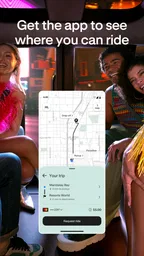
When you first open it, keep your intended pickup and destination in mind. A concrete route makes the choices easier to judge than tapping around without a purpose. If the app indicates that the trip is not workable, you have learned something useful while you still have time to switch to another transport option. If it lets you continue, pause to review the details shown before confirming anything.
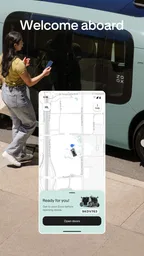
I would avoid assuming that a robotaxi pickup works exactly like meeting a driver at the curb. In any ride app, the pickup point is one of the details that can make a trip feel smooth or confusing; with a service built around a different vehicle experience, it is especially worth reading the in-app directions rather than relying on habit. A useful first-time tip is to check the pickup instructions while you are still indoors, then orient yourself before walking out. That reduces the chance of arriving at the general area but missing the specific place the app expects you to use.
Make the first ride a low-pressure test
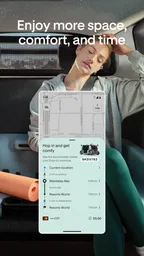
My preferred first meaningful success would be a short, straightforward trip when I am not rushing. For example, if I were heading to a nearby errand and had time to adapt, I would enter the destination, inspect the proposed ride information, and only proceed if the pickup and timing made sense. That gives me a chance to learn the app’s sequence and the feel of a robotaxi journey without putting an important appointment at risk.
This is more useful than treating the first booking as a novelty ride with no practical purpose. A real errand lets you evaluate the details that matter: whether the pickup instructions are easy to follow, whether the trip fits your schedule, and whether the ride experience feels comfortable to you. Afterward, you can decide whether Zoox belongs in your regular travel routine or is better kept as an occasional option.
One subtle but helpful way to plan is to keep a backup in mind even when the app appears to offer a workable ride. Before leaving, know whether you could call a conventional ride, walk to another transport option, or adjust your schedule if needed. That is sensible for any unfamiliar transport service, and particularly so when your first goal is learning rather than depending on a well-established routine. It makes trying Zoox feel like a choice instead of a gamble.
Another practical trade-off is how much flexibility you have at both ends of the trip. A destination that is easy to identify and a pickup area you can reach without difficulty make a better first test than a complicated handoff or a tightly timed transfer. I would save more demanding journeys for after I had used the app at least once and understood how its instructions fit the real world.
Where first-time users can get confused
The biggest source of uncertainty is likely to be expecting the app to behave just like a driver-based service. Familiar ride apps can train us to look for a driver’s name, vehicle details, or a curbside meeting. A robotaxi service has a different premise, so I would follow the guidance displayed in Zoox rather than importing assumptions from another app. If something about the next step is unclear, I would stop and reread the screen instead of making a quick guess about where to go.
A second point to keep straight is the difference between installing the app and having a usable trip. Downloading is free, but that does not mean every journey, time, or location will necessarily fit the service. The safest approach is to enter the trip you actually want and judge the options presented. Avoid building a day around a ride until you have seen that the app can take you through the relevant planning and request steps.
It is also easy to mistake a high average rating for a guarantee that the app will match every traveler’s expectations. Ratings summarize other users’ experiences; they cannot tell you whether you will enjoy a driverless ride, whether the pickup will suit your routine, or whether this is the best mode for a particular errand. I would treat the strong rating as a reason to take a closer look, not as a reason to ignore your own comfort or backup plan.
If you are new to robotaxis, decide in advance what would make you comfortable continuing. For me, that would mean understanding where to go, knowing what action the app expects next, and feeling that I can change plans if the trip does not fit. This is a more useful threshold than trying to appear confident or rushing through the booking flow. A travel app should make the next step understandable; if you feel uncertain, take a moment before you commit.
Choose the right moment to use it again
After the first trip, I would think about the kind of journey for which Zoox earned a place on my phone. Perhaps it worked well for a relaxed local outing, or perhaps I decided that a conventional ride app felt easier for the way I travel. Either result is useful. The best transport choice is the one that suits the trip, not the one that seems newest or most interesting.
For a second attempt, I would change only one thing at a time. If the first experience was confusing at pickup, pay closer attention to the pickup guidance next time. If the route itself was easy but the timing felt tight, choose a more flexible occasion. This simple approach helps identify whether the friction came from unfamiliarity or from a genuine mismatch between the service and your needs, without turning every ride into a complicated experiment.
Zoox runs on Android 12 and newer, so an older Android phone may need a different device or a different way to arrange travel. If you use iOS, check the relevant app store for the current availability and compatibility details before planning around it. Either way, I would make the first check part of trip preparation rather than discovering a device issue at the curb.
My take after weighing the trade-offs
I see Zoox as a worthwhile option for people who want to try robotaxi travel and are willing to plan their first ride with a little care. Its focus makes the idea easy to understand, while the unfamiliar vehicle experience means it is not automatically the right answer for every trip. I especially like the practical approach of starting with a simple errand, reading pickup guidance before heading out, and keeping another way to travel in reserve.
For a first-time user, the path is straightforward: install it ahead of time, test the trip flow with a real destination, confirm that the pickup and timing work for you, and choose a low-pressure ride for the first attempt. If you need a conventional driver, a broad comparison of transport modes, or a dependable plan for a time-critical connection, use the alternative that better matches that need. If you are curious about robotaxis and have room to learn, Zoox is an approachable way to see whether this kind of ride fits your everyday travel.
What we like
- Ride booking and trip details are handled in one app.
- Cashless payments make checkout simple.
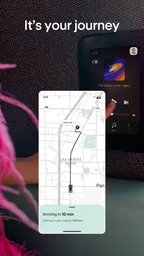
- The interface helps riders follow their vehicle's arrival.
- Shared rides can reduce the cost of a trip.
- In-app support gives riders a place to request help.
What could be better
- Zoox service is available only in select locations.
- Rides may be limited by vehicle supply and operating hours.
- Shared trips can take longer due to additional pickups.
- A compatible phone and internet connection are required.
- Service availability and features may change by market.





