
Upside: Gas & Food Cash Back review
 Analysis by Appsdrops
I see Upside as a practical way to look for extra cash back on purchases I already make, not a reason to spend more or a replacement for a good rewards card. That distinction matters: the app is most appealing when checking it fits naturally into a trip for gas or a meal, and less useful if it turns ordinary errands into a hunt for deals. Its promise is simple, but the value depends on how well its offers line up with your routine.
Where the app fits into everyday spending
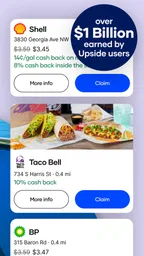
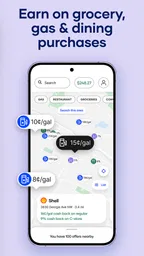
Upside is a free travel and local savings app from Upside Inc. It focuses on cash back tied to everyday purchases, particularly gas and food, and its central appeal is the chance to add an app-based reward to the credit or debit rewards you already earn. In my view, that makes it a companion to your usual payment method rather than a replacement for it.
The distinction is useful when deciding whether to install it. A card rewards program generally works in the background once you pay with the eligible card. Upside asks you to take an extra step: check the app, consider an offer, and follow the relevant process for that purchase. That small bit of attention can be worthwhile, but it is still effort. If you want savings to happen entirely automatically, a card with straightforward rewards may suit you better.
The app has a 4.6 average from around 456,000 ratings, and it has been installed over 10 million times. Those figures suggest that many people find the approach worth trying, though they cannot tell you whether nearby offers match your own habits. I would treat them as a sign of broad interest, not a promise that every user will save consistently.
The strongest case is stacking, not switching
The most sensible way to use Upside is alongside rewards you already understand. If you normally pay with a card that earns cash back or points, an extra offer can make the same purchase more rewarding. I would not change cards or buy something unnecessary just to use the app; the potential benefit is better viewed as an add-on to a purchase you had already planned.
That also shapes how I would compare it with the usual alternatives. A fuel-station loyalty program can be convenient if you repeatedly visit one brand, while a general-purpose rewards card may be easier for spending across many merchants. Upside is more attractive when you are willing to check which participating option fits your route. It is less compelling if your routine is fixed, your preferred stop rarely has an offer, or you dislike making a choice before paying.
A useful habit is to check the app before leaving, not while you are already at the pump or standing in a queue. That gives you time to compare an offer with your normal destination and avoid making a rushed detour. The best deal is not automatically the one that displays the largest apparent reward: extra driving, a longer wait, or buying more than planned can cancel out the appeal.
Small routines make the difference
For a realistic example, imagine I am commuting and already need fuel. I would look at the offers along the route I was going to take, then decide whether one is convenient enough to use. If it is only marginally out of the way, the extra reward may not be worth the time or fuel. If the location is already on my path, checking the offer becomes a low-friction step rather than a separate shopping mission.
The same thinking applies to food. I would use the app when choosing between places I would genuinely consider, not treat an offer as a reason to order a meal I did not want. This is a subtle but important safeguard with any reward program: discounts can encourage spending as easily as they can reduce its cost. I get the most value when the offer influences where I make an existing purchase, not whether I make one.
One practical trade-off is attention. Before relying on an offer, I would read its conditions in the app and make sure I understand what action is required for that particular purchase. A little checking up front is better than assuming that merely opening an offer is enough. Since offers can vary, I would build a quick review into the plan instead of expecting the same option to be available every time.
What can feel less convenient
Upside is not completely passive. You need to remember it, look at the available choices, and make sure you follow the offer’s instructions. That extra step may feel trivial on a planned stop but annoying during a hurried errand. If you value a single predictable rewards system more than the possibility of stacking, a card or loyalty program with fewer decisions may be a better fit.
There is also a location-and-habit issue. An offer has little practical value if it is not near where you travel or does not suit the sort of purchase you were going to make. People who mostly buy fuel at one fixed station, eat at home, or have limited choice along their regular route may find fewer natural opportunities to use the app. I would try it against my real weekly routine rather than judge it by the idea of cash back alone.
Another point worth keeping in mind is that an advertised reward is not the same thing as effortless savings. You still need to weigh convenience, the purchase itself, and any requirements attached to the offer. I would avoid adding a detour solely to chase a small benefit unless I had already decided that the stop made sense. This is not a flaw unique to Upside, but it is central to using this kind of app well.
Who is likely to get the most from it
I would recommend giving Upside a try if you regularly buy gas or food, are comfortable checking offers before a purchase, and already use a rewards card you can keep using. It is especially suitable for someone whose errands involve several possible stops and who can choose a participating location without changing the day’s plan. In that situation, the app’s extra step may be manageable, and stacking can make an ordinary transaction feel more worthwhile.
I would be more cautious if your schedule is rushed, your shopping choices are limited, or you strongly prefer rewards that require no planning. It may also be the wrong tool if you tend to spend more whenever an offer appears. A straightforward card benefit or a loyalty program at a place you already frequent can be simpler, even if it offers less flexibility. For me, the right comparison is not “Which option promises the most?” but “Which one fits my normal spending without creating extra spending or hassle?”
The app is rated for Everyone, and its current version is 26.29.0; it first appeared on April 24, 2016. Those details are useful context, but the day-to-day decision is still personal: do the places and offers shown fit where you actually go? I would use a short trial period to answer that with real errands, then keep it only if checking it becomes a comfortable habit rather than another task to remember.
My verdict after weighing the trade-offs
Upside makes the strongest case for itself as a simple layer on top of existing payment rewards. Its focus on everyday purchases gives it a clear purpose, and the chance to combine an offer with a card reward is more interesting than treating it as a standalone discount destination. I like the idea most when it helps me choose between convenient options I was already considering.
I would not recommend it as a guaranteed source of savings or as a reason to reorganize your spending. Its usefulness depends on location, timing, and your willingness to check the terms and follow the process. That makes it less effortless than a card reward that appears automatically, but potentially more flexible for people who are happy to make a quick comparison before buying.
My bottom line: Upside is worth trying if you can use it without going out of your way. Keep your normal card rewards, check offers before planned gas or food purchases, and skip anything that would add an unnecessary trip or expense. If that routine feels easy and the available choices match your life, it can be a useful extra. If you want rewards with no extra decisions, your existing card or a familiar loyalty program may be the better choice.
What we like
- Cash back offers can help reduce everyday spending.
- The app combines fuel and food deals in one place.
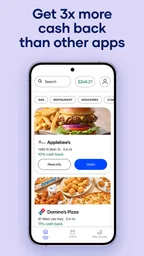
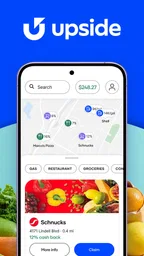
- Nearby offers make it easier to find participating locations.
- Users can browse deals before choosing where to shop.
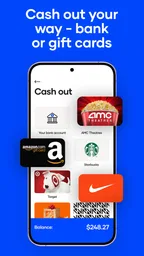
- Cash back rewards can be redeemed for gift cards.
What could be better
- Offers vary by location and may be limited.
- Some deals require activating the offer before purchase.
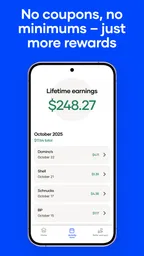
- Cash back may take time to appear in your account.
- Redemption options may not include direct bank transfers.
- Participating merchants may change over time.





