





SIXT rent. share. ride. plus. review
 Analysis by Appsdrops
I would think of SIXT rent. share. ride. as a travel toolbox rather than a car-rental app with a single job. It brings several ways to get around into one place, which is useful when a trip changes from “I need a car for the weekend” to “I just need a ride across town.” My first-time-user advice is to start with one specific journey in mind, compare the available options for that journey, and only then decide whether to book. The app is free to download, but the transport you choose is a separate commitment to check carefully.
One app, several ways to travel
Published by Sixt, this travel and local mobility app combines car rental, car sharing, taxi rides, and car subscriptions. That breadth is its clearest advantage: instead of keeping separate apps in mind for every kind of trip, you can begin in one place and see which type of service fits. It is especially appealing to people who travel often enough to need different solutions, but not always enough to justify owning a car.
That range does not mean every option is equally useful for every person or destination. If you want a traditional rental for a longer journey, rental is the natural starting point. If you need a car only for a shorter outing, car sharing may be worth comparing. A taxi makes more sense when you want a ride without driving, while a subscription is aimed at a different, more ongoing kind of need. I would treat those as distinct choices, not interchangeable labels for the same service.
The app has an average rating of 4.8 from around 114,000 ratings, and it has been installed over five million times. Those figures suggest it has a substantial audience, though they cannot tell you whether a particular vehicle, ride, or booking will suit your plans. It is rated for Everyone, and the current version is 26.44.0-21174. It first appeared in 2010, so this is a long-running product rather than a new experiment.
Choose the journey before choosing the service
For a first visit, I would avoid browsing every mobility option just because it is there. Start with the practical details: where you need to go, when you need to leave, whether you want to drive, and how long you need transport. Those answers quickly narrow the choice. A person with luggage heading out of town has different priorities from someone making a short city trip without wanting to park.
This is also where the app’s breadth can create a little friction. A single interface is convenient, but the services have different purposes and may involve different booking steps. If you move between them too quickly, it is easy to compare unlike things. Decide whether you want to drive yourself or be driven before weighing the options; that simple distinction saves time and makes the results easier to judge.
Getting ready for a first booking
Once installed, I would begin by choosing the service that matches the immediate trip rather than trying to configure everything at once. Follow the prompts shown in the app, and pay attention to the details it asks you to review before proceeding. A smooth first experience depends less on exploring every menu and more on having the key trip information ready: your intended pickup area, timing, destination where relevant, and the kind of transport you actually need.
For a rental or car-sharing journey, think through the whole use of the vehicle, not just the moment you collect it. Consider where you are going, how long you expect to be away, and whether parking or returning the car will be awkward. For a taxi ride, focus on pickup and destination details instead. This mental checklist is useful because a booking that looks convenient at the start can be a poor fit if the end of the journey is inconvenient.
I would also read the booking summary before confirming rather than treating the first attractive option as the final answer. Check the service type, location, timing, and any terms or charges presented in the app. The app can gather choices together, but it cannot decide your priorities for you. For a first-time user, slowing down at this point is reassuring, not fussy.
Your first meaningful success: complete one real trip plan
A useful first session does not have to end in a booking. It can simply be finding a suitable option for a real journey and understanding what you would need to do next. If the details work for you, continue through the booking flow and review the confirmation carefully. If they do not, you have still learned which service is relevant and what needs to change before you commit.
Imagine arriving in a city with a small suitcase and needing to reach a hotel, then visit a nearby area the next day. I would compare a taxi for the immediate transfer with the possibility of using a car for the later outing, rather than assuming one choice should cover both. If you only need the first ride, booking a car for the whole stay may add unnecessary effort. If the next day involves several stops, driving could be more practical, provided the rental or sharing arrangement fits your schedule and parking plans.
That kind of split decision is one of the more useful ways to approach SIXT: pick transport for each leg, not for the trip as a whole. It is a small planning habit, but it helps you use the app’s variety without turning convenience into overbooking. For someone who is new to the service, I would make the first goal modest: arrange the next necessary journey, then explore other options when a genuine need comes up.
Where first-time users can get confused
The main point to keep straight is the difference between renting a car, sharing one, arranging a taxi, and taking out a subscription. They may all solve a transport problem, but they imply different levels of involvement and different trip patterns. A taxi is the straightforward choice when you do not want to drive. A car is more useful when you need control over multiple stops, but it brings the responsibility of handling the vehicle and its return.
Another easy mistake is comparing options by the first figure or label that catches your eye. The full cost and convenience depend on your actual plan, so inspect the details shown for the specific booking. Think about the time you need, the pickup point, where you will finish, and any practical steps required along the way. I would not assume that the cheapest-looking option remains the best once those details are considered.
Availability and suitability can also depend on where and when you are travelling. The fact that several mobility services appear in one app does not mean each one will be the right choice for every place or moment. If you cannot find an option that fits, it is sensible to compare with another transport service or local alternative instead of forcing a poor match. For a trip where a particular vehicle or exact schedule is essential, check the booking details closely before relying on it.
When this app earns a place on your phone
I can see this being most useful for people who mix city travel with occasional longer drives, or who want one familiar starting point for several kinds of transport. It may also suit someone who does not own a car but sometimes needs one for a particular outing. The combination makes it easier to consider a taxi for one leg and a vehicle for another, without assuming that every journey calls for the same solution.
It is less compelling if you almost always use public transport, already have a preferred local taxi app, or need a vehicle only through a provider with a better fit for your location and plans. A specialist rental service may be easier if your only goal is a specific kind of longer booking; a dedicated ride service may be simpler for frequent short trips. I would keep SIXT as an option, not treat it as a reason to stop comparing.
The app is free, which makes trying it a low-commitment way to see whether its selection is useful for your travel habits. The actual services are not made free by the download, so check the individual booking terms and costs before confirming. That distinction matters particularly for a first booking, when it is tempting to equate an easy sign-up with an inexpensive journey.
Make the next trip easier, not more complicated
After your first successful plan, the best next step is to notice which part of the experience genuinely helped. Was it having a taxi and car option in one app? Did you need a vehicle for a multi-stop day, or only a ride to one destination? Answering that will help you return to the right service instead of starting from scratch every time.
I would also build a quick pre-booking routine: confirm the service type, check the trip’s timing and locations, review the displayed terms, and make sure the arrangement still suits the whole journey. That is more valuable than exploring features you do not yet need. When plans change, return to the relevant booking details and reassess rather than assuming a different service can be substituted without checking its own conditions.
Overall, SIXT rent. share. ride. is a practical choice when your transport needs vary and you appreciate having several mobility options under one roof. Its strongest feature is that flexibility; its main trade-off is that you still need to understand which service fits and examine each booking on its own terms. I would recommend it to a first-time user who has a clear upcoming journey and is willing to compare options carefully. If you want one simple solution for every trip, or a service tailored to a single transport habit, another app may suit you better.
What we like
- Booking a rental car is straightforward through the app.
- A wide range of vehicle types suits different travel needs.
- Digital access can make collecting a rental car more convenient.
- The app supports car sharing for shorter trips.
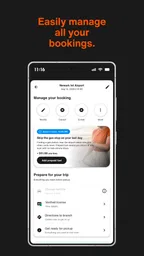
- Trip details are easy to review in one place.
What could be better
- Availability and prices vary by location and date.
- Some rentals require a substantial security deposit.
- Car-sharing coverage may be limited outside major areas.
- Extra fees can make the final price higher than expected.
- Using location features can affect phone battery life.





